Uzbekistan

Dominated by the Qizilqum desert, Uzbekistan is Central Asia’s most populous country.  About 80 percent of the country is flat desert, with mountain ranges rising in the far southeast and northeast.  The world’s largest open-pit gold mine is at Muruntau in the Qizilqum desert.
The oldest cities of Uzbekistan are more than 2,750 years old, and the most famous of them – Samarkand, is one of the oldest cities in the world.
Uzbekistan, along with Liechtenstein, is one of the only two doubly landlocked countries in the world.
Tashkent, the capital, has a metro station featuring chandeliers, marble pillars and ceilings, granite, and engraved metal. It has been called one of the most beautiful train stations in the world.  Along with Tashkent, some of the key highlights of Uzbekistan include The Ark at Bukhara (a royal town within a town dating back to the 5th century), the turquoise-tiled Kalta Minor Minaret, the desert citadels of Khorezm and Samarkand’s Registan Square, one of the world’s great architectural feats.
Under Soviet rule there was intensive production of cotton and grain leading to overuse of agrochemicals and depleted water supplies.  The land has been left degraded and the Aral Sea and certain rivers half dry.  Since it’s independence in 1991 the country is seeking to gradually lessen it’s dependency on cotton, while developing mineral and petroleum reserves.
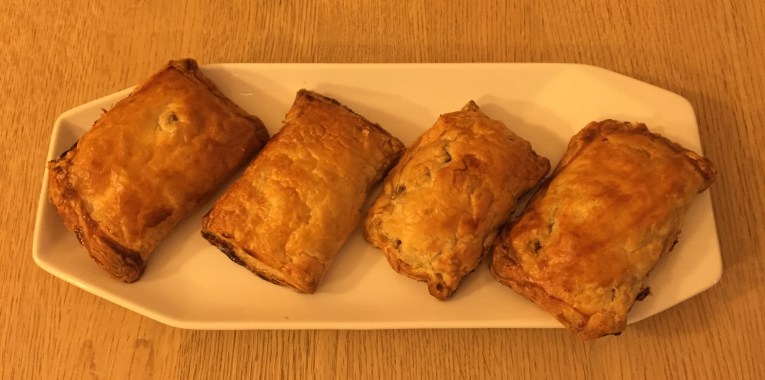
Bread and noodles are of significant importance in the cuisine of Uzbekistan, thanks to much grain farming.  Mutton is the most popular meat choice due to a large sheep population.  Recipes I came across include Plov (pilaf of rice, meat, carrots & onions), shorpa (soup of mutton & vegetables), dimlama (stew) and manty (dumplings).  I opted to cook Samsas (savoury filled pastry, similar to samosas).
Rating: 7/10 – even though I thought I’d filled them well, I might be tempted to make less and fill them more!
Makes 8 small samsas
Prep time: 30 minutes
Cook time: 30 minutes
225g ground meat (I used ground lamb, but you can use a mixture of beef & lamb)
1 medium sized onion, chopped
2 cloves of garlic, chopped
1 tbsp ground cumin
1/2 tsp cumin seeds
1 tsp coriander
1/2 tsp salt
1 sheet of ready rolled puff pastry dough
1 egg yolk
1 tablespoon olive oil
In a medium frying pan, cook the onion and garlic with 1 tablespoon of olive oil on a low heat until the onion is soft.
Add the ground meat to the frying pan, and cook the meat until browned about 5 minutes and take it off the heat.
Add the coriander, salt, ground cumin, and rub the cumin seeds between your fingers.
Let the meat & spices cool for 30 minutes (or more) before forming the samsas.
Preheat the oven to 200 degrees.
Line a baking sheet with parchment paper.
Roll the puff pastry so it is slightly thinner and cut into 8 equally sized pieces.
Mix the egg yolk with a few drops of water in a bowl.
Divide the meat into 8 portions.
Put one portion of the meat onto half of each piece of pastry. Brush the edges with the beaten egg mix.
Fold the dough in half and push the ends of the dough together to close the pastry.
Coat the tops of the pastry with beaten egg mix.
Cook for about 25-30 minutes until the dough is brown.
Let them cool a little and serve warm.

South Africa

The Republic of South Africa is Africa’s largest and most developed economy.  It’s main exports are gold, diamonds, metals, minerals, cars & machinery.  It is an extremely diverse nation, home to hippos, penguins, zebras, dolphins and of course ‘the big five’ (African lion, African elephant, Cape buffalo, African leopard, and White/Black rhinoceros).  It hosts four of the seven fastest mammals in the world, namely the wildebeest, the African lion, the springbok and the cheetah.
A turbulent political history, dominated by apartheid from 1948 to 1994.  Racial segregation had been in place for centuries but a new policy, started in 1948 made it stricter and more systematic.  The people of South Africa were divided by their race and were forced by law to live apart from each other.  In 1990 President Frederik Willem de Klerk began negotiations to end apartheid.  The multi-racial democratic elections in 1994 were won by the African National Congress, led by Nelson Mandela and he became the first President of South Africa and also the first black president.   Nelson Mandela won the Nobel Peace Prize for his leadership of anti-apartheid activism in 1993.  The apartheid system was banned in 1994.
There are many inviting tourist highlights for visitors to South Africa; The Cape of Good Hope, Table Mountain, Kruger National Park, The Garden Route, Cape Town, Johannesburg to name a few!
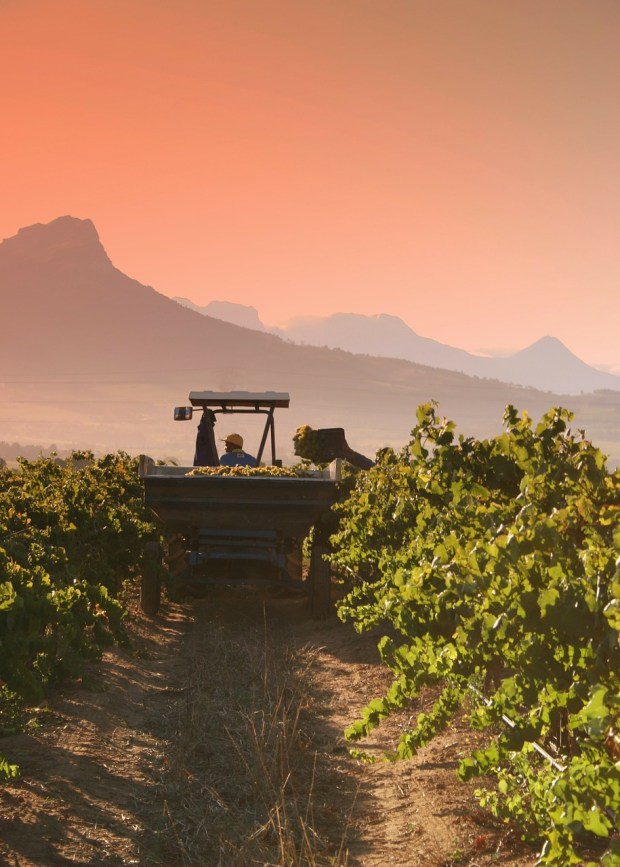
South Africa’s Garden Route is the longest stretching wine route in the world.  Route 62 is 850 km long from Cape Town to Port Elizabeth.  There are over 560 wineries in the Cape area.
It also has the highest commercial bungee jumping bridge in the world at Bloukrans, which is 216 metres long.  It’ll set you back £39.50 for the privilege.
When it comes to the food, again it is very diverse with influences from the Dutch, French, Indians and Malaysians.  Some of the recipes I came across were
Bobotie (meatloaf with egg based topping), Chicken Curry Potjie, Buttermilk pudding and Koeksisters (sweet twisted pastries).  I decided to cook Sosaties (grilled lamb kebabs).
Rating: 8/10.
Prep time: 40 minutes + 24 hours marinating time
Cook time: 15 – 20 minutes
Sosaties:
500g trimmed lamb leg cut into chunks
200g dried apricots
8 metal or wooden skewers
Sosatie Marinade:
1 tbsp apricot jam
2 tbsp soft brown sugar
1 tbsp crushed garlic
6 cloves
3 bay leaves
2 tbsp curry powder
2 tbsp malt vinegar
2 tsp salt
1 tsp ground black pepper
1 tsp fresh ginger
2 tsp turmeric
2 tsp ground cumin
2 tsp ground coriander
1/4 cup water
Place all the marinade ingredients in a bowl and mix well together.
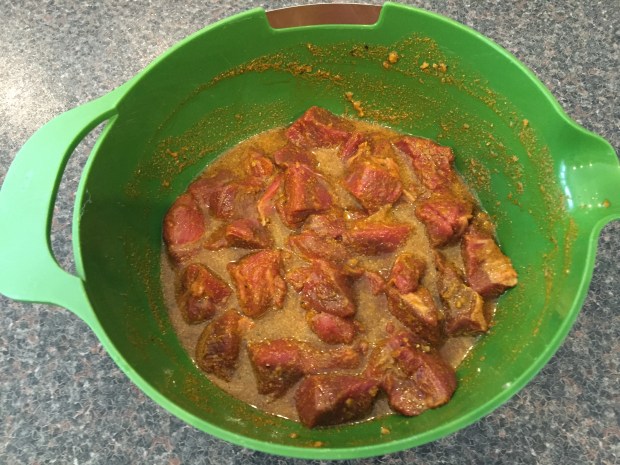
Add the lamb to the marinade and mix well.
Cover and leave in the fridge for 24 hours (or more). Stir the lamb 3 or 4 times during the marinating process.
If using wooden skewers, soak in water for a couple of hours before using.
Soak the apricots in warm water until they plump up.
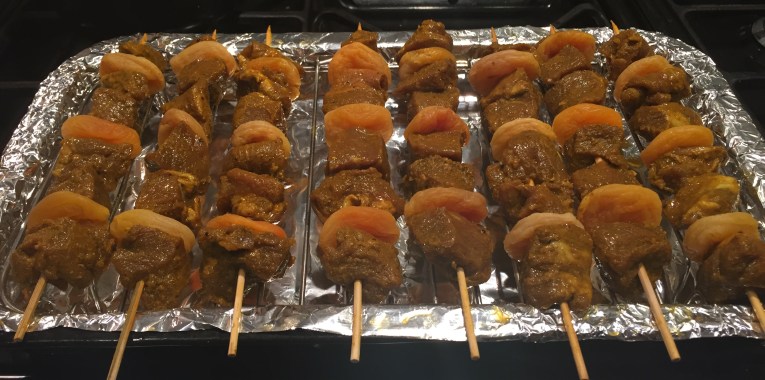
Remove the lamb from the bowl and thread it on to the skewers alternating pieces of lamb and apricots.
Reserve the marinade.
Preheat the grill or BBQ and cook the sosaties for 10 – 15 minutes, turning regularly so they don’t burn.
Meanwhile pour the marinade into a saucepan and heat until almost boiling.
When serving pour the hot marinade over the sosaties and serve.
IMG_7738
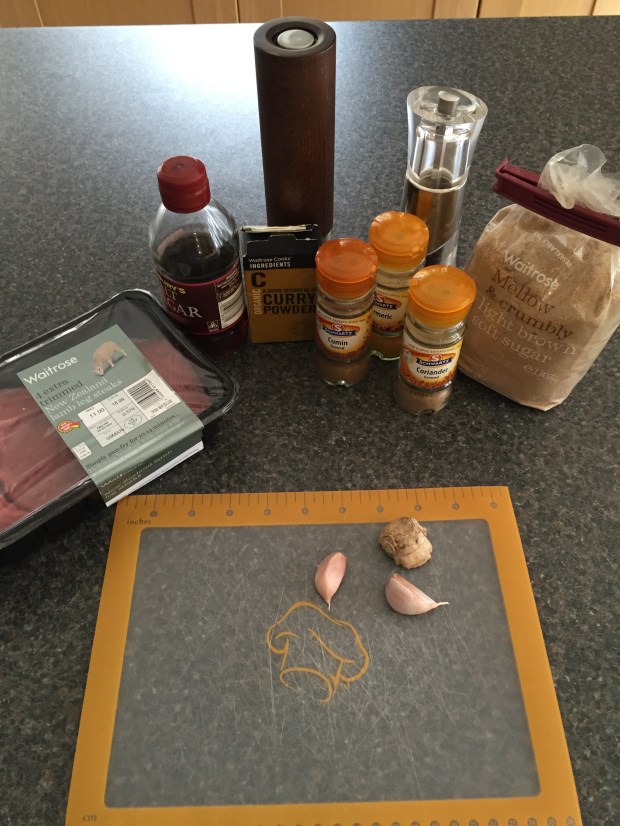
Sosatie ingredients
IMG_7740
Lamb marinating in sosatie marinade
IMG_7823
Marinated lamb in sosatie marinade
IMG_7830
Lamb Sosaties
hippo-515027_1280
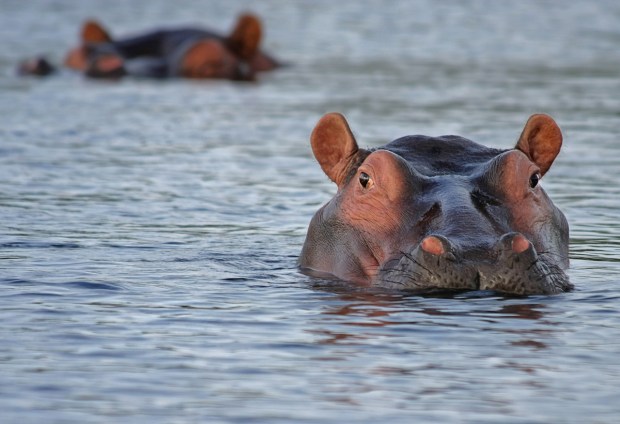
Hippo
cape-of-good-hope-1219192_1280
The Cape of Good Hope
cape-town-997521_1280
Cape Town
chardonnay-227786_1280
Stellenbosch

Lebanon

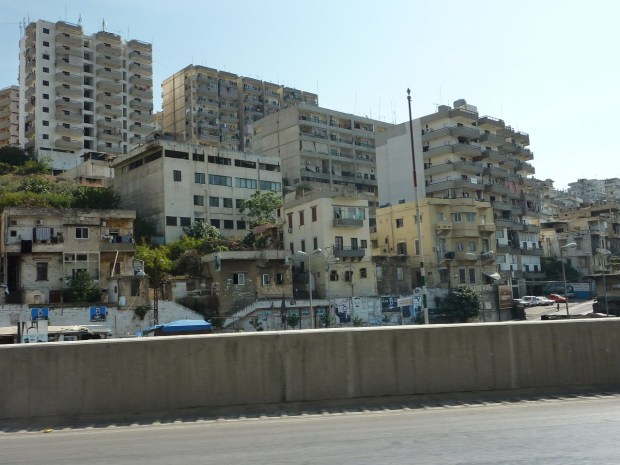
Lebanon, officially the Lebanese Republic is a sovereign state in Asia.  It is bordered by Syria to the north and east and Israel to the south

The earliest evidence of civilisation in Lebanon dates back more than seven thousand years in Byblos, where it is said the first alphabet was created.  The country’s name is known to be the oldest in the world and has remained unchanged for over 4000 years.  There are 4.5 million Lebanese in Lebanon and around 18 million living outside Lebanon.

Lebanon’s recent history is one of conflict and suffering. In 1975 civil war broke out, lasting 16 years, eventually ended by a Syrian backed initiative. During the civil war, in 1982 Israel invaded following PLO attacks. Hezbollah (The Party of God), a pro-Syrian Shia military/political movement, with financial backing from Iran, was formed in the 80s to primarily harass the Israeli occupation. It has significantly grown in strength over the years.  Tensions still continue and Lebanon’s borders with Syria and Israel remain unresolved.

Despite the decades of civil war, invasions and terrorist attacks, it is a country that is home to stunning ancient ruins, beautiful mountain vistas and Mediterranean coastline beaches.  Top things to see according to Trip Advisor include the Temples of Baalbek, National Museum of Beirut and the Crusader Castle in Byblos.

The food of Lebanon is considered some of the Mediterranean’s best food – mezze (small dishes), kibbeh (spiced minced lamb in a fried bulgar wheat shell), dhourba bi kousa (courgette & milk soup), daoud Pasha (meatballs with pine nuts).  I decided to make one of their most famous dishes – tabbouleh (bulgar wheat salad).

Rating: 8/10
Prep time: 15 minutes + 40 min for bulgar to soak
Serves: 2-3

1/2 cup bulgar wheat
1 cup boiling water
220g tomatoes roughly chopped
1/2 medium onion finely sliced
1 tbsp chopped fresh parsley
1 tbsp chopped fresh mint
3 tbsps olive oil
Juice of 1 large lemon
Salt & pepper
1/2 cup black or green olives (optional)

Put the bulgar wheat in a bowl with the boiling water and a little salt. Leave to soak for 40 minutes, then drain.
Take a salad bowl and add the bulgar wheat, tomatoes, onion, parsley & mint. Mix well.
In a separate bowl or jug, beat the oil with the lemon juice and season with salt & pepper.
Pour it over the salad & mix thoroughly.
Put the olives on top and then chill the salad in the fridge for 2 hours.
Add a sprinkling of parsley to garnish and serve.

img_7742
Ingredients for tabbouleh
img_7751
Tabbouleh
baalbeck-710599_1280
Temples of Baalbek
beirut-452164_1280
Beirut

Azerbaijan

South of Russia, Azerbaijan is on the west coast of the Caspian Sea with the Caucasus Mountains in the northwestern border of this republic. The oil rich capital is Baku, with a population of c. 2m. Marco Polo visited Baku in 1264 and witnessed the oil being collected, he said “there is a fountain from which oil springs in great abundance”. Azerbaijan gets its name from Atropates, a Persian nobleman. He ruled over the present-day Azerbaijan. His name evolved over a millennia, and in modern Persian translates to “The Treasury” and “The Treasurer” of fire or “The Land of the Fire”.
Azerbaijan is home to the first known fireplace, discovered in Azikh Cave, the largest cave in Azerbaijan, and also one of the ancient proto-human habitations in human history, that dates back to 700,000 – 500,000 years ago.
In 1879, the Nobel brothers, founders of Nobel Prize, set up their oil company in Azerbaijan; The Nobel Brothers Petroleum country. The Nobel brothers from Sweden acquired much of their wealth from Azerbaijan’s oil industry.
The former world chess champion Garry Kasparov hails from Baku.
Tea is the most popular drink in Azerbaijan. Traditionally served in a pear shaped glass, the drink is often consumed through lumps of sugar or jam, held in the mouth.
A few of the popular dishes in Azerbaijan cuisine include Plov (saffron covered rice), Dolma (minced and spiced lamb wrapped in vine leaves), and Dyushbara (meat dumplings). Also very popular are kebabs, which is what I opted to cook – Lyulya (lamb kebab). There is an Azerbaijan restaurant near Ravencourt Park, where they serve ‘Lulle’ kebab for £9.49.
Rating: 8/10

Prep time: 20 mins
Cook time: 15 mins
Serves 2 as a large starter

220g lamb neck fillet
20g suet
1/2 onion chopped
Salt & pepper

Blend the lamb, suet and onions in food processor. Add salt, pepper and then leave it in the fridge for 30 minutes.
Rinse your hands in salted water, mould into 6 sausages and skewer.
Preheat the grill and cook for 10-15 minutes, turning so they are brown on all sides.
Serve with flatbread and chutneys.

Sweden

Some interesting stats about Sweden:
86% of Swedes live in cities
There are 95,700 lakes in Sweden, making up approx 9% of its total area
The highest & lowest ever recorded temperatures are 38 degrees celsius (Jun) and -53 celsius (Feb)
Swedes are entitled to 480 days of paid parental leave, 90 of those days are reserved for the Dad
Students are paid $187 per month to attend high school
They’ve won 25 Oscars over the years – Ingrid Bergman won 3
Despite being a military power in the 17th century and one of the world’s largest producers of weapons, Sweden has not participated in any war for almost two centuries, including both world wars
With a tax rate of 51.4% of GDP, Swedes are one of the most highly taxed populations in the world. Ironically, they are generally happy to pay a high tax rate, and the Swedish word for tax is skatt, or “treasure.”
Between 300,000 and 400,000 moose (Alces alces) roam the Swedish woods. Over 100,000 are shot during the annual hunt, and about 250,000 people participate in the hunt. The moose is also considered the most dangerous animal in Sweden. Every year, they cause approximately 6,000 road accidents.

ABBA is the fourth-best selling music act in history, after Elvis Presley, the Beatles, and Michael Jackson. The group has sold over 375 million records worldwide. At one point, ABBA was second only to Volvo as Sweden’s biggest export earner.

And finally .. 1.8m Ikea meatballs are eaten on average every day worldwide!
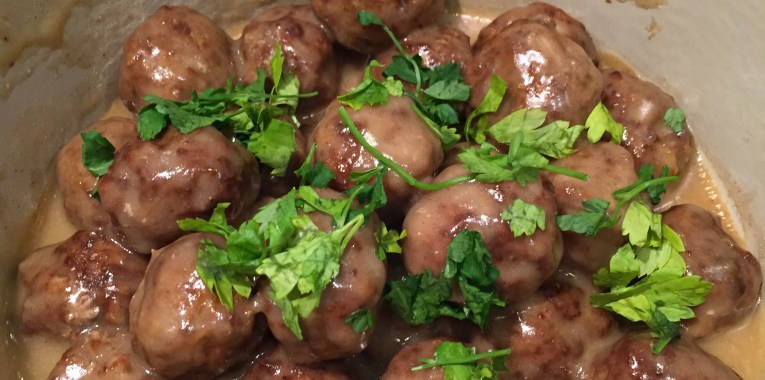
When it comes to the food, I really was spoilt for choice.  Some of the mouthwatering temptations include Semlas (cream filled buns), Jansson’s temptation (a creamy potato and anchovy casserole), Västerbotten cheese pie & a huge array of fish & shellfish dishes.  However, I simply couldn’t resist the obvious. I cooked Köttbulla (Swedish meatballs) and they were absolutely delicious!
Rating: 10/10


45g fresh white bread, crusts removed and bread cut into 1/2-inch pieces
1/4 cup milk
2.5 tbsps unsalted butter
1/2 medium onion, chopped finely
340g minced beef chuck (about 20% fat)
140g minced pork (about 25% fat)
2 tsp salt
1 large egg
1/8 tsp ground white pepper
Pinch ground allspice
Vegetable oil, for frying
1.5 tbsp flour
1 cup chicken stock
1/2 tsp soy sauce
1/4 tsp apple cider vinegar
Chopped flat-leaf parsley, for garnish
In a medium bowl, combine bread with milk, tossing to coat. Let stand until bread is completely softened and most of the milk absorbed, about 10 minutes.
Meanwhile, in a small skillet, melt 1 tablespoon butter over medium-high heat.
Add half of the onion and cook, stirring, until onion is golden and tender, about 5-6 minutes.
In a stand mixer fitted with the paddle attachment or in a food processor, combine minced beef, minced pork, bread and any remaining milk, cooked onion, remaining raw onion, salt, egg, white pepper, and allspice.
Starting on low speed and increasing to medium-high, beat mixture until ingredients are thoroughly combined, about 30 seconds to 1 minute.
Line a baking sheet with parchment paper.
Dipping your hands in water as needed to prevent meatball mixture from sticking, roll roughly 1-tablespoon-sized portions of meatball mixture into balls slightly smaller than golf-ball size.
Transfer to lined baking sheet.
Set a rack over a clean baking sheet and heat oven to 200°F. Heat about 1/2 inch of oil in a wide skillet to 350°F.
Working in batches, lower meatballs into oil and fry, turning until well browned all over, about 2 minutes. Transfer browned meatballs to the rack and keep warm in the oven.
In a medium saucepan, melt remaining 1.5 tablespoons butter over medium-high heat until foamy.
Whisk in flour and cook, whisking, until raw flour smell is gone, about 3 minutes.
Whisk in chicken stock, bring to a boil, lower heat to a simmer and cook until thickened, about 3 minutes.
Whisk in soy sauce and cider vinegar. Season with salt and white pepper.
Add meatballs to gravy and stir to coat. Simmer until meatballs are heated through.
Serve with buttered mashed potatoes.

Tajikistan

Tajikistan, a landlocked former Soviet republic, covers an area of 142,000 sq km (55,000 sq miles). It borders Kyrgyzstan in the north, China in the east, Afghanistan in the south and Uzbekistan in the northwest. The capital is Dushanbe.
The area of Tajikistan has been inhabited since 4000 BC.
The Pamir mountains, topping 7,000 meters (23,000 feet) and known locally as the “Roof of the World”, make up more than 90 percent of its territory There are more than 900 rivers in Tajikistan and about 20 main lakes.
The legendary Silk Road passed through Tajikistan going from China to Europe. The Silk Road (or Silk Route) is an ancient network of trade routes that were central to cultural interaction through regions of the Asian continent connecting the West and East from China to the Med. The Silk Road derives its name from the lucrative trade in Chinese silk carried out along its length.
Tajikistan remains the poorest of the 15 post-Soviet nations.
According to wiki, part of the 1985 American comedy film, Spies Like Us, directed by John Landis starring Chevy Chase and Dan Aykroyd was set in Tajikstan. Although they didn’t actually do any filming there.
The cuisine of Tajikstan includes Plov (a rice dish fried with vegetables & meat), Qurutob (salted cheese) and Fatir (flaky flatbread). I decided to cook lamb kebabs with mint & star anise.  They were a very unusual (if not an acquired) taste.
Rating: 7/10

Kebabs:
400g ground lamb
1 large red onion
1 medium tomato
2 tsp salt
1 tsp ground black pepper
1 tsp ground coriander
4 star anise corms, ground
1 tsp ground cinnamon
1 tbsp fresh, chopped mint leaves
1 small bunch of coriander leaves, chopped (15-20 sprigs)
3 hot, dried, red chili peppers
1/4 cup flour (optional)
Stew:
2 large yellow onions, peeled, sliced and separated into crescents
3 tbsps unsalted butter
1 tsp granulated sugar
1 generous tbsp of garlic, peeled and chopped
3 hot, dried red chili peppers
1/2 tsp salt
1/4 tsp ground black pepper
1 small bunch of coriander leaves, chopped (15-20 sprigs)
1 cup beef stock
1/2 cup plain yogurt

1. In a food processor combine onion tomato and spices and blend lightly so that the vegetables are chopped but still have their form. Add meat, blend lightly again to mix. Let set in the refrigerator for several hours before rolling into kebabs.
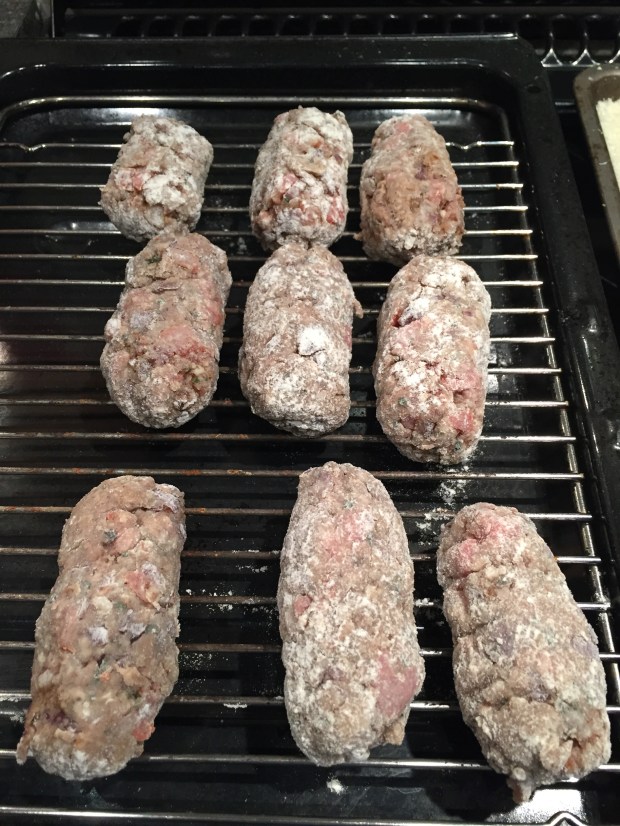
2. Preheat grill on the highest setting. Remove meat mix from refrigerator and roll the kebabs into sausages or loaves about 3 inches long and 1½ inches wide. Flour very lightly, if desired, to help the meat hold together.
3. Place on a baking sheet that has been oiled or sprayed. Cook about 6 inches from the flame for 5 minutes on each side. If meat still feels soft to the touch, cook for another few minutes, but do not let the kebabs burn. When done, remove from heat and set aside as you make the stew.
4. Melt butter in a large saucepan or sauté pan. When hot, add onions and sauté briefly to coat the onions. Cook for a few minutes stirring often and then add the sugar and lower the heat to the lowest setting. Let onions cook and caramelize, stirring them only every 10 minutes or so. When they are light brown and very soft, add the garlic, chili peppers and coriander and stir well. Cook until garlic begins to brown.
5. Add the yogurt and the beef stock to the onions and garlic, stirring well. Add the lamb kebabs and, if necessary, add more beef stock. Cover and continue to cook over a low flame until the kebabs are hot. Serve the kebabs on a bed of rice or bulgur and spoon the onions and sauce over the kebabs for a bit of extra flavor.

IMG_6877IMG_6883tajikistan-992123_1280

Indonesia

The fourth most populated country in the world with over 255m people and it has the fourth largest coastline.
It comprises of over 17,000 islands that lie between the Pacific Ocean & the Indian Ocean.  The most known islands are Sumatra, Bali & Java.  Java is the most populated island in the world.
Some of Lonely planet’s highlights include; catching waves at Ulu Watu, Bali’s surfing mecca; Java’s Borobudur temple; trekking to Dani villages in Papua’s Baliem Valley and the enigmatic orangutan in Tanjung Puting National Park.
There are 400 active volcanoes, more than any other country.  Krakatoa is the site of the largest volcanic eruption ever recorded. Occurring on August 27, 1883, it had a force equivalent to 2,000 Hiroshima bombs and resulted in the death of 36,000 people.
It is home to some pretty scary wildlife, namely, the Komodo dragon (the largest lizard on earth), Python Reticulates, (the longest snake in the world) and the largest volume of shark species, approx 150.
As for Indonesia’s cuisine, according to wiki it is one of the most vibrant and colourful in the world, full of intense flavour.  So hopefully we are in for a treat!  I was entertaining friends so I opted for 3 of the most popular dishes; Sate Ayam Madura (chicken satay with peanut sauce); Padang Style Beef Rendang (rich beef curry) and Nasi Goreng (fried rice).

Rating:  10/10 – Sate, 9/10 – Rendang Beef and 8/10 – Nasi Goreng.  Overall 9/10

Sate Ayam Madura
Peanut Sauce:
250g peanut, toasted/roasted
3 candlenuts (kemiri)
6 red chilies
4 tbsp palm sugar
2½ tsp salt
600 ml water
Satay:
600 gram chicken thigh meat, cut into ½ inch cubes
4 tablespoon sweet soy sauce (Kecap manis)
2 tsp oil Bamboo skewers (about 20)
Peanut Sauce: In a food processor, grind together peanut, candlenuts, and chilies. Transfer to a sauce pot along with the rest of the peanut sauce ingredients, and bring to a boil.
Reduce heat to a simmer and continue cooking until the sauce thickens. Turn off heat.Satay: Place chicken, sweet soy sauce, oil, and 150 gram of peanut sauce in a mixing bowl. Mix together and marinate for 30 minutes. Skewer the marinated chicken with bamboo skewers. Grill until cooked and slightly charred, baste with marinating sauce as needed. Serve the satay with peanut sauce & lime wedges 

IMG_6851
Padang Style Beef Rendang
600g beef chuck steak, cut into 2 inch by 2 inch cubes
1 litre of water
150 ml thick coconut cream
3 kaffir lime leaves
3 bay leaves
1 lemon grass, gently bruised
1 inch galangal, peeled and gently bruised
1/2 tbsp tamarind pasteGrind the following into spice paste:
15 shallots
5 cloves garlic
50g red chilies
10 candlenuts (I used macadamia as I couldn’t find these)
1 inch fresh ginger
1 inch fresh turmeric
1 /2 tbsp pepper
1 /2 tbsp salt
Put all ingredients in a soup pot and bring to a boil. Reduce heat a bit (still above simmering point) and leave the pot uncovered.
Cook until the liquid is reduced and thickened. Once the liquid has thickened, reduce the heat and simmer until all the liquid is almost gone and the beef looks a bit dark – this should take around 2 hours.
Remove from heat and serve hot or at room temperature.
Nasi Goreng
6 shallots
3 garlic cloves
5g shrimp paste
10 g red chilli
3 eggs
150 g chicken breast, deep-fried and shredded
1/4 cup cooking oil
600 g rice, cooked & cold
1 tsp pepper
3 tbsp sweet soy sauce (kecap manis)
1 tbsp soy sauce
1 spring onion, chopped
4 shallots quick fried & left to dryGrind shallots, garlic, shrimp paste and chili to fine paste.
Heat cooking oil in a wok and stir-fry spice paste for 2 minutes on a medium heat, till brownish and fragrant.
Push spices to side of wok and pour egg into the wok. Quickly scramble the egg for a minute. Mix egg with spices, break them into smaller pieces.
Add rice, pepper, kecap manis, soy sauce & chicken.
Stir-fry everything quickly over high heat, for 6-7 minutes.
Sprinkle with the spring onion and fried shallots & serve 

Bhutan

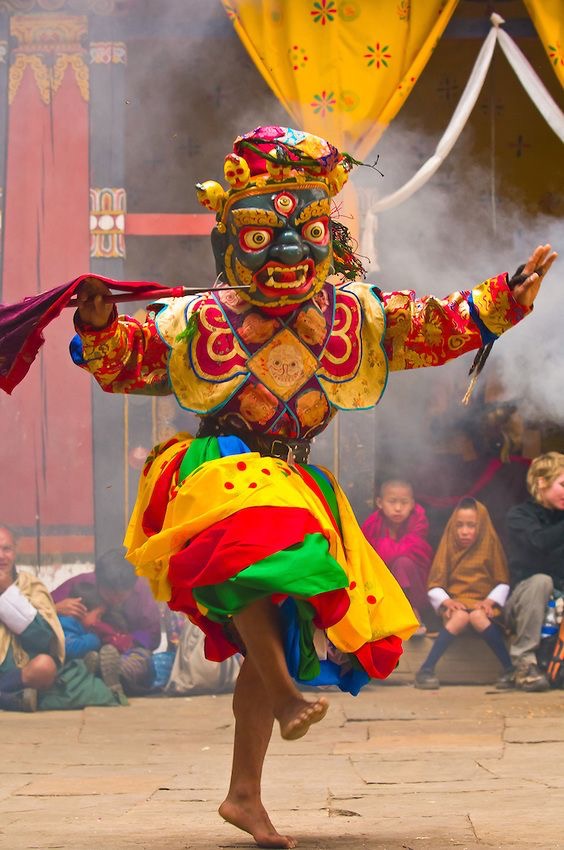
A tiny Himalayan kingdom that is best known for things like being great at archery and having no stoplights.  Bhutan is the only country that measures GNH (Global National Happiness) alongside GDP.  There are only 4 airplanes in the entire country, and they all belong to the national airline, Druk Air. There are no private planes for the royals or elected officials.  One more interesting thing to note about Bhutan: there are a lot of penises painted on buildings!  The penis is a symbol of good luck and hospitality, and some people think it wards off evil spirits.
I found it quite tricky hunting down authentic Bhutanese recipes as I kept coming across Nepalese & Chinese influenced dishes.  Ema Datshi is the national dish and is a chilli & cheese stew.  I opted to cook Momos (dumplings).
Ingredients
For the dough:
3/4 cup flour
1 cup water
1/2 tablespoons vegetable oil
1/4 teaspoon salt
For the filling:
125g minced chicken breast
1 tbsp chopped onion
1 small chopped garlic clove
1 small piece of chopped ginger
1 tbsp chopped coriander leaf
salt & pepper
For tomato sauce:
100g tomato passata
1 small chopped garlic clove
1 small piece of chopped ginger
1 tbsp olive oil
1 tsp sugar
salt & pepper
For the dough, mix the flour and salt, then add oil and water and knead until it forms a ball
Cover and set aside for 30 minutes
Mix together all the filling ingredients in a small bowl
For the sauce, fry the garlic and ginger in oil over medium-low heat for about 3 minutes. Then add the tomato passata, salt, pepper & sugar and cook over low heat for 10 minutes
Use a pasta machine to roll out the dough thinly (up to setting 5 or 6) and then cut into 4-inch circles.
Place a teaspoon of filling in the middle of each circle and fold the circle in half, then pinch the edges to seal
Steam momos for 15-20 minutes in a bamboo steamer
IMG_6599IMG_6616IMG_6613IMG_6614