Swaziland is a small landlocked country in Southern Africa. It has a wide variety of landscapes, from the mountains along the Mozambican border to savannas in the east and rain forest in the northwest. It is the only remaining absolute monarchy in Africa and the head of state is the king or Ngwenyama (meaning Lion), currently King Mswati III, who ascended to the throne in 1986 after the death of his father King Sobhuza II in 1982. By tradition, the king reigns along with his mother or a ritual substitute, the Ndlovukati (meaning She-Elephant).
It is home to many protected nature reserves and national parks, most notably Hlane Royal National Park, Mlilwane Wildlife Sanctuary and Mkhaya Game Reserve. The latter is known for its black and white rhino population. The Ngwenya Mine, situated northwest of Mbabane and near the north-western border of Swaziland is considered to be the world’s oldest, estimated to date back 43,000 years.
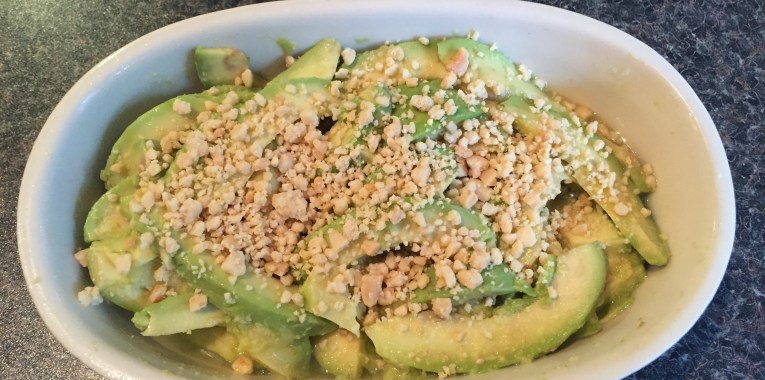
Staple foods in Swaziland include sorghum, maize, peanuts, rice and goat meat. Dishes include Umkhunsu (cooked and dried meat), Emasi lavutiwe (ground corn mixed with sour milk) , Sinkwa Sembila (corn bread) and Sishibo senkhukhu (chicken stew). I made Slaai (avocado & peanut salad) which looked promising, but I found the dressing and peanuts overpowered the flavour of the avocado.
Rating: 6/10
Serves: 4
Prep time: 10 minutes
Cook time: 0
3 tablespoons lemon juice
1 teaspoon fresh ginger, grated
1/2 teaspoon salt
2-3 large ripe avocados, diced into ½ inch cubes
1/2 cup peanuts, crushed
Mix lemon juice, ginger and salt in a large bowl
Add the avocado and mix gently
Marinate at room temperature for 20 minutes
Sprinkle with crushed peanuts and serve
The Republic of Yemen is in the Arabian peninsular and shares borders with Saudi Arabia and Oman. The Houthis, a Shiite tribal militia from northwest Yemen, have been at war with the central government for the best part of a decade. The Foreign and Commonwealth Office (FCO) advise against all travel to Yemen.
A few facts
In ancient times Yemen was known as Arabia Felix, Latin for “happy” or “fortunate. Today, Yemen is neither happy nor fortunate, but it acquired the name because its high mountains attracted rain, making it more fertile than most of the Arabian peninsula.
Shibam, in Hadramaut province, is sometimes known as “the Manhattan of the desert”. It consists of some 500 mud-built tower houses resembling skyscrapers, some of them as many as 11 storeys high. Shibam is a Unesco world heritage site.
Yemen claims to be the ancient homeland of the Queen of Sheba (Balqis or Bilqis in Arabic).
Camel jumping is a traditional sport that is becoming increasingly popular among the Zaraniq tribe on the west coast of Yemen in a desert plain by the Red Sea. Camels are placed side to side and victory goes to the competitor who leaps, from a running start, over the most camels.
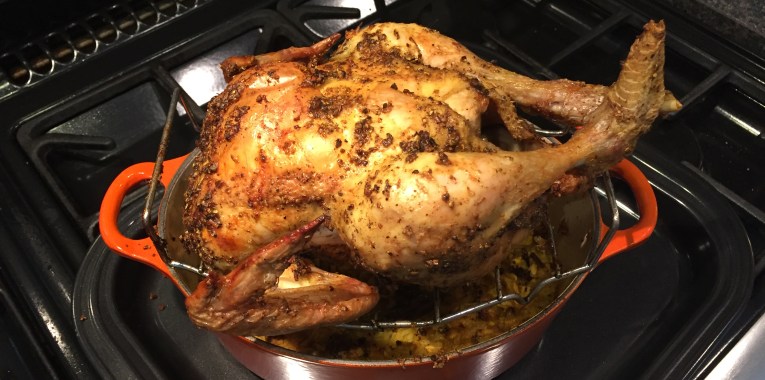
Popular Yememi dishes include Saltah (meat stew), Laxoox (flatbread), Aseed (dried fish served with local cheese, salad of garlic and spring onions with meat and sauce), Fatoot (fried bread with eggs), Bint Al-Sahn (sweet honey cake). I made Chicken Mandi (slow cooked spiced chicken over rice). It was quite tasty.
For making Hawaij Spice
1/2 tbsp coriander seeds
1/2 tbsp cumin seeds
1/4 tbsp whole black peppercorns
1/4 tbsp whole cardamom pods
1/4 tsp whole cloves
1 inch whole cinnamon
For marinating chicken
1½ kg chicken
2 tbsp hawaij spice
40g butter, melted
1/2 tsp turmeric powder
1/2 tsp ground pepper
3 tsp salt
For making Rice
2 cups basmati rice
1½ tbsp vegetable oil
1 onion, chopped
3 whole cardamom pods
2 whole cloves
2 inch whole cinnamon
2 bay leaves
2 green chilies
1/2 tsp whole black peppercorns
1/4 tsp turmeric powder
1 tsp soaked in 1½ tbsp water saffron strands
4 cups water
Salt to taste
In a small frying pan, roast all the ingredients for making the hawaij over medium heat for 3 to 4 minutes or till aromatic. Do not burn the spices.
Let the roasted spices cool down and grind to a fine powder
In a bowl, combine 2 tbsp hawaij with ½ tsp turmeric powder, ground pepper, salt and melted butter
Using a brush, spread the spice rub inside the skin, over the chicken and also inside the cavity
Place the chicken in a bag and marinate in the fridge for 4 hours or overnight
Making rice
In a small bowl, soak the saffron in water for an hour. Keep aside
Place a large pot over medium heat, add oil
Add onion, season with salt and cook till translucent
Remove the pot from the heat
Add whole cardamom, cloves, cinnamon, bay leaves, pepper corns, green chilies, turmeric powder, rice, water and enough salt. Combine well
Baking the chicken and rice
Preheat oven to 210 C
Place a wire rack over the pot with rice, and place the marinated chicken breast side down on the wire rack to allow the drippings from the chicken to fall into the rice. Make sure the pot is larger than the chicken
Place the pot along with chicken on the lower rack in the preheated oven
Cook for 15 minutes at 210 C
After 15 minutes, lower the heat to 180 C and cook the chicken and rice for 45 minutes
After an hour, gently flip the chicken (breast side up) and again cook for another 30 minutes or till the chicken has browned and cooked well inside.
Take the rice and chicken from the oven. Remove the wire rack from the pot, let the chicken rest for 5 minutes
Add the soaked saffron into the rice and combine well. Adding saffron is a must as this is what makes the rice aromatic and flavorful
Place the rice on a platter and put the chicken on top and serve
Marinating the Chicken Mandi
Hawaij Spice
Chicken Mandi (slow cooked spiced chicken over rice)
Chicken Mandi (slow cooked spiced chicken over rice)
Chicken Mandi (slow cooked spiced chicken over rice)
Shibam, Yemen
Camel jumping
Ingredients for Chicken Mandi (slow cooked spiced chicken over rice)
Bulgaria, the country, not Great Uncle, is in southeastern Europe and is one of the oldest European countries, the only one that hasn’t changed its namе since it was founded in 681 AD. Great Uncle Bulgaria is named after the country and is the leader of the Wombles of Wimbledon.
Bulgaria is home to the Varna Necropolis treasure, the oldest gold treasure in the world with an approximate age of over 6,000 years. The site was accidentally discovered in October 1972 by excavator operator Raycho Marinov. The artifacts can be seen at the Varna Archaeological Museum and at the National Historical Museum in Sofia.
Bulgaria was the world’s second largest wine producer in 1980s, but the industry declined after the collapse of communism. However production is up and is now ranked 21st in the world with over 130,000 tonnes produced in 2013.
Bulgarian born Stefka Kostadinova has held the world record for the female high jump at 2.09m since the 1987 World Athletics Championships in Rome.
Bulgarian cuisine shares characteristics with other Balkans cuisines. Popular traditional dishes include Tarator (cold soup of cucumbers, garlic, yogurt and dill), Bob chorba (hot bean soup), Banitsa (breakfast filo pie), Kavarma (beef or pork stew), Pechen svinski but (roast leg of pork) and Lukanka (Bulgarian cold cuts). I made Shopska salad (tomato, onion, cucumber and cheese salad), which was simple, fresh and flavoursome.
4 tomatoes
1/2 cucumber
2 red peppers, roasted and skin removed
1 small red onion, sliced thinly
250g feta cheese
2 tbsp parsley, finely chopped
salt and pepper
1 tbsp white wine vinegar
2 tbsp olive oil
Char the red peppers on a BBQ or gas hob until black all over
Leave to cool for 5 minutes, then remove the skin by gently washing under the tap, remove the seeds
Cut the tomatoes, cucumber, peppers into cubes and place in a salad bowl
Add the onions, parsley, oil and seasoning
Crumble over the feta cheese and serve
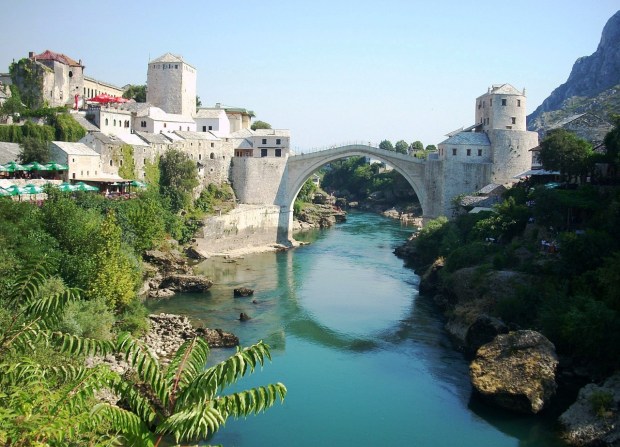
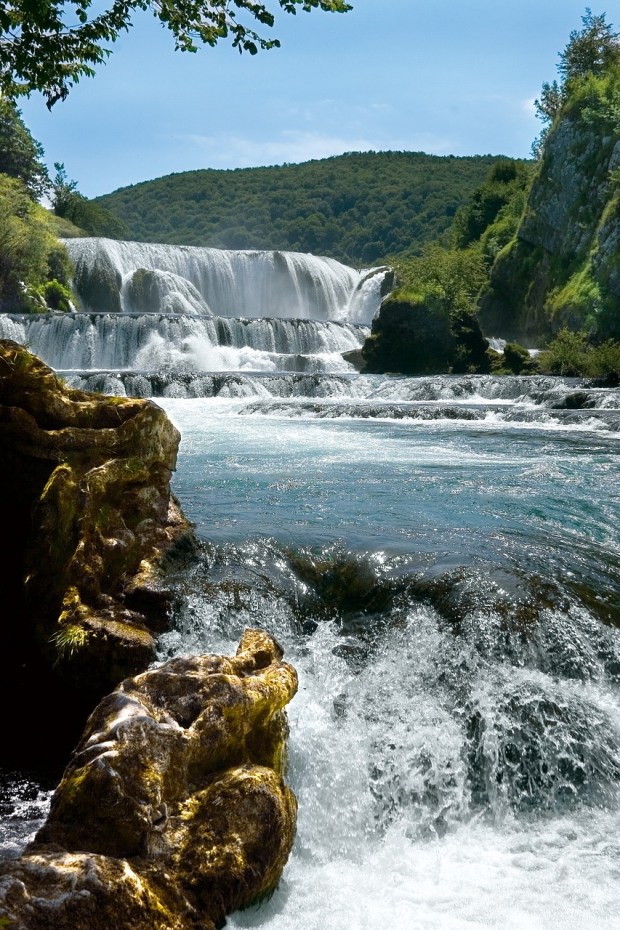
Bosnia and Herzegovina, BiH for short, is located in Southeastern Europe on the Balkan Peninsula. It declared sovereignty in October 1991 and independence from the former Yugoslavia on 3 March 1992. The country’s name comes from the two regions Bosnia and Herzegovina, which have a very vaguely defined border between them. Bosnia occupies the northern areas which are roughly four-fifths of the entire country, while Herzegovina occupies the rest in the southern part of the country. The name “Bosnia” comes from an Indo-European word Bosana, which means water. (There are 7 major rivers and over 100 lakes).
The town of Međugorje located in the mountains near Mostar has been popular with Catholic pilgrims since 1981, when six local children claimed they had seen visions of the Blessed Virgin Mary. Over 1 million people make the pilgrimage each year. The name Međugorje literally means “between mountains”.
Perućica is one of the last remaining primeval forests in Europe, located near the border with Montenegro and part of the Sutjeska National Park. The tallest measured Norway Spruce (63 m) is located here.
According to the Guinness book of records the largest fish stew ever made, weighed 3,804 kg was by the Tourist Organisation of the Municipality of Prnjavor in Bosnia and Herzegovina on 19 August 2014. However in April 2015, a dozen Bosnian chefs from Sarajevo outperformed the record by making a traditional stew weighing 4,124 kg. It took 8 hours and served 15,000 portions. The record has not yet been verified by a Guinness World Records committee.
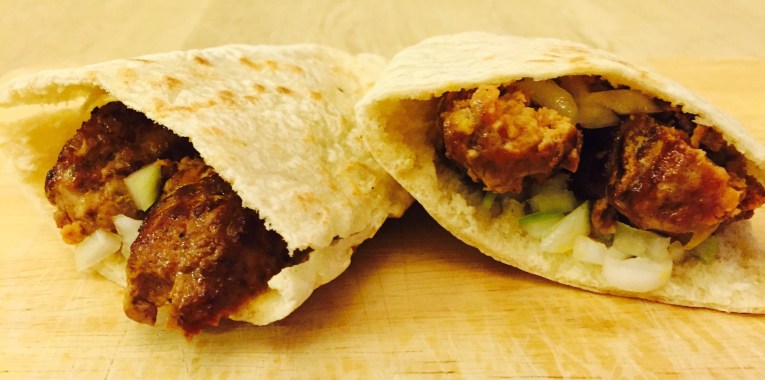
Some of the traditional Bosnian dishes I came across, other than enormous stews, included Zeljanica (spinach and feta pie), Begova Čorba (Bosnian soup), Grašak (pea stew), Sarma (meat and rice rolled in pickled cabbage leaves) and Krofna (filled doughnuts). I decided to make Ćevapi (meat kebabs) which were fairly simple but needed a good amount of seasoning which the recipe I followed had omitted to include, so ours were rather bland. I’ve adjusted the recipe below to include more seasoning.
Melt the butter over medium heat, add the onions and fry until translucent
Add the garlic for a few minutes whilst stirring to prevent burning. Remove from the heat and let cool for 10 minutes
Mix the ground lamb, ground beef., the cooled onion/garlic mixture, egg white, paprika, salt and pepper and mix well.
Shape the meat into unappetizing looking little cylinders, which are the traditional shape
Cover with clingfilm and refrigerate for at least one hour
Pan fry the cevapi in a little olive oil until nicely browned, about 8 – 10 minutes
To serve, toast the pitta, then cut in half and make a pocket in each one
Stuff a few finely chopped onions inside the pita, then add the cevapi and top with a few more of the onions
Ćevapi (meat kebabs)
Ćevapi (meat kebabs)
Ćevapi (meat kebabs)
Ćevapi (meat kebabs)
Ćevapi (meat kebabs)
Ingredients for Ćevapi (meat kebabs)
Making the world’s largest stew in Sarajevo!St James Church, MeđugorjeStari Most Bridge, MostarPerućica, Bosnia and HerzegovinaAna River, Bosnia and Herzegovina
I have been to Croatia a number of times, most recently to Pula in the north and prior to that Dubrovnik on three occasions. It is a beautiful country with stunning coastlines, crystal blue water and impressive architecture. The walled city of Dubrovnik really is a sight to behold with windy narrow steps, Stradun (it’s limestone-paved main thoroughfare) and glimpses of brilliant blue through the gaps in the city walls. It became a Unesco world heritage site in 1979. Pula’s amphitheatre is the 6th largest amphitheatre in the world and the only one that has all three rows completely preserved.
The Republic of Croatia covers 21,851 sq miles, consisting of 21,782 sq miles of land and 49 sq miles of water. There are over a thousand islands and islets varying in size, 48 of which are permanently inhabited. The largest islands are Cres and Krk. According to Lonely Planet, the top things to see in Croatia are Plitvice Lakes National Park, Diocletian’s Palace in Split, Dubrovnik’s city walls and Cres Island. Alfred Hitchcock once said “Zadar has the most beautiful sunset in the world, more beautiful than the one in Key West, Florida”. Croatia is ranked as the 18th most popular tourist destination in the world.
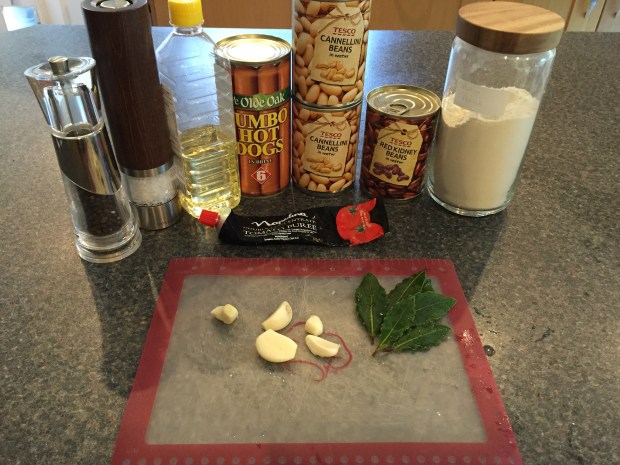
Croatian cuisine can be divided into regional cuisines (Istria, Dalmatia, Dubrovnik, Lika, Gorski Kotar, Zagorje, Međimurje, Podravina, Slavonija) which all have their specific cooking traditions. Popular recipes I came across were Pasticada (slow cooked beef stew), Krpice Sa Sunkom (Ham and pasta casserole), Cevapcici (meat kebabs), Punjene Paprika (stuffed peppers), Govedina s lukom (beef in onion sauce) and Fuzi (Istrian pasta commonly served with truffles). I opted to make Grah s kobasicama (Bean and sausage stew) which, for what is essentially a simple store cupboard meal, was really tasty.
3 tins beans (cannellini, kidney or borlotti)
500g tinned hot dog sausages
5 bay leaves
50g flour
4 cloves garlic, crushed
2 tbsps tomato puree
1 knorr chicken stock pot/cube
3 tbsp vegetable oil
Salt
Pepper
fresh parsley, chopped
Chop the sausages into small bite-size pieces and place in boiling water – turn temperature down and cook in water on a low heat.
Put the oil into a pan over a medium heat, add the flour and stir to create a roux
Add the crushed garlic cloves, tomato puree and stock pot or cube and mix well
Keep adding a ladleful of water one at a time from the sausage cooking liquid and keep stirring to remove lumps until you have a nice unctuous consistency
Add the sausages and bay leaves to the sauce and let cook for 20 minutes on medium heat, add more water if it is too thick
Add the beans and cook for a further 2 – 3 minutes, again add more water if necessary
Add salt and pepper to taste and cook for another minute
Sprinkle over the parsley and serve with warm french bread
Ingredients for Grah s kobasicama (Bean and sausage stew)Grah s kobasicama (Bean and sausage stew)Grah s kobasicama (Bean and sausage stew)Grah s kobasicama (Bean and sausage stew)Empty plate says it all!Family and friends enjoying Grah s kobasicama (Bean and sausage stew)DubrovnikPlitvice Lakes National Park, CroatiaCres Island, CroatiaPula Amphitheatre, Croatia
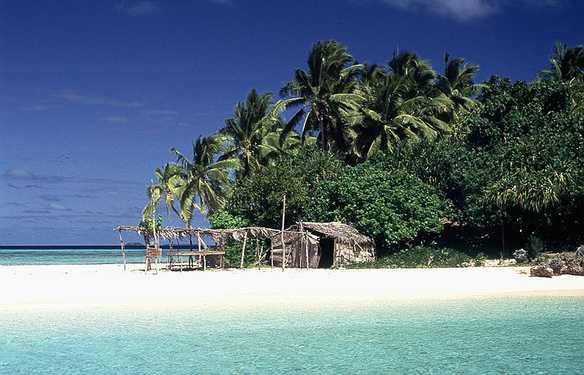
The Kingdom of Tonga is an archipelago of 169 islands in the Pacific Ocean and 36 of the islands are inhabited. Spread over 500 miles from north to south, there are 3 main island groups – Vava’u, Ha’apai, and Tongatapu. 70% of the population living on the main island of Tongatapu. Tonga became a constitutional monarchy in 1875 and remains the only monarchy in the Pacific. King Tupou VI has reigned since 18 March 2012.
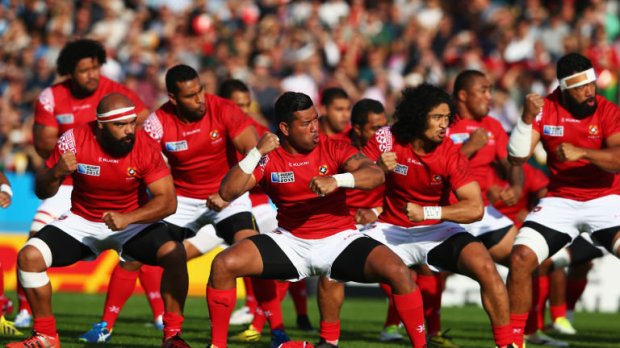
Rugby union is the national sport and they are very proud of the national team known as the Sea Eagles. Like New Zealand, Tonga performs a war-like dance before matches called the “Sipi Tau”.
Tourism is the 2nd largest source of Tongan earnings with 45,000 visitors in 2013. Highlights include Ha’amonga ‘a Maui Trilithon (the South Pacific’s stonehenge), St Joseph’s Cathedral, Mapu’a ‘a Vaea Blowholes, Ha’atafu Beach and ‘Anahulu Cave.
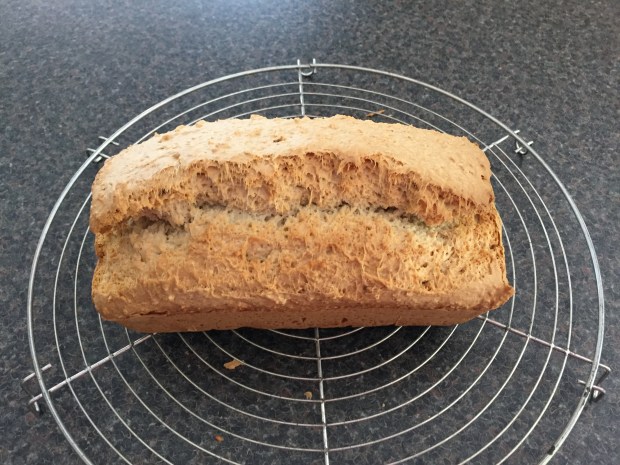
Tongan cuisine features taro, yams, bananas, coconuts, and fish baked in leaves. Traditionally they would have eaten one meal at lunchtime each day that had been cooked in an ‘umu’ (earth oven). Nowadays they have adopted a more western meal schedule of breakfast, light lunch and dinner. Some Tongan dishes include Faikakai topai (dumplings in sweet coconut syrup), Lo’I Feke (Octopus in coconut cream) , Lū sipi (taro leaves with lamb), Kapisi Pulu (cabbage and corned beef in coconut cream) , Keke Vai with Banana (Banana Pancakes) and Oka Ita (Tongan ceviche). I opted to make coconut bread which was a little crumbly but quite tasty.
3 cups all-purpose flour
1 tbsp baking powder
1 tsp salt
1 cup desiccated coconut
1 egg
1 & ½ cup coconut milk
¼ cup sugar
½ tsp scraped vanilla bean
Preheat the oven to 180 degrees
Mix flour, baking soda, salt and grated coconut in a bowl
Whisk egg, add sugar, vanilla and coconut milk and mix well
Add wet ingredients to dry ingredients and mix well
Pour into greased loaf tin
Bake for 1 hour and remove from the tin to a cooling rack
Ingredients for Tongan coconut breadTongan coconut breadTonga rugby team performing sipi-tau
Nuku Island Vava’u TongaHa’amonga ‘a Maui Trilithon Tonga
Canada, the second largest country in the world after Russia is made up of ten provinces. It’s border with the US is the world’s longest land border and it has the longest coastline in the world. There are over 2,000,000 lakes in Canada, which is more than the rest of the world’s lakes combined. Alert, in the Qikiqtaaluk Region, Nunavut, Canada, is the northernmost permanently inhabited place in the world, which takes its name from HMS Alert, which wintered 10 km east of the present station, off what is now Cape Sheridan, in 1875–1876. The annual mean temperature in Alert is -17.7c.
A few interesting facts
Yonge Street in Canada is the longest street in the world at 1,896 km (1,178 mi)
Police Departments in Canada give out “positive tickets” when they see people doing something positive
Canada has the third largest oil reserves of any country in the world after Saudi Arabia and Venezuela
There are more people living in the Tokyo metropolitan area than in the whole of Canada
Canadian born Sarwan Singh is the proud holder of the world record for the longest beard measuring 2.495 m (8 ft 2.5 in)
According to former Canadian prime minister Joe Clark, ‘Canadian cuisine is a collage of dishes from the cuisines of other cultures’. It varies depending on the region with influences from Britain, Scotland and France.
A few food facts:
Canada produces 1.6% of the world’s food but consumes only 0.6%
77% of the world’s maple syrup is made in Quebec
80% of the alcohol consumed in Canada is beer.
Popular dishes include Poutine (chips with cheese curd and gravy, Butter tart, Montreal-style bagels, Rappie pie (grated potato and meat casserole) and Kraft dinner (macaroni cheese). I made maple beer baked ham which we were a little disappointed with. Despite the name, the recipe called for pork which didn’t really absorb the lovely flavour of maple syrup. I think it would have been far better if I’d used ham.
600g pork shoulder (bone in)
1 tbsp butter
1 clove garlic, crushed
1 onion, chopped finely
1 1/3 cups strong beer
1 cup chicken or beef stock
3/4 cup pure maple syrup from Canada, divided
3 tbsp dijon mustard
2 cloves
1 cinnamon stick
1 tsp coriander seeds
Freshly ground pepper, to taste
In a large stockpot over medium heat, melt butter
Add onions and garlic, fry until soft, about 5 minutes
Add beer, chicken or beef broth, 1/2 cup maple syrup, mustard, cloves, cinnamon, coriander and pepper, whisking until well-combined
Bring to a boil and then add pork to pot and bring back to the boil
Reduce heat, cover, and simmer until meat is tender, about 1 1/2 hours
Preheat oven to 400ºF
Carefully remove pork from pot and transfer to a baking dish
Continue cooking liquid until reduced by half
Remove from heat and stir in remaining 1/4 cup maple syrup
Baste meat with maple glaze. Transfer to oven and bake until ham begins to crisp, about 20 minutes, basting with maple glaze every 5 minutes
Carve ham and serve
Ingredients for Maple beer baked hamMaple beer baked hamMaple beer baked hamYonge Street, Toronto, CanadaBanff, CanadaGrizzly bear
Tuvalu is the world’s fourth smallest nation. It is made up of 9 low lying atolls and reef islands in the South Pacific Ocean, with the highest point reaching only 4.6m above sea level. The name Tuvalu means “eight islands” and although there are nine islands comprising the country today, only eight were initially inhabited so the ninth is not included in its name. It previously formed part of the British colony of the Gilbert and Ellice Islands until 1975 when the Ellice Islands separated from the Gilbert Islands and it became Tuvalu.
The country is isolated, almost entirely dependent on imports, particularly of food and fuel, and vulnerable to climate change and rising sea levels, which pose significant challenges to development. At the 2015 UN Climate Change Conference, the Prime Minister of Tuvalu, Emele Sopoaga said “Tuvalu’s future at current warming, is already bleak, any further temperature increase will spell the total demise of Tuvalu…. For Small Island Developing States, Least Developed Countries and many others, setting a global temperature goal of below 1.5 degrees Celsius relative to pre-industrial levels is critical. I call on the people of Europe to think carefully about their obsession with 2 degrees. Surely, we must aim for the best future we can deliver and not a weak compromise. Let’s do it for Tuvalu. For if we save Tuvalu we save the world.”
The main staples of Tuvaluan cuisine are coconut, banana, taro and fish. Two popular traditional dishes are Palusami (taro leaf, onions and fish) and Laulu (taro leaf in coconut cream). Finding Tuvaluan recipes was quite a challenge however I came across a recipe for Tuvalu coconut tuna which was really simple and very tasty.
300g raw yellowfin tuna, cut into chunks
1 tbsp vegetable oil
1 medium onion, chopped
1/2 tbsp freshly grated ginger root
2 cloves garlic, peeled and crushed
1 Scotch Bonnet hot chili peppers, seeds left in, and rough chopped
1/2 tbsp medium curry powder
tin coconut milk
2 spring onions, chopped
3 tbsp light soy sauce
Fresh coriander, chopped
In a large skillet or wok, heat up some vegetable oil over medium-high heat.
Fry the onions for a few minutes, until fragrant and translucent.
Add in the Scotch Bonnet pepper, curry powder, garlic and reduce the heat to medium and cook for about 5 minutes
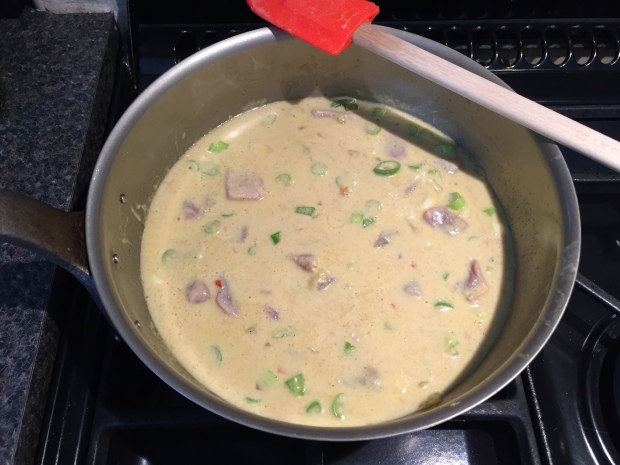
Stir in the coconut milk, and the spring onions
Add the tuna and soy sauce and cook over a medium heat for about 10 minutes, stirring occasionally
Finish off by adding the coriander and serve with steamed rice
Tuvalu coconut tunaIngredients for Tuvalu coconut tunaTuvalu coconut tunaTuvalu coconut tunaTuvalu coconut tunaTuvalu coconut tuna with steamed riceTuvalu
I visited Vietnam in 2002 during my world tour and it was one of my favourite places, despite probably the longest, most uncomfortable journey I endured getting there. We left Vientiane in Laos at around 8pm, in a crammed full bus with no air con and tiny bench seats, and arrived in Hanoi 34 hours later. The roads were bumpy to start and got progressively worse, so much so you had to stand up every 10 minutes or so to help ease the bone shaking. Thanks to a landslide at the usual border crossing, we had to take a 10 hour detour and after a 3 hour wait at the Vietnamese border and changing to an even smaller, more crammed bus we eventually arrived. Travelling around Vietnam back then was generally best organised through tour operators via set routes and site seeing landmarks. It was possible to travel independently however it was much more expensive so I had booked a full 3 week tour taking in the key highlights.
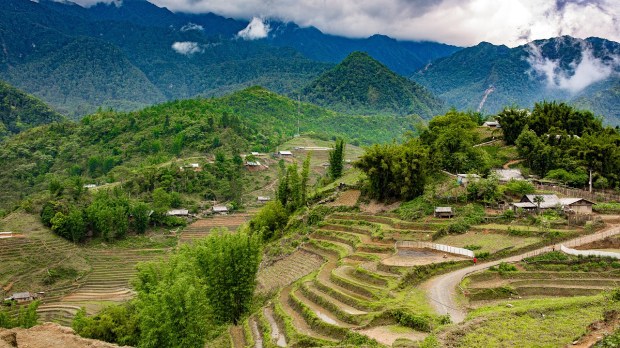
There is so much to see and do in Vietnam but among my favourites were Halong Bay (a stunning area of limestone karsts and scattered isles), the hill tribe villages of Sapa, Ho Chi Minh’s Museum of Chinese and American War Crimes (now called the War Remnants Museum), shopping in Hue and Hoi An and Mui Ne beach.
I was spoilt for choice with the huge array of Vietnamese dishes available. It is considered one of the healthiest cuisines in the world. A typical family meal would include bowls of rice, meat, fish or seafood, a clear broth or soup and dipping sauces. Recipes I considered were Pho Bo or Ga (noodle soup with beef or chicken), Bánh canh (thick rice noodle soup), Bánh bao (steamed bun dumpling), Gà nướng sả (grilled chicken with lemongrass), Súp măng cua (asparagus and crab soup) and Bánh mì (vietnamese baguette). Having tasted them many times in Vietnam, I decided to make Goi Cuon (salad rolls) which had a lovely fresh taste.
280g pork shoulder or loin steaks, thinly sliced
1 garlic cloves, crushed
1 shallot, finely chopped
1/2 tbsp fish sauce
1/2 tsp sugar
1 tsp freshly ground black pepper, or to taste
2 tbsp vegetable oil
Hoisin Peanut Dipping Sauce
1/2 cup hoisin sauce (if sauce is thick, add about 1/4 cup warm water to reach desired consistency)
2 tbsp smooth peanut butter
1/2 tbsp rice vinegar
1 garlic clove, crushed
1/2 red chilli, finely chopped (or more if you want more heat)
To assemble the salad rolls
6 – 8 rice paper wrappers
Lettuce
Cucumber, cut into long slices
Fresh coriander
Bean sprouts
In a plastic bag combine the pork, garlic, shallot, fish sauce, sugar, pepper and oil and marinate in the fridge for 20 minutes or more
On a grill or BBQ cook the pork for about 2-3 minutes on each side
In blender, combine all the ingredients for the hoisin peanut dipping sauce
In bowl of warm water, dip each rice paper wrapper for about 3-5 seconds (depending on rice paper thickness). Take care not to over soak your rice paper wrapper
Place on work surface and allow rice paper to soak up water and become gelatinous and pliable (about 30 seconds to 1 minute, again, depending on the thickness rice paper)
On the top 1/3 side closest to you, lay lettuce on the bottom for added strength to the wrapper, then place meat, coriander, cucumber and beansprouts
Roll up the salad roll about 1/3 way through, then fold in the sides before rolling up fully
Serve with hoisin peanut dip
Marinating the pork
Making the Goi Cuon (salad rolls)
Ingredients for Goi Cuon (salad rolls)
Hoisin peanut dipping sauce
Goi Cuon (salad rolls)
Hoisin peanut dipping sauce
Rolling the Goi Cuon (salad rolls)
Goi Cuon (salad rolls)
Cooking the pork
Sapa, Vietnam Mui Ne beach, Vietnam Lanterns in Hoi An, Vietnam Halong Bay, Vietnam
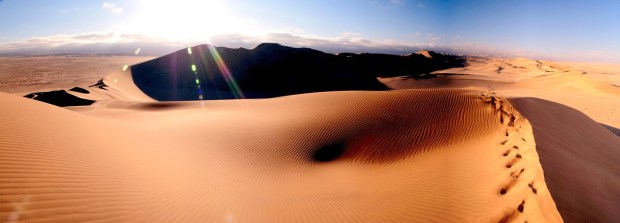
Namibia, “Land of the Brave” according to the national anthem, is situated in southern Africa between the Namib and the Kalahari deserts. The Namib (meaning “vast place”) coastal desert is one of the oldest in the world, it’s sand dunes are the highest in the world and they are a rich source of diamonds. The Sperrgebiet (meaning “Prohibited Area”) National Park, also known as Diamond Area 1, was created by the Germans in 1908, it was then taken over by the South Africans and De Beers had full ownership until the 1990s when the Namibian government bought a fifty percent stake, forming a partnership called the Namdeb Diamond Corporation. Namibian diamonds are the highest valued in the world and were worth $550 dollars per carat in 2012 vs Russian diamonds (the world’s largest producer) at $82 per carat.
A few other interesting facts:
Namibia is the second least densely populated country in the world after Mongolia
It has the largest number of cheetahs in the world
Namibia is one of only two countries in the world that has desert dwelling elephants
‘Hoba’, the world’s largest intact meteorite landed in Namibia weighing over 60 tonnes
It is the fifth largest producer of uranium in the world and is expected to become the second largest once the Husab mine reaches full production in 2017
Highlights for the tourist include the sand dunes at Sossusvlei, Spitzkoppe (the ‘Matterhorn of Africa’), the Skeleton Coast, Etosha National Park and the Fish River Canyon gorge. In 2010, Lonely Planet named Namibia the 5th best tourist destination in the world in terms of value.
Namibian cuisine varies by region but staple foods include pap (porridge), meat, game and fish. A few dishes I came across were Potjiekos (small pot stew), sheep’s tails, veldt bread and Namibian black eyed peas. However, I decided to have a go at ‘Kapana’ which is simply grilled meat, generally beef. It is a highly popular street food found in the Windhoek Katutura area. It can be served on its own, with spices or with vetkoeks (fat cakes). A special thanks to Chantel from the Namibian Chefs Association who gave me some advice to ensure it’s authenticity. Even though we have a fabulously large gas BBQ, I bought a disposable charcoal BBQ so it had the ‘real’ taste. We thought the vetkoeks were a little sweet and overpowered the meat, but were a very tasty treat for breakfast the next morning!
For the kapana
2 ribeye steaks (choose chunky steaks with a good amount of fat)
coarse sea salt
fresh ground black pepper
groundnut oil
hot chilli sauce (optional)
disposable BBQ
For the vetkoeks (makes 4)
2 cups flour
7g instant dry yeast
1/2 tbsp sugar
1/2 tsp salt
1 1/2 tbsp oil
1 cup warm water
vegetable oil for deep frying
For the vetkoeks
Sieve flour and combine all the dry ingredients in a big bowl
Add the oil and then water bit by bit until you get the consistency of a soft bread dough. The mixture must still be quite sticky.
Place the dough on a floured surface and gently knead for 5-10 minutes
You may need to add a little more flour to the dough to prevent it sticking to your fingers
Place the dough in a clean bowl and cover with a cloth and set aside in a warm place until the dough has doubled in size, about 1 – 2 hours
Divide the dough into 4 portions and mould into balls
Deep fry a few vetkoek at a time over a medium/low heat until golden brown, about 10 minutes
For the kapana
Light the disposable BBQ 20 minutes before you want to use it
Generously season the steaks and rub a little groundnut oil all over
Grill the steaks on the BBQ for 5 minutes on each side for medium rare steaks and then rest for 2 minutes
Serve with the vetkoeks and hot chilli sauce
Ingredients for vetkoeks
Dough for vetkoeks
Vetkoeks (fat cakes)
Ingredients for Kapana (grilled meat)
Kapana (grilled meat)
Kapana (grilled meat) with Vetkoeks (fat cakes)
Kapana (grilled meat) with Vetkoeks (fat cakes)
Spitzkoppe Namibia Sossusvlei Namibia Desert dwelling elephants Namibia Sperrgebiet National Park Namibia
Sudan is dominated by the River Nile with the main tributaries, the Blue and the White Nile, merging at Sudan’s capital city, Khartoum. The Republic of Sudan was the largest country in Africa until 2011, when South Sudan separated to become the world’s newest independent country. Two rounds of north-south civil war have cost the lives of almost 2 million people, and continuing conflict in the western region of Darfur has driven two million people from their homes and killed more than 200,000.
There are more pyramids in Sudan than in Egypt. Approximately 255 pyramids were constructed at three sites in Nubia, Sudan over a period of a few hundred years to serve as tombs for the kings and queens of Napata and Meroë. The royal cemetery at Begrawiya is one of the most amazing sites in Sudan, where you’ll see two main groups of pyramids separated by several hundred metres of sandy desert. The archeological sites of Meroë were listed by Unesco as World Heritage Sites in 2011.
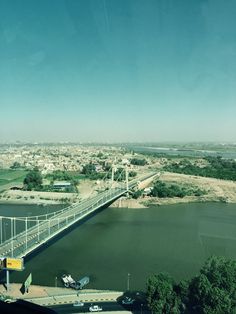
The merging of the Blue and White Niles are best seen from the White Nile bridge in Khartoum. You can actually see the different colours of each Nile flowing side by side before blending further downstream, although neither are blue or white.
Popular Sudanese cuisine includes Kissra (bread) , Tamia (fried chickpea balls), Gorraasa (flatbread) , Fuul (stewed beans) , Fasulia (haricot bean stew) Bamya (okra stew) and Taheena (sesame seed dip). As it was a sunny day and we were keen for something healthy, I opted to make Salata jibna (salad with cheese). It was simple yet delicious.
1/2 cup onions, cut into slivers or thin slices
1/2 cup cabbage, cut into slivers or thin slices
1/4 cup carrots, cut into very thin slices
1/2 cup cherry tomatoes, diced
3 tbsp olive oil
3 tbsp lemon juice
1 tbsp white vinegar
1/2 tsp salt
pinch black pepper
1 small clove garlic, minced
25g parmesan cheese, grated
In a salad bowl, combine onions, cabbage, carrots, and tomatoes
Mix together the olive oil, lemon juice, vinegar, garlic, salt and pepper in a bowl
Pour dressing and parmesan over salad and toss well
Ingredients for Salata jibnaSalata jibnaMeroe pyramids SudanWhite Nile bridge, Khartoum, Sudan
Ecuador or “the Republic of the Equator” is in northwest South America and includes the Galápagos Islands in the Pacific Ocean, 500 miles west of the mainland. It is known for its rich ecology, hosting many endemic plants and animals. There are 18 main islands in the Galápagos home to many unique species, most famous are the giant tortoises after which the islands are named (‘galapago’ means tortoise in Spanish), the marine iguana lizard and the Galapagos penguin, one of the smallest penguins in the world.
A few other interesting facts:
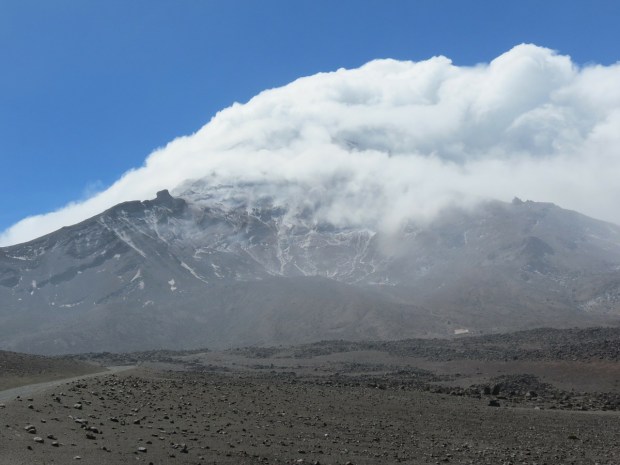
According to the CIA factbook because the earth is not a perfect sphere and has an equatorial bulge, the highest point on the planet closest to the sun is Mount Chimborazo in Ecuador, not Mount Everest, which is merely the highest peak above sea level. It is 1.5 miles higher than Everest.
Quito is the highest capital on Earth at 2,850m above sea level
The Galapagos Islands and the city of Quito were the first 2 sites on the list of Unesco World Heritage sites
Ecuador is the leading exporter of Bananas accounting for approximately 29%
Oil accounts for over half of Ecuador’s export earnings
Some popular Ecuadorian dishes include Locro de Papas (potato soup), Llapingachos (Potato cakes served with eggs, avocado, chorizo), Seco de Chivo (goat stew), Hornado (roast pig), Encocado de Camarones (prawns in coconut milk) and Patacone (fried green plantains stuffed in pancake). I made Cebiche Guayaquileño (raw prawns cured with lemon) which had a wonderfully sweet and zingy flavour. Lovely on a hot summer’s day!
200g raw prawns with shells and no heads
2 cups of water
1 bay leaf
1 clove of garlic
1 spring onion, roughly chopped
Pinch of salt and pepper
1 large tomato, deseeded and diced
1/2 small red onion, sliced in half moons
Juice of 1/2 lemon for the onions
Juice of 1 orange
Juice of 1& 1/2 lemons
1/3 cup of prawn stock (see below for preparation) or 1/2 fish stock cube
1/4 cup ketchup
fresh coriander, chopped
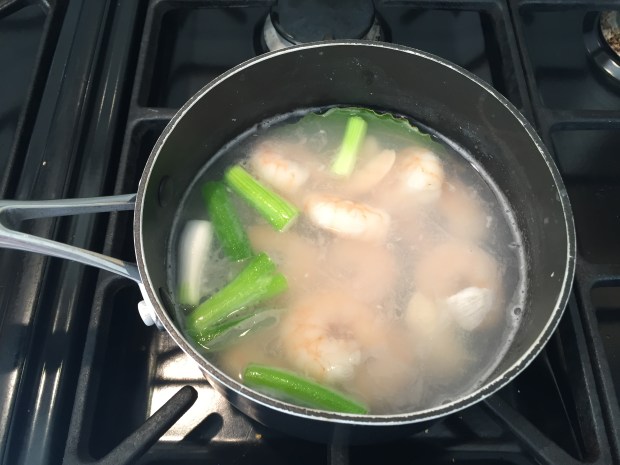
In a pan combine the water, bay leaf, garlic, spring onions and prawns. Turn the heat to medium and cook the prawns until you see them beginning to turn pink, about 3 minutes
Turn off the heat and remove the prawns from the water. Keep this water
Peel and devein the prawns saving the prawns shells.
(I used raw prawns that didn’t have shells on so I added 1/2 fish stock cube to the water instead of the shells)
Put the prawn shells back in the water and bring to a boil. Remove from the heat and strain the prawn stock
In a small bowl, combine the onions with juice of 1/2 lemon and a pinch of salt. Marinate for 15 minutes
In medium bowl combine the diced tomatoes, prawns, onions, ketchup, lemon and orange juices and 1/3 cup of prawn stock
Mix all the ingredients and adjust seasonings as necessary. Add the chopped cilantro and stir it into the ceviche
Chill for about an hour in the fridge and serve
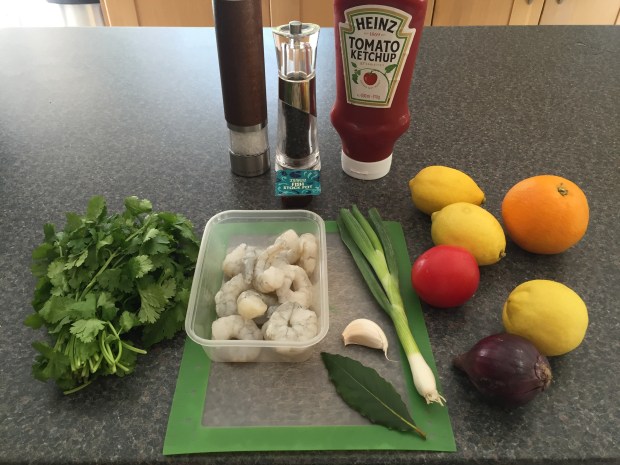
Ingredients for Cebiche GuayaquileñoCebiche GuayaquileñoQuito EcuadorChimborazo EcuadorSunset in the GalapagosMarine iguanas GalapagosCebiche Guayaquileño
Montenegro – Crna Gora or Black Mountain, allegedly named by the Venetians when they saw the pine forests on Mount Lovćen which were apparently so dense that from far away the mountain looked black. 60 percent of the country is more than 1,000 meters (3,280 feet) high, with the tallest peak, Zla Kolata, reaching to 2,534 metres (8,314 ft) which is located on the border of Montenegro and Albania. It became an independent nation in 2006, after 55% voted for independence in a referendum.
In Montenegro, ‘Krvna Osveta’ (blood feud) is a law of vendetta which has been practised since medieval times and still occurs today. It is an oath of revenge for vendetta, meaning that a person must take revenge on whoever killed his relative by killing the murderer or one of the murderer’s close relatives.
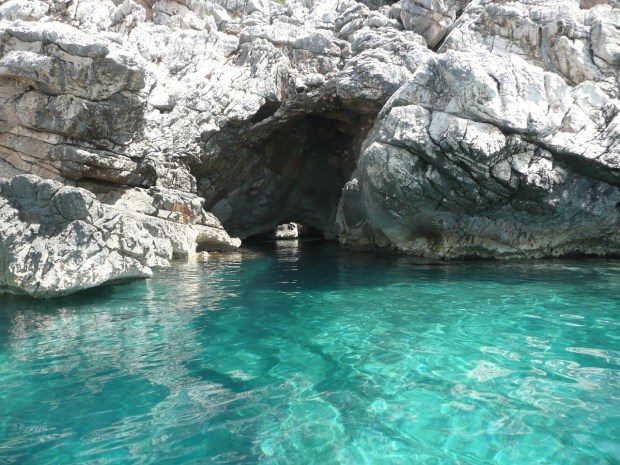
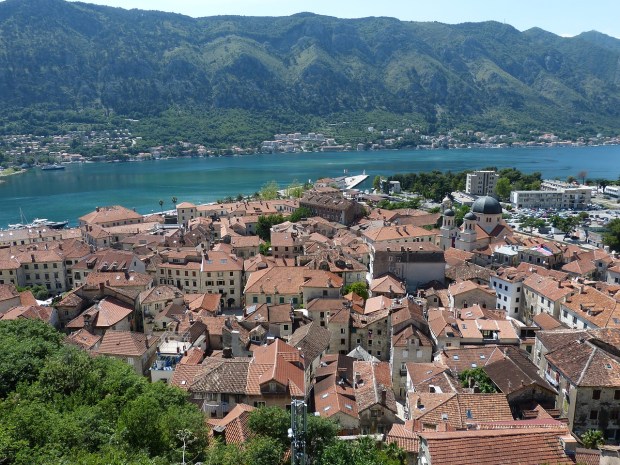
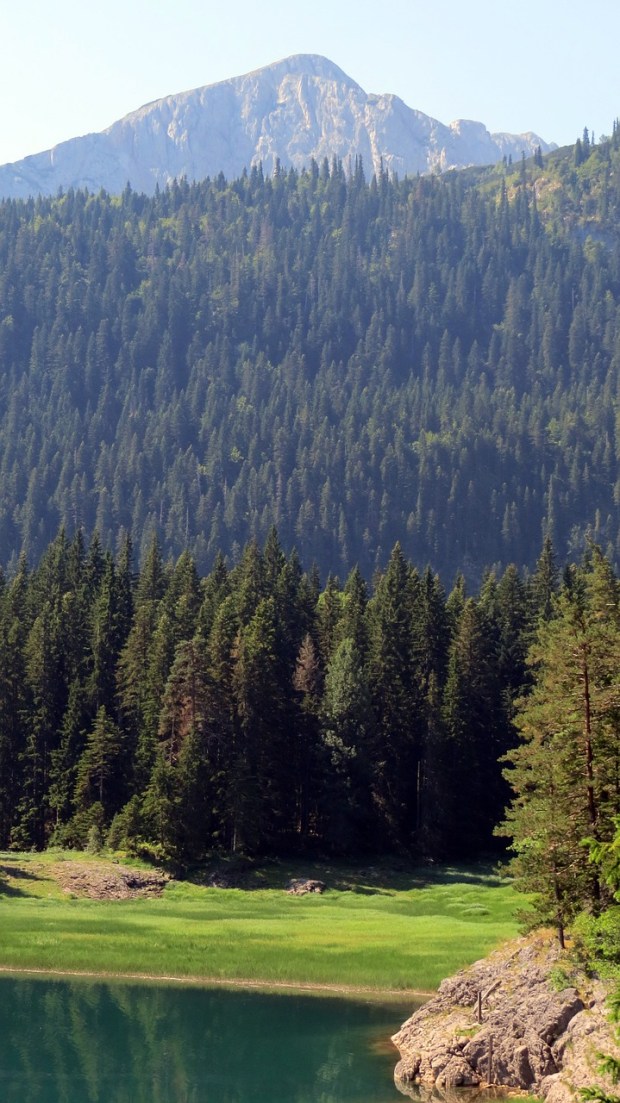
Montenegro is considered one of the fastest-growing tourist destinations with 1.7 million visitors in 2015. National Geographic Traveler features Montenegro among the “50 Places of a Lifetime”. It has a coastline of 293 km with over 120 beaches and 3 Unesco world heritage sites; the Historical Region of Kotor, Stećci Medieval Tombstones Graveyards and Durmitor National Park.
Traditional Montenegrin cuisine has influences from Italian, Turkey, Serbia and Croatia. Popular dishes include Jagnjeća Supa (Lamb broth), Brav u miljeku (lamb cooked in milk), Čorbast Pasulj (bean stew with smoked ribs), Priganice (fritters or flat doughnuts) and Sac (meat slow roasted in ashes under an iron dome). I opted to cook Balšica tava (Veal in Royal Sauce). Randomly, we had this for breakfast, I’m not entirely sure why we thought it would be a good idea, perhaps because it has eggs in it and some recipes suggested it was like an omelette! Had we walked some of the Montenegrin mountains and worked up an appetite, I think this dish would be a pleasant reward, however the watery texture wasn’t really our cup of tea.
Rating: 6/10
Serves: 1 as a main, 2 as a light snack
Prep time: 10 minutes
Cook time: 20 minutes
Pre heat the oven to 200°C
Cut the veal into approximately 50g chunks, add to a saucepan along with the vegetables and bayleaf
Cover the contents of the pan with water and add 1/2 tsp salt
Bring to a boil, reduce to a simmer, then cook for about 15 minutes
Drain through a sieve, then place in a small oven proof pan and drizzle the melted butter over the top
Place in the oven and roast for about 8 minutes
Meanwhile, make the “royal sauce” by whisking together the eggs, milk and cream
Pour over the meat, until completely covered then return to the oven and cook for 7 minutes
Finish it under the grill for a few minutes to give it colour
Sprinkle with the chopped parsley and serve
Ingredients for Balšica tava (Veal in Royal Sauce)Balšica tava (Veal in Royal Sauce)Balšica tava (Veal in Royal Sauce)Balšica tava (Veal in Royal Sauce)Kotor MontenegroDurmitor National Park MontenegroBudva Montenegro
Ethiopia is a landlocked country in the northeast African region known as the Horn of Africa. It is the only African nation that has never been colonised. It is the most populous landlocked country in the world and it’s population has grown from 33.5 million in 1983 to 87.9 million in 2014. The population is forecast to grow to over 210 million by 2060. According to WaterAid UK over 44 million people (more than half the population) do not have access to clean water.
Most Ethiopians are farmers and herders. Deforestation, drought, and soil degradation have caused crop failures and famine during the past few decades. At the beginning of the 20th century, around 35% of Ethiopia’s land was covered by trees, but research indicates that forest cover is now approximately 11.9% of the area. It produces more coffee than any other nation in Africa and remains it’s most important export.
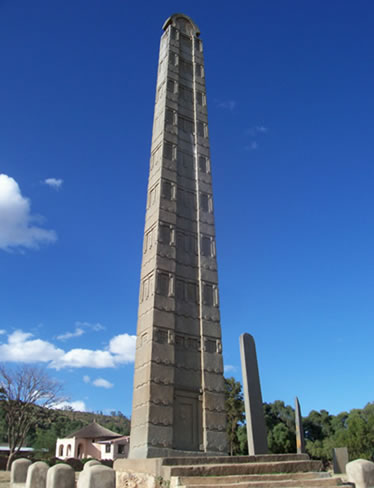
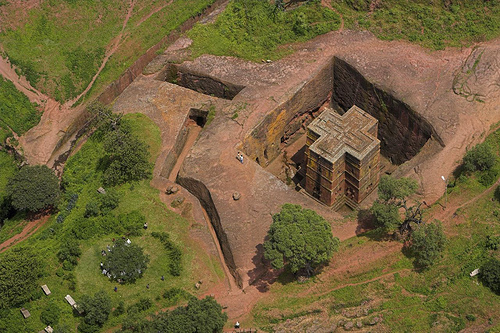
With 9 altogether, Ethiopia has the most UNESCO World Heritage Sites in Africa. These include the ruins of the city of Aksum, dating from the 1st to the 13th century; the fortified historic town of Harar Jugol containing 82 mosques; the Lower Valley of the Awash, where the oldest fossil skeleton of a human was found (called Lucy) dated back to 3.2 million years ago and Lalibela, where there are 11 medieval cave churches from the 13th century.
Typical Ethiopian cuisine includes Injera (spongy flatbread), Wat (spicy stew), Tibs (fried meat with vegetables) and Kitfo (raw beef marinated in spice). Some other recipes I came across were Sambusa (fried & filled dough pastry), Yekik Alicha (yellow lentils with turmeric sauce) and Doro dabo (chicken bread). I made Misir Wot (spicy lentil stew) which contains 2 traditional Ethiopian ingredients – niter kibbeh (spiced butter) and berbere (spice blend). It it usually served with injera, but we had it on it’s own and thoroughly enjoyed it. We felt it would work equally well with some roast lamb.
Rating: 9/10
Serves: 1 or 2 as a side dish
Prep time: 40 mins
Cook time: 40 mins
1/2 cup red lentils
2 tbsp niter kibbeh or unsalted butter
1/2 small onion, finely chopped
2 cloves garlic, finely chopped
1 tbsp berbere spice blend
1 small tomato, cored and chopped or a few cherry tomatoes, chopped
Salt, to taste
For the niter kibbeh
120g butter
1/2 tsp grated fresh ginger
1/4 tsp ground turmeric
seeds from 1 cardamom pod
1/4 cinnamon stick
pinch of ground nutmeg
1 small whole clove
1/2 small garlic clove, peeled and finely chopped
Rinse the lentils in a sieve under cold running water and set aside
Heat the butter in a medium saucepan over medium heat
Add the onions and cook, stirring occasionally, until golden brown, about 10 minutes
Add the garlic and cook, stirring constantly, until fragrant, about 30 seconds
Add the reserved lentils, 1/2 tbsp of the berbere spice blend, tomato, and 2 cups water to the saucepan
Reduce heat to medium-low and simmer, stirring occasionally, until thick and the lentils are tender, 25 – 30 minutes
Stir in the remaining berbere and season generously with salt
Serve immediately
For the niter kibbeh
Melt the butter and heat it until it foams. At this point add the other ingredients. Reduce the heat and simmer very gently for about 20 minutes. Do not stir. This will separate out the milk solids, leaving a clear butter mix on top
Cool the mixture, strain a few times through a sieve or muslin and discard the milk solids
You can store the spiced butter in the fridge in a sealed jar and use as desired.
For the berbere spice blend
Combine fenugreek seeds, peppercorns, and cloves in a small frying pan. Heat over medium high heat until fragrant and toasted, about 3 minutes. Do not burn. Set aside.
Grind the crushed chillies in a pestle and mortar. Add the toasted spices and grind until fine.
In a medium bowl, combine the ground toasted spice mixture with the remaining ingredients. Mix together until well blended.
Store in an airtight container.
Ingredients for Misir Wot (spicy lentil stew)
Ingredients for Berbere spice blend
Making the niter kibbeh (spiced butter)
Berbere spice blend
Misir Wot (spicy lentil stew)
Misir Wot (spicy lentil stew)
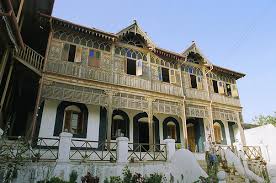
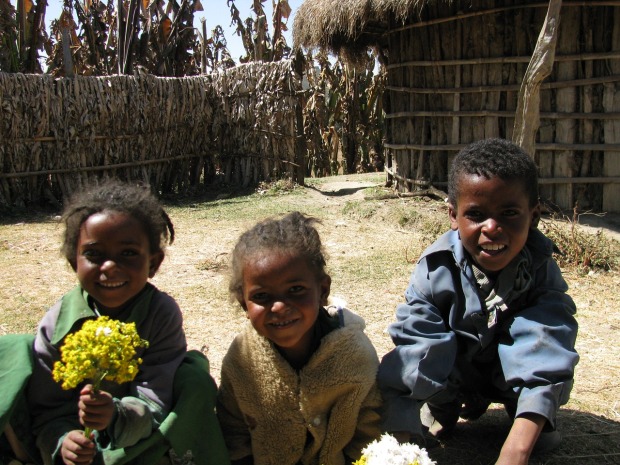
Obelisk at Aksum, EthiopiaLalibela, EthiopiaHarar Jugol, EthiopiaEthiopian village children
Gabon, independent from France since 1960 is a country on the west coast of Central Africa. It was politically dominated by one of the longest serving heads of state in the world, President Omar Bongo who led the country from 1967 until his death in 2009 when his son, Ali Bongo, took power. The economy, which was dependent on timber and manganese, until oil was discovered in the 1970s, is one of the highest in Africa.
In 2002, President Omar Bongo designated that roughly 10% of the nation’s territory was to be part of its national park system (with 13 parks in total), one of the largest proportions of nature parkland in the world. The largest of the parks is Minkébé National Park in the northeast, which the WWF have been actively working to protect since 1997. The forest elephant is particularly important to the park and is believed by the WWF to contain one of the largest populations in Africa. It has been proposed as a World Heritage Site. Another of Gabon’s parks is Loango National Park, part of the African lagoon system and considered the jewel of Africa’s west coast. After South Africa, the world’s largest concentration and variety of whales and dolphins can be found off the Loango coast.
Gabonese cuisine includes food staples of cassava, rice and yams and there are notable French influences. Recipes I came across were Gabon mustard chicken, Cucumber salad, Baked bananas, Gari (manioc porridge) and Dongo dongo (vegetable and smoke-dried fish stew). I made the popular dish of Chicken Nyembwe (chicken with palm oil), which I served with rice. I was slightly alarmed by one recipe I found which suggested ‘some people may need to take a diarrhoea tablet after consuming this dish’, but thankfully we weren’t affected! It had quite a sweet tasty flavour.
Rating: 7/10
Serves: 2
Prep time: 15 minutes
Cook time: 1 hour
4-6 chicken pieces (bone in)
1 tbsp vegetable oil
3 tbsp or 40g palm oil (available from African/Asian supermarkets)
1 small onion, chopped
1 garlic clove, finely chopped
1 large yellow pepper, chopped
1 large tomato, sliced
2 Maggi cubes or vegetable stock cubes
3/4 cup water
salt and pepper (to taste)
1 bay leaf
Season the chicken pieces with salt and pepper
Fry the chicken in the vegetable oil in a casserole dish until brown all over, about 6 – 8 minutes, then set aside and cover
In the same dish fry the onion and garlic in the palm oil for a few minutes
Add peppers, tomato, salt, Maggi cubes and water
Bring to the boil and then simmer for 30 minutes
Add the chicken pieces to the dish cover and continue to simmer for 15 – 20 minutes
Serve with steamed rice
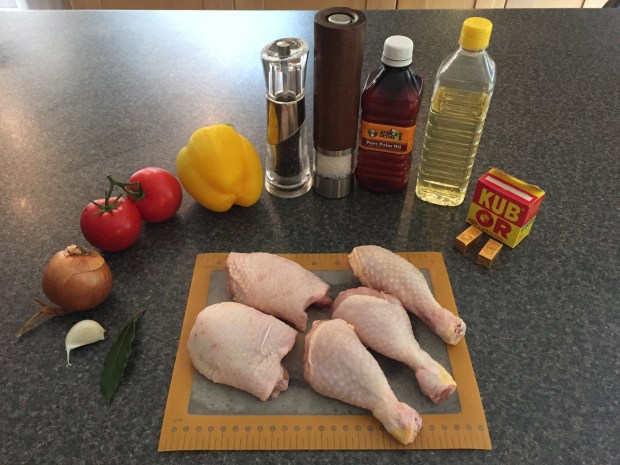
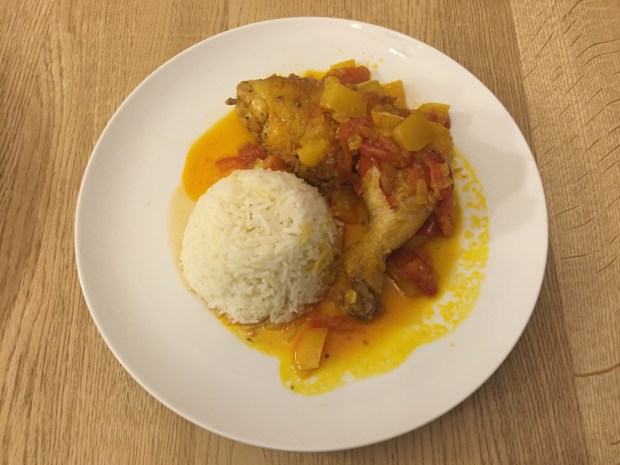
Ingredients for Chicken NyembweChicken NyembweChicken NyembweChicken Nyembwe with riceLoango National Park Gabon
The State of Qatar is the richest country in the world, thanks to it’s natural gas and oil reserves. It is surrounded by the Persian gulf and shares its only land border with Saudi Arabia. A bridge has been in the planning since 2008 to link Qatar and Bahrain, known as the Qatar Bahrain Friendship Bridge at a cost of $5 billion. Construction was due to start in 2009 but as of Jun 2015 work still hadn’t started and according to Bahrain’s foreign minister it is unlikely to complete much before Qatar host the 2022 Fifa World Cup, the first time it will be held in an Arab nation. Qatar’s football team has never qualified for the World Cup.
The legislation of Qatar is based on a mixture of civil law and Islamic Sharia Law. Blasphemy is punishable by up to seven years in prison, Homosexuality is a crime punishable by the death penalty and drinking alcohol in public may incur a sentence of between 40 and 100 lashes. In 2014 they launched a modesty campaign to remind tourists of the modest dress code. This could prove challenging for the western visitors to the World Cup in 2022.
With no income tax, Qatar’s unemployment rate as at Jun 2013 was 0.1% and approximately 14% of households are dollar millionaires. It relies heavily on foreign labour to grow the economy and 96% of the workforce are migrant workers. With annual tourist visits of 2.9m in 2015, the Qatar Tourism Authority has set an ambitious goal of 7.4 million by 2030. Lonely Planet’s highlights include the Museum of Islamic Art, Al Corniche waterfront promenade and Souq Waqif.
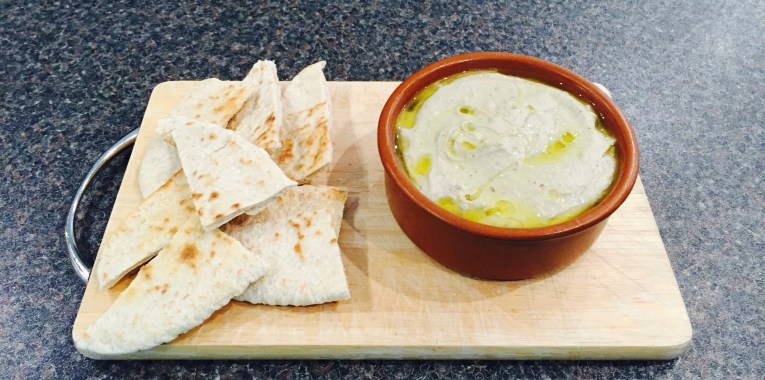
Popular Qatari dishes include Qashid (swordfish and rice), Margooga (vegetable stew), Mathrooba (stewed meat and beans), Machbous (rice with mutton or chicken), Om Ali or Umm Ali (bread and rice pudding) and Harees (whipped wheat). I opted to make Motabel (aubergine dip) which was pretty simple to make but I overdid it with the garlic and tahini. I’ve reduced the quantities in the recipe below.
Rating: 5/10
Serve: 2 as a snack
Prep time: 15 minutes
Cook time: 30 – 40 minutes
1 aubergine
1 level tbsp tahini
1 tbsp olive oil
1 small clove garlic mashed to a paste with a sprinkling of salt
2 tbsp lemon juice
1 green chilli pepper, seeds removed and chopped
Freshly ground pepper
Preheat the oven to 200c and roast the aubergine for 30~40 minutes
Let the aubergine cool for 15 minutes, then remove the charred skin and chop or mash the flesh in a bowl
In a blender, combine the garlic, tahini and chilli and blend to a coarse paste
Add the mashed aubergine, olive oil, salt and pepper to taste and blend until smooth
Stir in lemon juice and drizzle a little olive oil on top
Serve as dip with toasted pitta bread
The Kingdom of Saudi Arabia was founded in 1932 by Ibn Saud, who is known within the Arab world as Abdul Aziz. As King, he presided over the discovery of petroleum in Saudi Arabia in 1938 and the beginning of large scale oil production after WWII. In accordance with the customs of his people, Abdul Aziz headed a polygamous household. He had 22 wives and almost a hundred children. Of his 45 sons, 6 went on to become king.
Saudi Arabia has since become the world’s largest oil producer and exporter, controlling the world’s second largest oil reserves. It relies on the oil industry for almost half of its GDP.
The percentage of Saudi Arabia’s population that is female is one of the lowest in the world. Women are not permitted to drive, open bank accounts, work, travel or go to school without the express permission of a male guardian. In December 2015, women were allowed to vote for the first time, and 979 women ran for office.
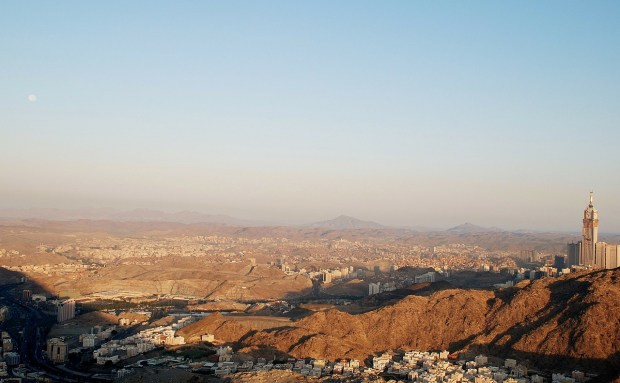
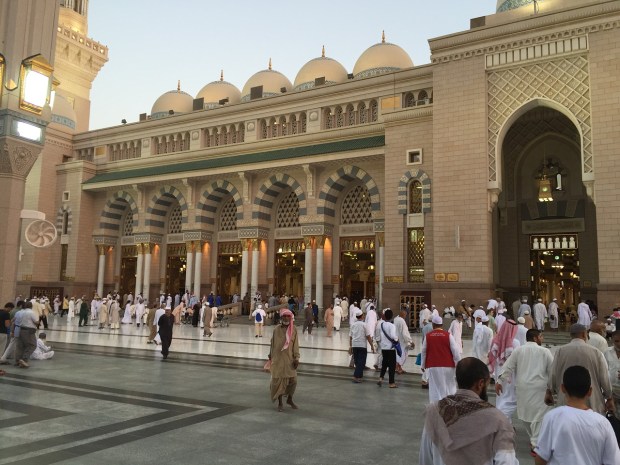
Saudi Arabia is the birthplace of Islam and home to Islam’s two holiest shrines – Mecca (where the Prophet Muhammad received the word of Allah), and Medina (where Muhammad died in A.D. 632). One of the five pillars of Islam is performing Hajj, by traveling to Mecca, Saudi Arabia, at least once. Approximately two million people a year make the pilgrimage.
The cuisine of Saudi Arabia has been influenced by Turkish, Indian, Persian, and African food. Pork is not allowed due to Islamic dietary laws. Popular dishes include Khouzi (lamb stuffed with chicken that is stuffed with rice, nuts and sultanas), Shawarma (meat kebab), Kabsa (meat and vegetables with rice), Markook or Shrak (flatbread), Saleeg (white rice cooked in broth) and Murtabak (stuffed pancake). I opted to make the simple but tasty Dajaj Mashwi (Arabian grilled chicken) which I served with aioli and a mixed salad.
Quick aioli dip
4 garlic cloves, pressed
1/2 tsp coarse sea salt
1 cup mayonnaise
2 tbsp olive oil
2 tbsp fresh lemon juice
Fresh ground black pepper
Using a mallet, flatten the chicken breasts and place them in a plastic bag
Add all the spice powders to the bag with the lime juice and olive oil
Let the chicken marinate in the fridge for about an hour
Place the chicken breasts in foil and wrap well
Cook them on a hot BBQ for 15 – 20 minutes, then remove from the foil and cook directly over the heat for 5 minutes to give them some colour
Serve hot, with aioli and mixed salad
Quick aioli dip
Mash garlic with 1/4 teaspoon salt in small bowl until paste forms
Whisk in mayonnaise, olive oil, and lemon juice
Season to taste with coarse sea salt and freshly ground black pepper
Ingredients for Dajaj Mashwi (Arabian grilled chicken)Dajaj Mashwi (Arabian grilled chicken)Dajaj Mashwi (Arabian grilled chicken)Dajaj Mashwi (Arabian grilled chicken)Mecca, Saudi ArabiaMedina, Saudi Arabia
I visited Kenya for a holiday over 20 years ago and was fortunate to enjoy a 2 day safari in Tsavo East National Park. It was my first experience of seeing elephants, giraffe and lions in their natural habitat and it took my breath away. I remember staying overnight in a little round hut on stilts in the middle of the park, listening to the intriguing sounds of the animals during the night. It was a truly wonderful experience.
Tsavo East is the oldest and largest of Kenya’s national parks, open since 1948. Famous for the Tsavo lions, a population of lions, where adult males often lack manes entirely.
Other highlights of Kenya include the annual migration of wildebeest across the Masai Mara, views of Mount Kenya, sipping a cold Tusker beer watching the sunset, beautiful beaches at Kikambala (where my mum has always wanted to go), Lamu and Watamu.
The Kenyan food staple is ugali (cornmeal paste) usually served with stewed meat and/or vegetables. There are different varieties of cuisine based on the region. In Central Kenya popular ingredients are ngwaci (sweet potatoes), ndũma (taro root, known in Kenya as arrowroot), ikwa (yams), and mianga (cassava). In the western area near Lake Victoria favourites are Gweno (chicken), Aliya (sun dried meat), Onyoso (a type of ant), and Dede (grasshoppers). Other recipes I came across include Ingoho (luhya-style chicken), Githeri (beans and corn), Sukuma Wiki (collard greens or kale) and Mutura (Kenyan sausage). I decided to cook Nyama Choma (grilled meat) which I served with Kachumbari (Tomatoes and Onions) as is tradition. It is a very popular dish across Kenya and it seems there is usually someone in the family who is ’the grill pro’ and is in charge of ensuring it doesn’t burn. We also had some roasted potatoes too. It went down a storm, particularly the Kachumbari, which I had made before for Chad so twice it has scored 10/10!
For the Nyama Choma
2 chicken breasts on the bone, cut in half
4 small chicken thighs on the bone
800g beef short ribs
juice of 1 large lemon – approx 100ml
100ml light soy sauce
150ml olive oil
1 inch fresh ginger, grated
2 large garlic cloves, bashed
A few fresh rosemary sprigs, roughly chopped
A few fresh thyme sprigs, roughly chopped
For the Kachumbari
20 cherry tomatoes, halved
1 small red onion
1 red chilli, deseeded and finely chopped
Juice of 1 lime
2 tbsp olive oil
Salt and black pepper
3 tbsp fresh coriander, chopped
1 ripe avocado, sliced
For the Nyama Choma
Add the lemon juice, soy sauce, olive oil, fresh ginger, garlic, herbs, salt and pepper to a bowl and whisk until well blended
Put your chicken into a sealable bag and your beef ribs into a separate sealable bag
Divide the marinade equally between the chicken and the beef and place the sealed bags in the fridge for 3 hours
When ready to cook, light your bbq and cook the meat until it is gently charred but not black!! Approximately 5 – 10 minutes
Wrap the beef and chicken pieces in separate pieces of foil along with any marinade mix that’s left and leave them in the foil on the bbq for 25 minutes
Take them out of the foil and place them directly on the heat for a few minutes to give them a good colour
Let the meat rest for 5 minutes and then serve with the Kachumbari and roasted potatoes
For the Kachumbari
Slice the onions thinly and put them in a small bowl of salted water for 15 minutes, then rinse through with cold water
Put the onions into a salad bowl, along with the tomatoes, chilli and coriander
In a jug mix together the lime juice and olive oil with some salt and pepper
When ready to serve, garnish with the slice avocado and pour over the dressing
The Republic of Macedonia or the former Yugoslav Republic of Macedonia as it is classified by the UN, is a landlocked country in the Balkan peninsula. There is an ongoing dispute with Greece about it’s name due to the northern part of Greece being called by the same name.
Archaeological evidence shows that old European civilization flourished in Macedonia between 7000 and 3500 BC. Alexander the Great, who was king of the former Kingdom of Macedonia, extended his empire across Greece and Persia to India and Egypt. During his time, the Kingdom of Macedonia was the most powerful state in the world; but after his death, the empire fell apart and it became the first Roman province in 146 BC.
Macedonia has three large lakes – Lake Ohrid, Lake Prespa and Dojran Lake. Lake Ohrid is considered to be one of the oldest lakes in the world, estimated at 4 million years old. It is a mountainous country with two different ranges – the younger and higher Šar Mountains and the older mountain chain of Osogovo–Belasica. Other tourist highlights include exploring the capital Skopje’s bazaar, the Roman remains at Treskavec Monastery, the 13th century Church of Sveti Jovan at Kaneo and wine tasting in Tikveš Wine Region.
Notable Macedonian dishes include Tavče Gravče (Bean Stew), Šopska salad, Pastrmajlija (Macedonian Pizza), Burek (savoury filled pastry), Sarma (cabbage rolls), Selsko Meso (roast meat with mushrooms, wine and cheese) and Kifli (bread rolls). I opted to make Kjoftinja (meatballs) with aioli dip which I served as a snack to accompany drinks to celebrate my birthday! My family all really enjoyed them and the only criticism (from my nephew) was that they weren’t uniformly round!
Rating: 9/10
Makes 44
Prep time: 30 minutes
Cook time: 30 minutes
500g ground beef
300g ground pork
1/2 cup onion, finely chopped
1 tbsp garlic, finely chopped
salt and pepper to taste
1/2 tsp dried oregano
1 tbsp fresh mint, chopped
2 slices white bread
1/2 cup white wine
1 egg
flour for rolling
vegetable oil for frying
chopped parsley
Quick aioli dip
4 garlic cloves, pressed
1/2 tsp coarse sea salt
1 cup mayonnaise
2 tbsp olive oil
2 tbsp fresh lemon juice
Pepper
Remove crusts from bread slices and soak them in a bowl with the wine
Mix together the beef and pork mince, onion, garlic, salt, pepper, oregano, and mint
Add the bread and egg and knead the mixture to blend well together (you can put the mix in the fridge if you’re not ready to cook them yet)
Preheat the oven to 160
Shape into 1-inch balls, dust with flour, and fry in hot vegetable oil for at least 10 minutes, taking care not to burn them
When meatballs are browned on all sides, place in them in the oven on a covered tray for 10 minutes
Sprinkle with chopped parsley and serve with aioli dip
Aioli dip
Mash garlic with 1/4 teaspoon salt in small bowl until paste forms
Whisk in mayonnaise, olive oil, and lemon juice
Season to taste with coarse salt and pepper
Ingredients for Kjoftinja (meatballs)
Kjoftinja (meatballs)
Kjoftinja (meatballs)
Frying the Kjoftinja (meatballs)
Kjoftinja (meatballs) with aioli dip
Church of Sveti Jovan at Kaneo overlooking Lake OhridSkopje square
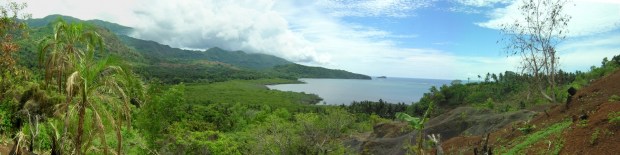
A volcanic archipelago off Africa’s east coast, the Comoros are situated in the Indian Ocean and consists of three major islands – Grande Comore, Mohéli and Anjouan as well as numerous smaller islands. It has a claim on a fourth major island, Mayotte (Maore), though Mayotte voted against independence from France in 1974, it has never been administered by an independent Comoros government, and continues to be administered by France. The Comoros have been called the “perfumed islands” for their fragrant plant life including frangipani, jasmine, and lemongrass and they are also known for their great scenic beauty.
Agriculture, including fishing, hunting, and forestry, is the leading sector of the economy. It contributes 40% to GDP, employs 80% of the labor force, and provides most of the country’s exports. Economic growth and poverty reduction are major priorities for the government. Customary oral law includes sanctions against disrespect toward elders, disobedience, theft, and adultery. Until a fine is paid in money or cattle, a convicted person is banished, and he and his family are cut off from the village’s social life.
Since independence there have been a number of coups and attempted coups with various heads of state assassinated. In 1997 the islands of Anjouan and Mohéli declared independence, but a new federal constitution in 2001 brought the islands back together.
Despite it’s beautiful beaches, virgin rainforests and historical architecture, a holiday in the Comoros isn’t for everyone. Everything moves ‘mora mora’ (slowly slowly), tourist facilities aren’t plush, women are expected to cover up and alcohol is a no no, but if you’re feeling brave and up for somewhere exotic it may be for you.
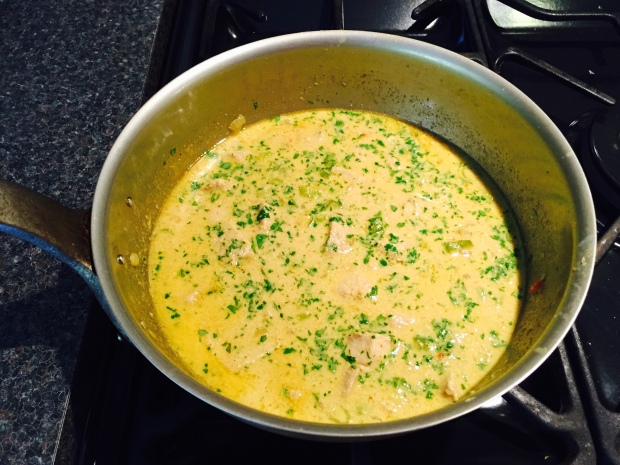
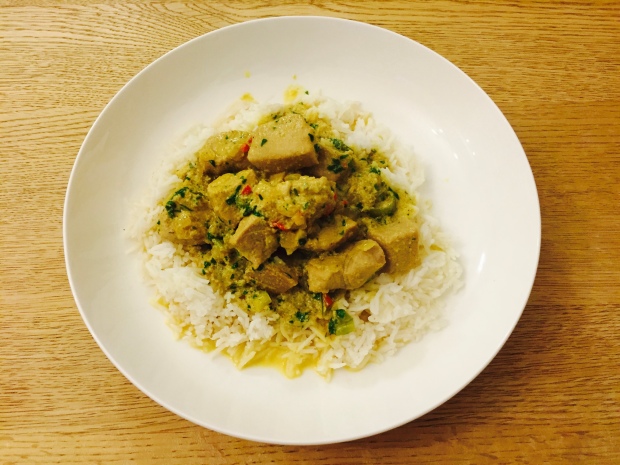
Rice is the staple daily diet with manioc, root vegetables, plantains, fish and coconut milk. It was quite tricky finding authentic Comorian recipes but these were a few I came across; Langouste a la vanilla (Lobster with Vanilla Sauce), M’tsolola (Green plantains with fish in coconut milk), Donas (doughnuts) and Mkatra siniya (rice and coconut cake). I made Poulet au Coco (Comorian coconut chicken) which was really simple to make, had a great flavour and went well with the Zimbabwean peanut butter rice. Steamed rice would work equally well.
2 chicken breasts cubed
juice of 1/2 lemon
1/2 tsp cumin
1/2 tsp turmeric
salt and pepper
1/2 onion, finely chopped
1 garlic clove, crushed
3 cherry tomatoes, peeled and chopped
160ml can of coconut cream
1/4 cup water
fresh coriander leaves, roughly chopped
Mix lemon juice, turmeric and cumin, salt and pepper together in a plastic bag with the chicken cubes and leave in the fridge for a couple of hours
In a frying pan, add a little oil and fry the chicken gently without browning for about 5 – 7 minutes
Add the onion, garlic and tomato, stir well and cook for a few minutes
Add the coconut cream and 1/4 cup of water and bring it to a rolling simmer
Let it simmer away until the chicken is cooked and the sauce has reduced, about 15 – 20 minutes.
If the sauce has thickened too much, you can add a little more water
Sprinkle with coriander and serve with rice
Ingredients for Poulet au Coco (Comorian coconut chicken)
Marinading the Poulet au Coco (Comorian coconut chicken)
Cooking the Poulet au Coco (Comorian coconut chicken)
Poulet au Coco (Comorian coconut chicken)
Poulet au Coco (Comorian coconut chicken) with Zimbabwean peanut butter rice
Poulet au Coco (Comorian coconut chicken) with Zimbabwean peanut butter rice







































 A Year Cooking the World