Brazil

Brazil, the world’s fifth largest country and the largest in South America. With a coastline of 4,655 miles it borders all other South American countries except Ecuador and Chile.
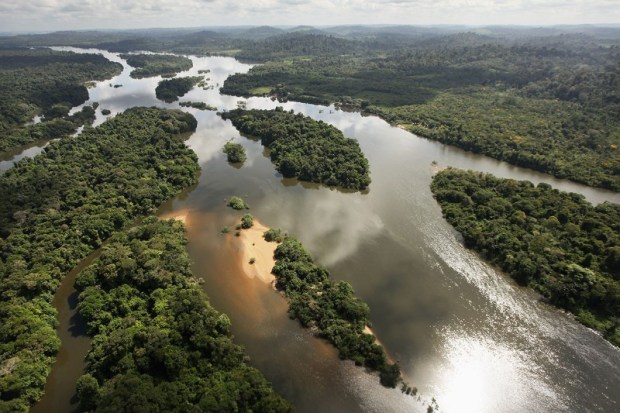
The Amazon rain forest is the world’s largest, recognised as having the greatest biological diversity in the world, containing one-fifth of the world’s freshwater reserves and producing one-third of the earth’s oxygen. About sixty percent of the Amazon lies in Brazil.

Some interesting facts:
Brazil has been the largest producer of coffee for the last 150 years
92% of all new sold cars in Brazil use ethanol as fuel, which is produced from sugar cane
Voting is mandatory in Brazil
Brazil has the third largest prison population in the world behind China and the US
Brazil is the only country in the world that has the equator and the Tropic of Capricorn running through it
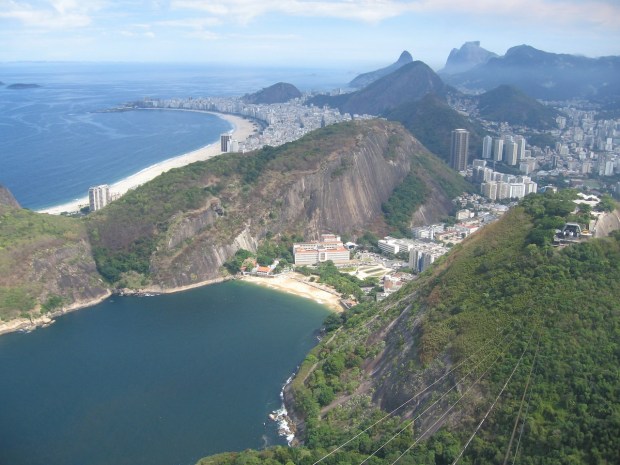
Rio de Janeiro was once the capital of Portugal
Sex change surgeries are free under Brazil’s public health system since 2008 and almost 20% of Rio de Janeiro’s males are gay or bisexual

Rio de Janeiro will be the first South American city to host the Olympic Games and Paralympic Games. The 2016 Summer Olympics will take place from the 5th – 21st August. More than 10,500 athletes from 206 countries, including first timers Kosovo and South Sudan are due to take part. The games will feature 28 Olympic sports with 306 sets of medals, across 38 different venues.

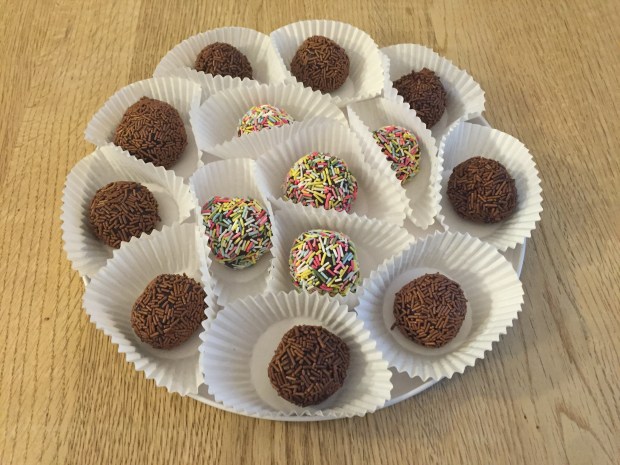
Brazilian cuisine varies greatly by region, developed from indigenous, European, and African influences. Recipes I came across include Moqueca (seafood stew), Feijoada (black beans stewed with pork), Salgadinhos (salty snacks), Pastel (filled pastry), Pão de queijo (cheese puffs), Galinhada (chicken and rice stew) and Churrasco (barbequed meat) . Having not cooked many sweet dishes during this challenge, I opted to make Brigadeiros (Brazilian chocolate bonbons), the national truffle of Brazil. There were a fair few tasting volunteers for these little sweet treats!

Rating: 9/10

Serves: Makes 20 – 28 (depending on size)
Prep time: 25 mins
Cook time: 5 mins

1 (397g or 14oz) can sweet condensed milk
4 tbsp cocoa powder, sifted
30g butter, plus a little more for rolling balls
pinch of salt
Good quality chocolate sprinkles

In a small sauce pan mix the sweet condensed milk, the cocoa powder, the salt and the butter
Bring the sauce pan to the stove and heat it over medium-low heat
Cook it, mixing constantly (this is important, otherwise it will burn!) until it thickens, about 5 minutes
Run your wooden spoon (or spatula) through the middle of the mixture. If it takes a while for the mixture to move, then your brigadeiro is ready
Let it cool to room temperature
In a plate or bowl, spread your sprinkles
Once cool, grease your hands with butter and roll the brigadeiros into little balls. Use half a tablespoon as measurement, but you can make your balls as big or small as you’d like!
Roll the brigadeiro balls into the sprinkles and place them in paper/foil candy cups
Enjoy!

IMG_0470
Ingredients for Brigadeiros (Brazilian chocolate bonbons)
IMG_0473
Brigadeiros (Brazilian chocolate bonbons)
IMG_0476
Brigadeiros (Brazilian chocolate bonbons)
Rio De Janeiro2
Rio de Janeiro, Brazil
Amazon rainforest
Amazon rainforest
Sancho Bay in Fernando de Noronha Archipelago, Tripadvisor worlds' best beach in 2014
Sancho Bay in Fernando de Noronha Archipelago, TripAdvisor world’s best beach in 2014


Australia

In 2002, I spent a few months travelling in Australia and had the pleasure of spending my 30th birthday in the small town of Broome in Western Australia. We rode camels on Cable beach, swam in the crystal clear water and ate Barramundi for dinner! Western Australia is less popular than the busy resorts on the eastern coast such as Byron Bay, The Whitsundays and The Gold Coast, but has so many beautiful places to explore. Just a few of my highlights include trying my hand at surfing (and failing epically) on Exmouth beach, tasting amazing wine in Margaret River, hiking in Kalbarri National park and dining out in the fabulous restaurants of Perth.

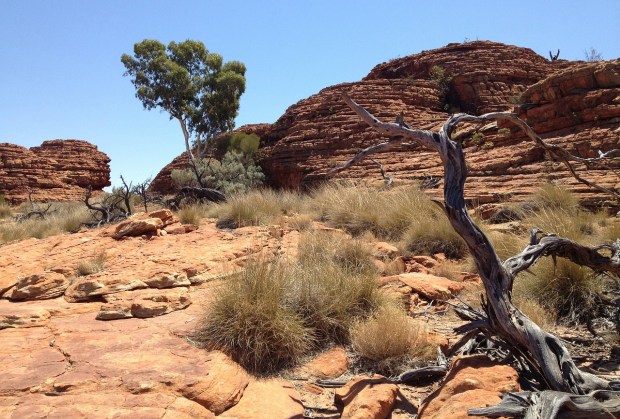
The Commonwealth of Australia is the world’s sixth largest country by land area and the world’s smallest continent. Inhabited by indigenous Australians potentially as far back as 125,000 years ago. It is the flattest and driest inhabited continent with the oldest and least fertile soils. The outback makes up by far the largest portion of land. Home to the Great Barrier Reef, the worlds’s largest coral reef system stretching over 2,300km which is visible from outer space. Quite surprisingly it has only the 6th longest coastline in the world at 25,760km, just pipping Norway at 25,148km. Canada has the longest at 202,080km.

Independent from the UK since 1901, it is one of the wealthiest countries in the world and 2nd highest on the human development index, which is measured by life expectancy, education, and income per capita. It generates its income from various sources including mining-related exports, telecommunications, banking and manufacturing. In terms of average wealth, Australia ranked second in the world after Switzerland in 2013.

A few facts:
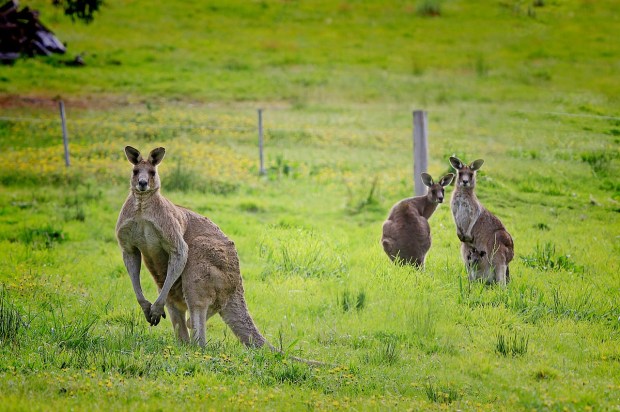
There are more kangaroos in Australia than people!
You could visit a different beach in Australia every day for over 27 years
The Argyle diamond mine in the Kimberley is the world’s biggest producer of natural diamonds and contributes approximately one-third of the world’s natural supply
The Australian wine industry is the world’s fourth largest exporter of wine. Only 40% of production is consumed domestically
Of the top 10 deadliest snakes, 5 of them can be found in Australia, including the most venomous snake in the world, the Inland Taipan

Fortunately for me (and my husband) Australian cuisine has come on a long way since it’s indigenous hunter gatherer diet of ‘bush tucker’, with influences from the British, Mediterranean and East Asian cuisine. Meat is a core component of the Australian diet and the production of meat has been a significant part of Australia’s agricultural economy. Some dishes that are considered traditional Australian fare include Barbecued meat, Chiko rolls (deep fried savoury roll), Anzac biscuits , Damper (soda bread), Lamington cakes and Pavlova. I decided to make Aussie meat pies, served with tomato ketchup, as is tradition. There is actually an annual competition for the ‘Great Aussie meat pie’ which has been going since 1990 and now has 14 different categories. We thoroughly enjoyed ours, but I’m not sure if they were worthy of a competition entry!
Rating: 9/10

Serves: Makes 4 pies

Prep time: 25 mins
Cook time: 1 hour 15 mins

500g beef rump steak, trimmed, chopped
1 tbsp olive oil
1/2 medium brown onion, finely chopped
2 rashers middle bacon, trimmed, chopped
1 tbsp tomato paste
1 tbsp plain flour
1 cup beef stock
1/2 tbsp fresh thyme leaves
2 sheets frozen ready-rolled shortcrust pastry
1 sheet frozen ready-rolled puff pastry
1 egg, lightly beaten
Tomato ketchup, to serve

Grease and line four 7.5cm round pie moulds with the shortcrust pastry, trimming any excess and put in the fridge
Using a food processor, blend the steak until it resembles mince
Heat oil in a large frying pan over medium-high heat
Add the onion and bacon and cook for 3 minutes, stirring occasionally
Add the mince and cook for 5 minutes stirring with a wooden spoon to break up the mince.
Stir in the tomato paste and flour and cook for 1 minute
Stir in the stock and thyme and bring to the boil
Reduce heat to medium-low and simmer for 15 minutes or until sauce has thickened and meat is tender
Season with pepper, remove from heat and let it cool for 10 minutes
Preheat oven to 200°C
Fill the chilled pies cases with the steak mixture and top with puff pastry, trimming any excess
Press the edges together with a fork to seal
Using a small sharp knife, cut a small cross in pie tops
Brush with egg and bake for 25 to 30 minutes or until golden
Serve with tomato ketchup


broome-cable-beach
Camel riding on Cable Beach, Broome
Australian outback
The Australian outback
Kangaroos
Kangaroos in their natural habitat
Great Barrier Reef
The Great Barrier Reef

Maldives

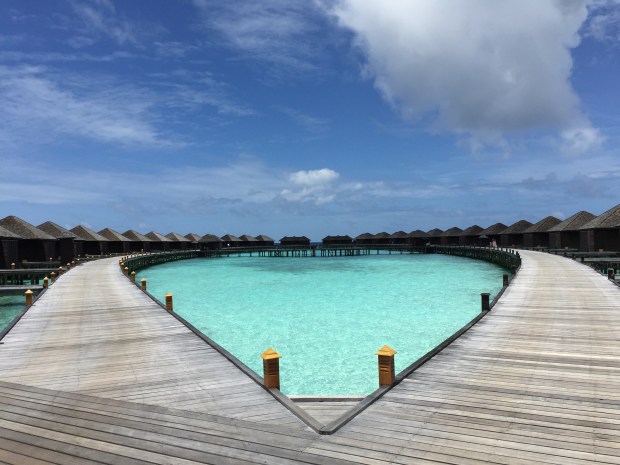
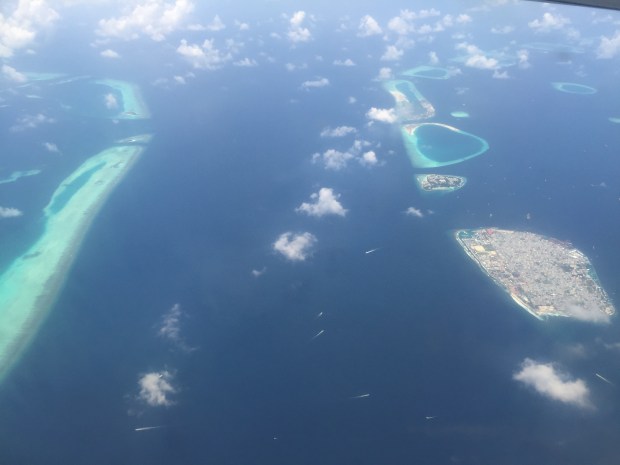
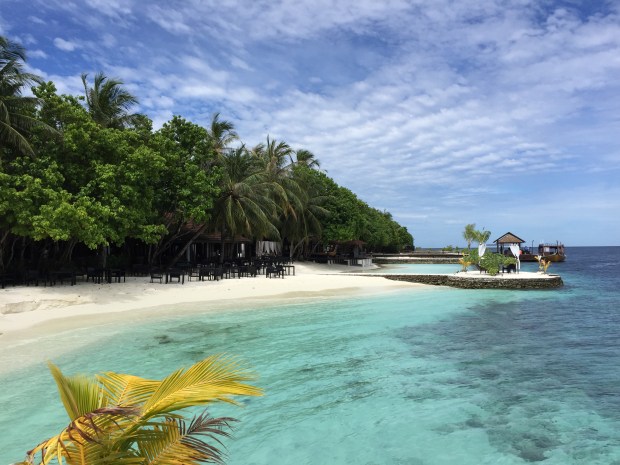
The Maldives, paradise on earth, the most beautiful place on the planet. Well it is in my opinion anyway! I’m extremely fortunate enough to have visited the Maldives several times and I hope to visit many more different islands. The Republic of Maldives is made up of a chain of 26 atolls spread over roughly 90,000 square kilometres. There are 1,192 coral islands in total and the island of Gan is the largest. It is the smallest Asian country in both land area and population. It is also the planet’s lowest country with a maximum and average natural ground level of 2.4 and 1.5 metres above sea level. The UN’s environmental panel has warned that, at current rates, sea level rise would be high enough to make the Maldives uninhabitable by 2100. The government has pledged to make it carbon-neutral by 2019.
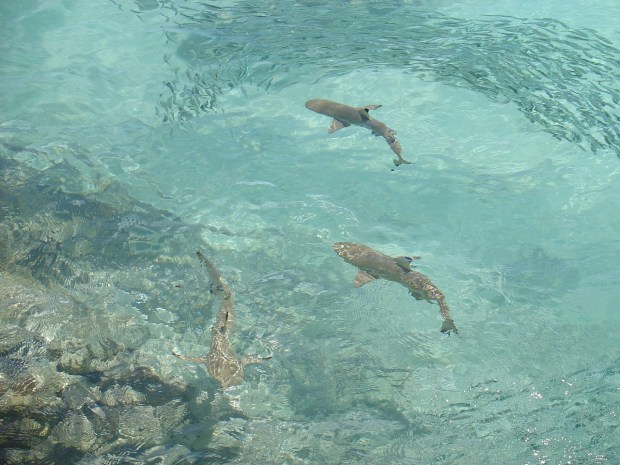
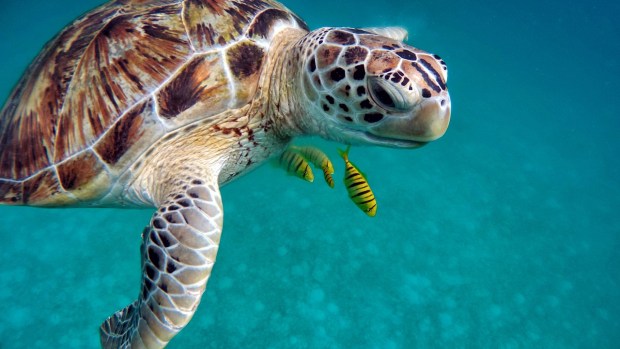
The waters of the Maldives are home to 1100 species of fish, 5 species of sea turtles, 21 species of whales and dolphins, 187 species of corals, 400 species of molluscs as well as over 145 crab and 48 shrimp species.
Only 185 islands are home to its 300,000 inhabitants. The other islands are used entirely for economic purposes, of which tourism and agriculture are the most dominant.
On 26th December, 2004 the Maldives were devastated by a tsunami. Only 9 islands were reported to have escaped any flooding, 14 had to be entirely evacuated and 6 were destroyed. It left more than 100 people dead, 12,000 displaced, and property damage exceeding $400 million. The 2004 tsunami is the deadliest in recorded history.

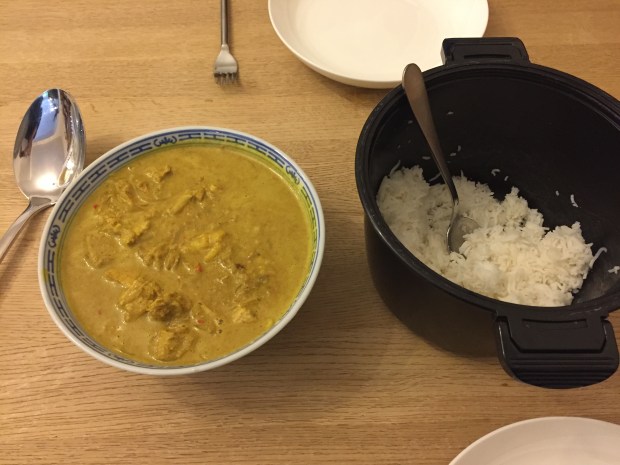
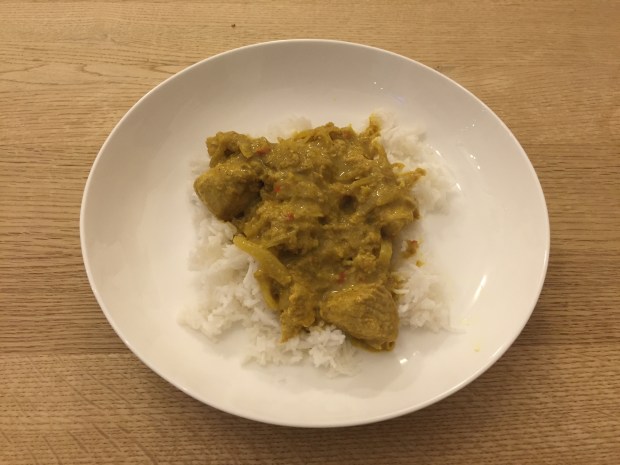
In terms of Maldivian cuisine, the local staple is fish, usually combined with coconut and rice. Popular dishes include Mas Riha (traditional Maldivian tuna curry), Hanaakuri Beef Hiki Riha (roasted beef dry curry), Kukulhu Riha (chicken curry), Mashuni (smoked tuna with coconut served for breakfast) and Kavaabu (fish fritters). I decided to make Dhon Riha (tuna curry) which we had with steamed rice. It had a delicate and tasty flavour.

Rating: 8/10

Serves: 2
Prep time: 20 mins
Cook time: 15 mins

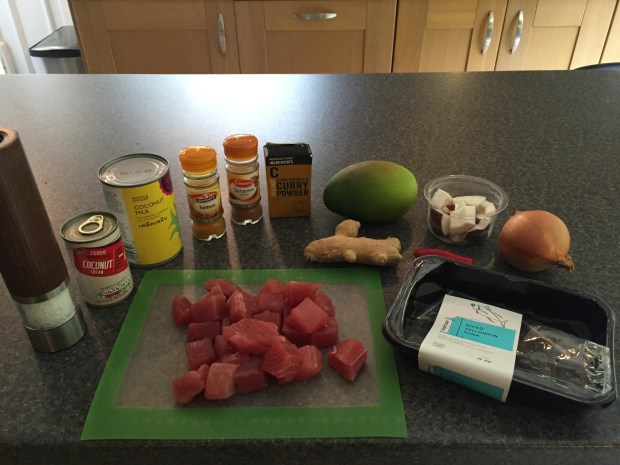
300g diced yellowfin tuna
¼ tbsp turmeric powder
1 inch finely grated ginger
Salt
1 tin coconut milk (don’t shake it!)
1 cup finely grated fresh coconut (either from a whole coconut or you can buy a small tub of coconut pieces which you can grate)
1 finely sliced onion
½ tbsp cinnamon powder
7 tsp mild or medium curry powder
2 pieces of raw mango skinned
½ red chilli pepper

Blend the turmeric powder, salt and grated coconut into a smooth paste
Carefully open your tin of coconut milk and separate the thick cream from the thin juice into different containers
Pour one cup of thick coconut milk and one cup of thin coconut milk into a small saucepan, keeping another cup of thick coconut milk aside
Mix together the cinnamon, ginger and onion in a bowl, then put half of this in the pan with the blended coconut milk
Bring this to boil on a low heat
In a separate bowl, mix the blended grated coconut with the rest of the cinnamon onion mix and stir in the diced tuna
When the coconut milk begins to boil, add the tuna mix, curry powder, chilli pepper, mango and salt
Stir while cooking over a low heat
When it begins to boil, add the other cup of thick coconut milk and let it cook for a few more minutes
Serve with steamed rice

IMG_0400
Ingredients for Maldivian Dhon Riha (tuna curry)
IMG_0409
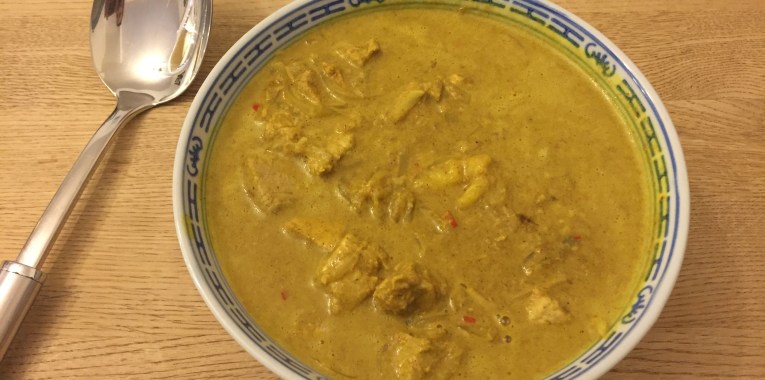
Maldivian Dhon Riha (tuna curry) with steamed rice
IMG_0412
Maldivian Dhon Riha (tuna curry) with steamed rice


IMG_5107
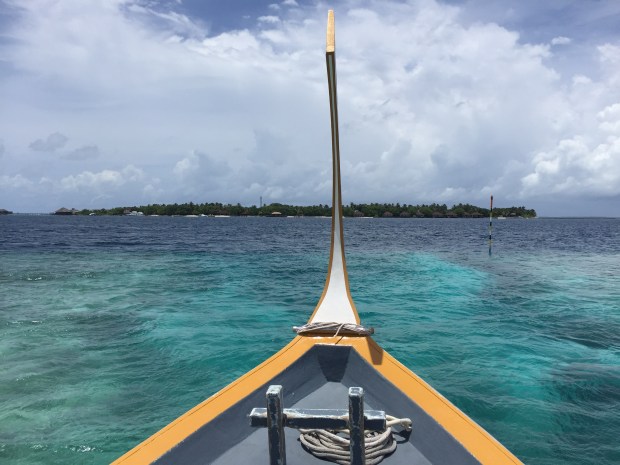
Approaching Lily Beach resort
IMG_5246
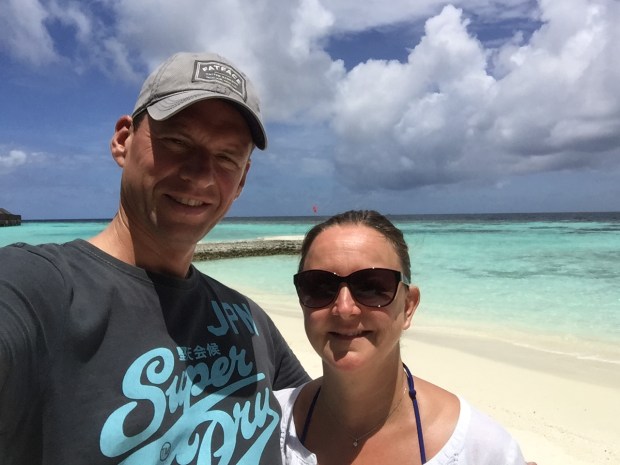
Bern and I at Lily Beach resort
IMG_5258
Lily Beach resort
IMG_5490
View from the seaplane
IMG_5636
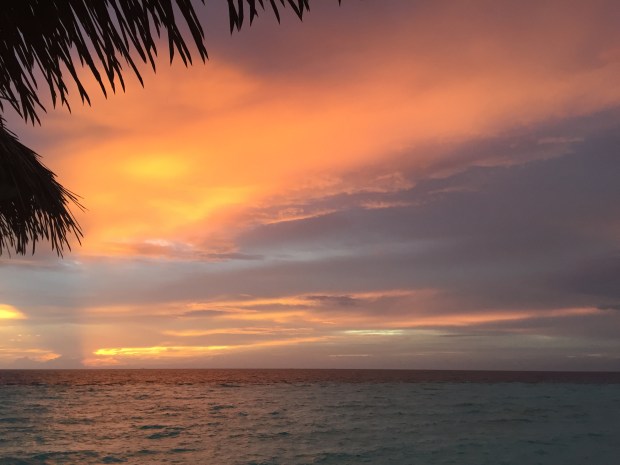
Maldivian sunset
IMG_5853
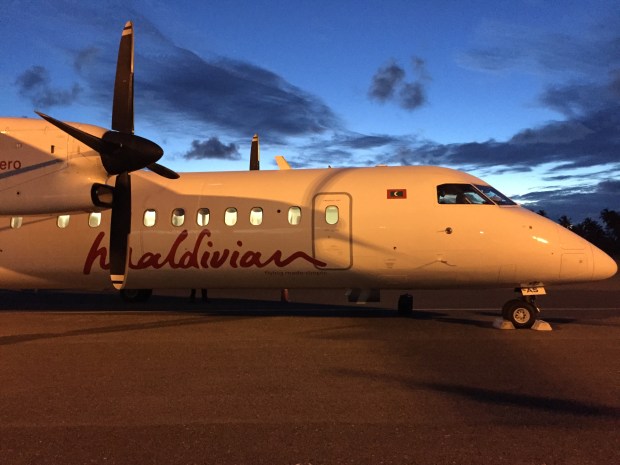
Seaplane
black tip shark, Maldives
Black tip sharks
sea turtle
Sea turtle
IMG_5205
Maldivian beach

Mexico

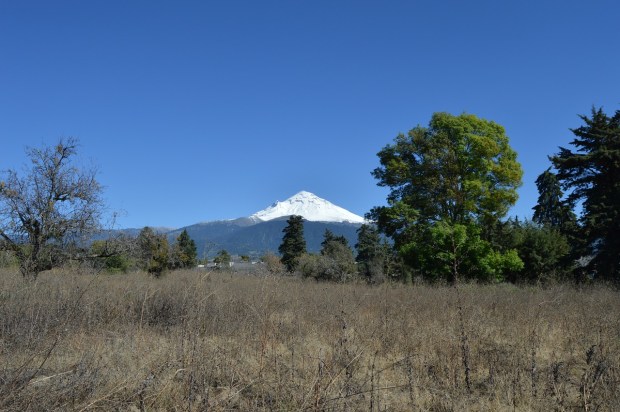
“Fa-heeeee-taaa”, as I am often known to say when thinking about Mexican food! Mexico is situated between the U.S. and Central America and is widely known for its Pacific and Gulf of Mexico beaches and its diverse landscape of mountains, deserts and jungles. With a population of over 122 million, it is the eleventh most populous country and the most populous Spanish-speaking country in the world. Mexico is located in the “Ring of Fire”. This area is one of the world’s most violent earthquake and volcano zones. The Ring of Fire, contains more than 450 volcanoes and has approximately 75% of the world’s active volcanoes. Popocatépetl is considered to be the most dangerous volcano in Mexico, located only 70 km southeast of Mexico City.

Mexico was home to several advanced Amerindian civilizations – including the Olmec, Toltec, Teotihuacan, Zapotec, Maya, and Aztec. Their presence is still felt at the famous sites of
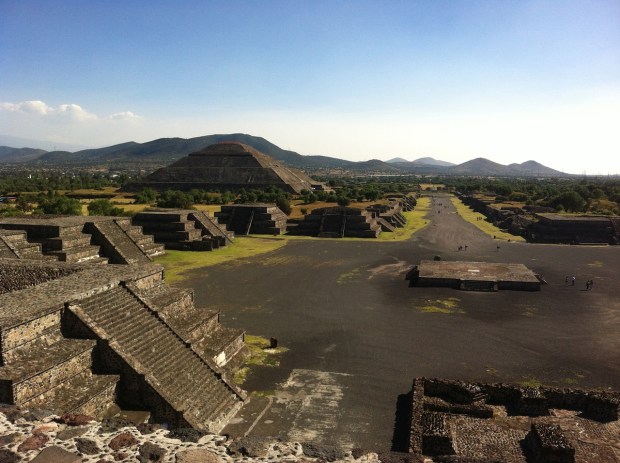
Calakmul (possibly the largest city during Mayan times), Tulum ruins, Monte Albán (Ancient Zapotec capital), Teotihuacán archaeological zone and of course, Chichén Itzá.
I think its safe to say that one wouldn’t get bored on a trip to Mexico. When you’re done with the ancient sites, you can take a road trip down Baja’s endless coast, hike to the peak of Pico de Orizaba, party your heart out in Mexico city and enjoy a well earned laze on the beaches of Puerto Escondido. Mexico has the 23rd highest income from tourism in the world.

Mexico has given the world hot chocolate (sacred drink of the Aztecs), the Habanero Chilli Pepper (packing a punch at 350,000 scovilles) and the Chihuahua, the world’s smallest dog breed. Mexico produces the most automobiles of any North American nation with General Motors, Ford and Chrysler having been in operation there since the 1930s.

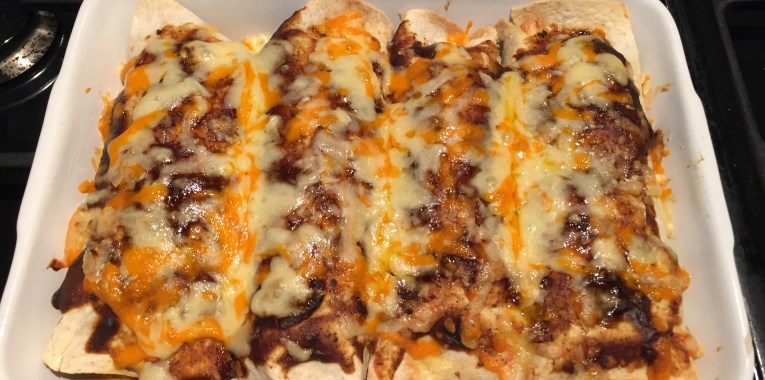
Mexican food is know the world over with it’s staple ingredients of corn, beans, avocados, tomatoes, chilli peppers and rice. Mexican street food is one of the most varied parts of the cuisine, which includes tacos, quesadillas, pambazos (white bread), tamales (seasoned meat and maize flour steamed or baked in maize husks), huaraches (fried dough base with a variety of toppings) and alambres (grilled beef topped with chopped bacon, bell peppers, onions, cheese, salsa and avocado). I decided to make Chicken enchiladas, which may not sound overly adventurous given the plethora of options available, but sometimes the simplest dishes are the tastiest, which was certainly the case here!

Rating: 10/10

Serves: 2 hungry people
Prep time: 20 mins
Cook time: 40 mins

For the enchiladas:
1 tbsp vegetable oil
1/2 onion, peeled and diced
2 skinless chicken breasts, diced into small 1/2-inch pieces
salt and pepper
2 green chillis, diced
1/2 tin black beans (rinsed & drained) or 100g dried black beans, cooked according to the packet
4 large flour tortillas
1 1/2 cups grated cheese (I used a mix of cheddar and red leicester as I couldn’t get hold of monterey jack cheese)
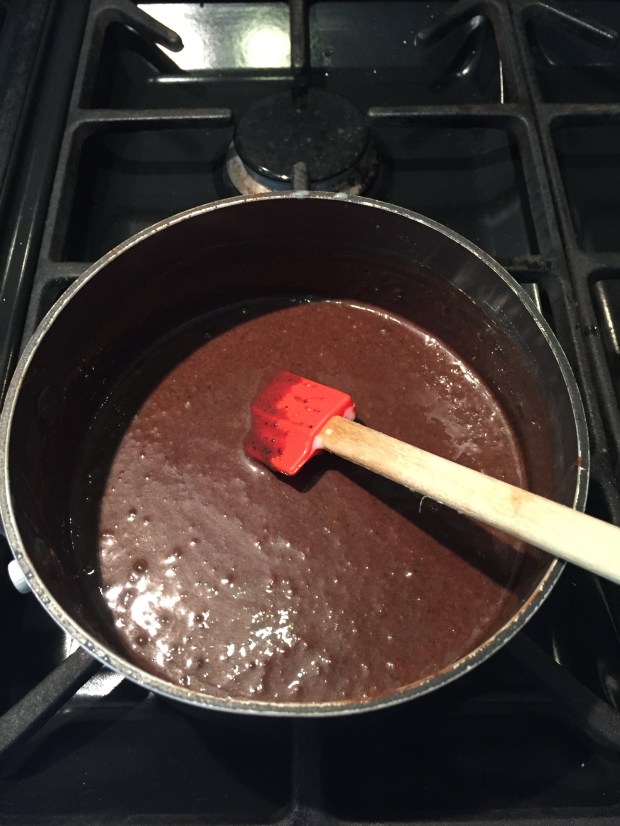
1 batch of homemade red enchilada sauce (see below)

For the homemade red enchilada sauce:
1 tbsp vegetable or canola oil
1 tbsp all-purpose or gluten-free flour
2 tbsp ancho chilli pepper powder
1/4 tsp garlic powder
1/4 tsp salt
pinch cumin
pinch oregano
1 cup chicken or vegetable stock

For the homemade enchilada sauce:
Heat oil in a small saucepan over medium-high heat.
Add flour and stir together over the heat for one minute.
Stir in all the seasonings.
Then gradually add in the stock, whisking constantly to remove lumps.
Reduce heat and simmer 10-15 minutes until thick.
Use immediately or refrigerate in an air-tight container for up to two weeks.

For the enchiladas:
Preheat oven to 350 degrees F.
In large skillet, heat oil over medium-high heat.
Add onion and fry for 3 minutes, stirring occasionally.
Add diced chicken and green chillis, and season with salt and pepper.
Saute for 6-8 minutes, stirring occasionally, or until the chicken is cooked through.
Remove from heat and set aside.

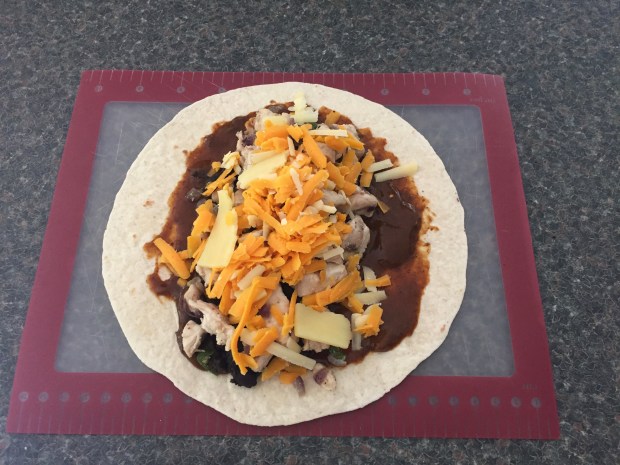
To assemble the enchiladas, set up an assembly line with the tortillas, enchilada sauce, beans, chicken mixture, and cheese.
Lay out a tortilla, and spread 1 tablespoon of sauce over the surface of the tortilla.
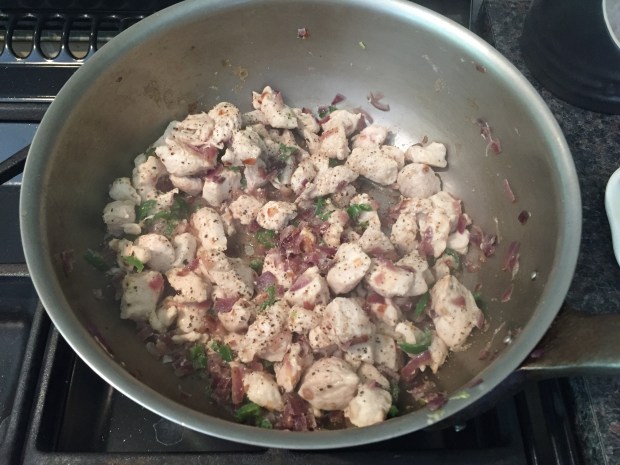
Add beans in a line down the middle of the tortilla, then add in a spoonful of the chicken mixture, then sprinkle with 1/3 cup cheese.
Roll up tortilla and place in a greased baking dish.
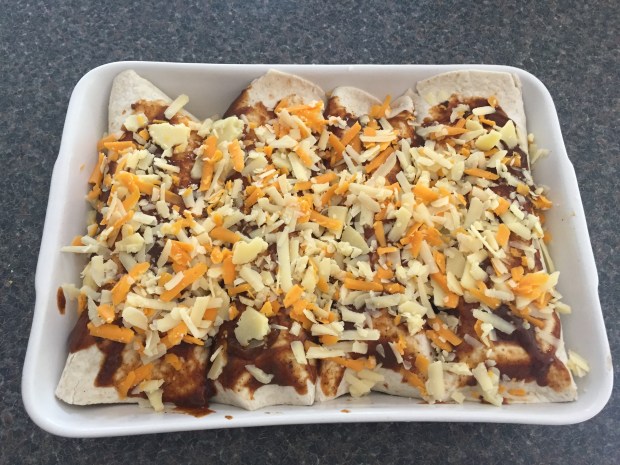
Repeat with the remaining ingredients. Then spread the remaining enchilada sauce on top of the tortillas, and sprinkle on the remaining shredded cheese.
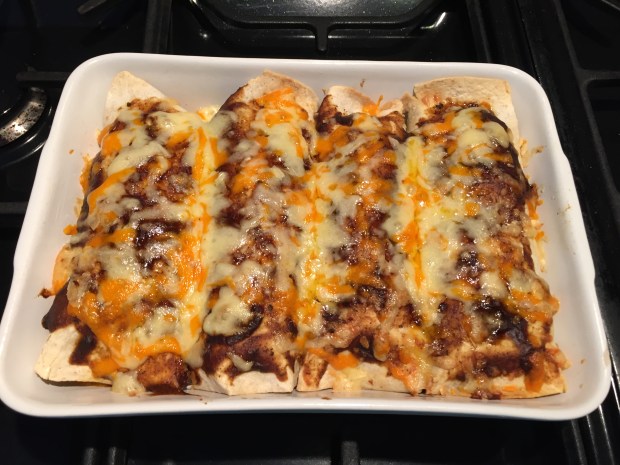
Bake uncovered for 25 minutes.
Remove from oven and serve immediately

IMG_0279
Ingredients for Chicken enchiladas
IMG_0281
Frying the chicken
IMG_0280
Homemade enchilada sauce
IMG_0285
Making the Chicken enchiladas
IMG_0286
Chicken enchiladas
IMG_0288
Chicken enchiladas
IMG_0294
Chicken enchiladas
IMG_0298
Chicken enchiladas
Popocatépetl volcano, Mexico
Chihuahua puppy
Chihuahua puppy
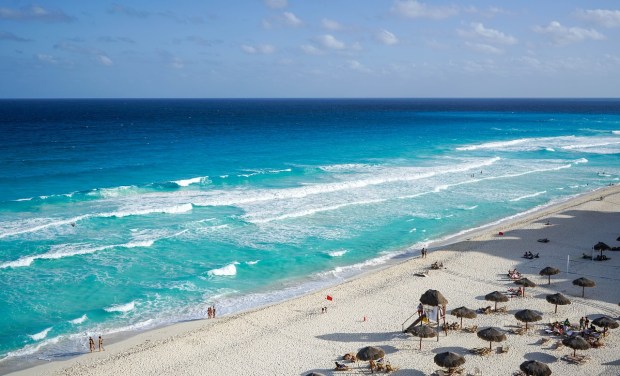
Cancun beach, Mexico
large_Bond-Spectre-Gallery-Mexico
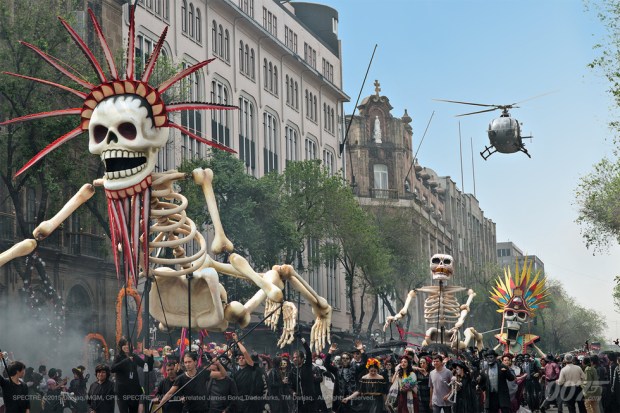
Filming the Bond film ‘Spectre’ in Mexico City
Teotihuacan, Mexico
Teotihuacán archaeological zone

San Marino

San Marino is an enclaved microstate surrounded by Italy between the regions of Emilia Romagna and Marche and is the fifth smallest country in the world. It claims to be the world’s oldest republic, where it is said that Saint Marinus, a Christian stonemason from Croatia, built a church perched on top of a mountain and founded the republic in 301 AD. Their constitution, a series of six books written in Latin in the late 16th century is the oldest still in effect. It has a population of 33,000 and a land area of just 61 sq km. It is the only country in the world with more vehicles than people.

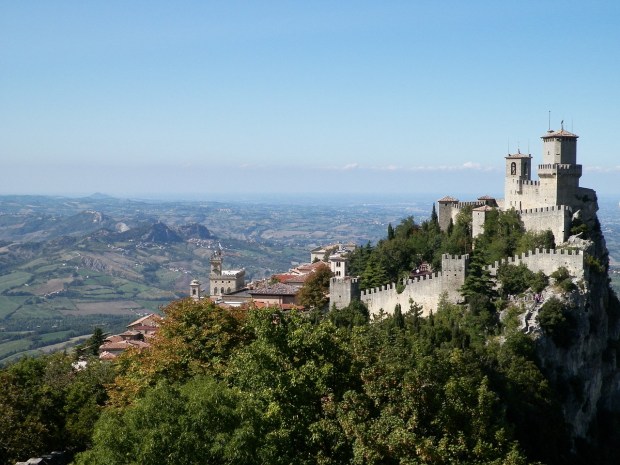
San Marino’s Historic Centre and Mount Titano became part of the UNESCO World Heritage List in 2008 and it is host to 2 million tourists each year. According to Lonely Planet the top things to see include the Palazzo Public (the town hall and official government building), the coastal panorama atop Castello della Cesta (the highest of San Marino’s three fortresses), horrific torture devices at the Museo della Tortura and the relics of Saint Marinus inside the Basilica del Santo.

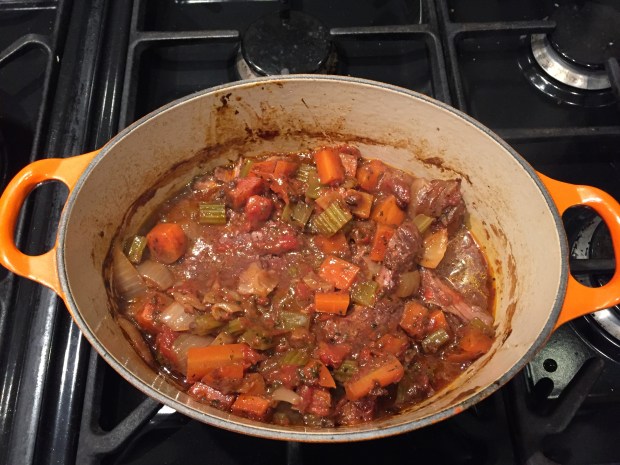
Sammarinese cuisine is very similar to Italian. Some of the recipes I came across were Piadina (savoury filled pitta), Nidi di Rondine “Swallow’s Nests” (baked pasta with cheese & ham), Roast rabbit with fennel and Fagioli con le cotiche (bean and bacon soup). Sweet dishes include Torta Tre Monti (“Cake of the Three Towers”), a wafer layered cake covered in chocolate depicting the Three Towers of San Marino, Bustrengo (cake made with raisins) and Cacciatello (a dessert similar to crème caramel). I decided to make Steak San Marino which was slow cooked with vegetables and red wine. It was quite spicy and I would be tempted to add some bacon to give it a touch of sweetness. I served it with some Thyme roasted potatoes.

Rating: 7/10

Serves: 2
Prep time: 15 mins
Cook time: 5 hours

2 rump beef steaks
Plain flour
1 tsp salt
1 tsp ground black pepper
1/2 tin chopped tomatoes
100ml red wine
1/2 medium onion
1 large carrot
1 stick celery
2 tsp dried mixed herbs
1 bay leaf
1/2 tbsp hot sauce

Preheat the oven to 150 degrees c
Peel and chop the onion and carrots into small chunks
Combine the flour and salt and pepper and coat the steaks with the flour mix
Coat the bottom of an oven proof pan with a little oil and place the steaks in the bottom
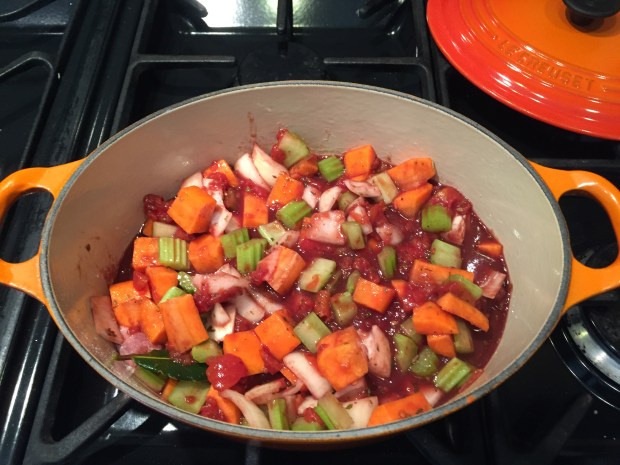
Mix the tomatoes, wine, carrots, onion, celery, mixed herbs, bay leaf and hot sauce in a mixing bowl and pour over the steaks
Cook in the oven for 5 hours
Once cooked, discard the bay leaf and remove the steaks to serving plates

IMG_0253
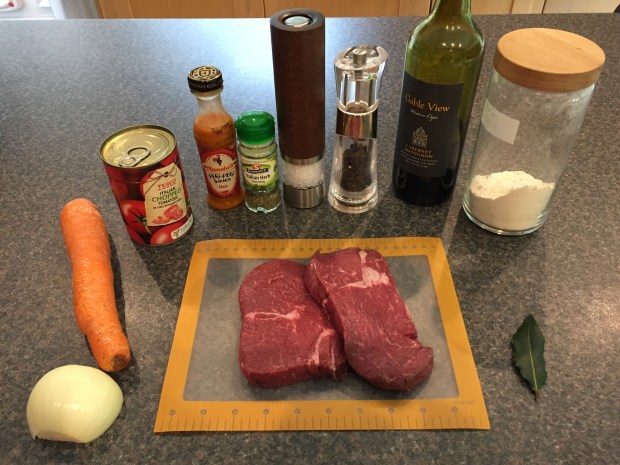
Ingredients for Steak San Marino
IMG_0255
Steak San Marino
IMG_0256
Steak San Marino
IMG_0258
Steak San Marino
IMG_0261
Steak San Marino
Mount Titano San Marino
Mount Titano, San Marino
2702_g
Palazzo Pubblico, San Marino

Tunisia

Tunisia is a North African nation bordered by Algeria to the west, Libya to the southeast, and the Mediterranean Sea to the north and east. It contains the eastern end of the Atlas Mountains and the northern reaches of the Sahara desert.

Independent from France since 1956, the country’s first president, Habib Bourguiba, established a strict one-party state. He dominated the country for 31 years, repressing Islamic fundamentalism and establishing rights for women unmatched by any other Arab nation. In 1987, Bourguiba was removed from office and replaced by Zine el Abidine Ben Ali in a bloodless coup. Street protests followed over high unemployment, corruption, widespread poverty, and high food prices, culminating in rioting that led to hundreds of deaths. In January 2011 Ben Ali dismissed the government, fled the country, and a “national unity government” was formed.

A state of emergency is currently in effect in Tunisia, imposed after a suicide attack on a police bus on 24 November 2015. It has been extended a number of times. On 20 June it was extended for a further month to 21 July. Until recently tourism had provided jobs for 11.5% of the working population with 6.2 million tourist visitors in 2013. Some of the main attractions are the ancient ruins of Carthage, Jerba’s El-Ghriba synagogue, Sfax Medina and the Mosque of Sidi Mahres in Tunis.

Tunisian cuisine uses a variety of ingredients in many different ways. Unlike other North African cuisine, Tunisian food is quite spicy. Harissa, a hot red pepper sauce is commonly used. Cous cous or Kosksi as it’s known, is the national dish of Tunisia. Recipes I came across include Koucha (slow cooked lamb), Felfel Mehchi (stuffed peppers), Lablabi (a thick soup made with chickpeas and garlic), Brik (a fried Malsouka dough stuffed with tuna and an egg) and Marqa (slow cooked stew).  As I was cooking Morocco and Tunisia on the same day, I decided to make Tunisian vegetable cous cous to serve with the Moroccan Mshermel chicken tagine. It was quick and easy to make and very tasty.

Rating: 9/10

Serves: 4
Prep time: 20 mins
Cook time: 30 mins

3 tbsp olive oil
1 red onion, chopped
1 carrot, chopped
1 courgette, chopped
1 red pepper, chopped
750ml vegetable stock
1 tbsp fresh coriander
1 tin chickpeas, drained
2 tomatoes, chopped
1 and 1/2 cups couscous
Salt & pepper

Heat the oil in large pot over medium-low heat
Add the onion, courgette and carrot and cook, stirring occasionally, until onions begin to soften and turn translucent, about 15 minutes.
Stir in the red peppers and cook for 5 minutes
Add the vegetable stock and coriander
Bring to a boil then reduce heat to low for 5 minutes
Stir in chickpeas and tomatoes and cook for 5 minutes
Slowly pour in the couscous and stir
Remove from the heat and cover the pan immediately
Let it stand, covered, for 5 minutes. Fluff the couscous with a fork and season to taste
Serve at slightly warmer than room temperature

Morocco

I have visited Marrakesh in Morocco a couple of times and found it to be a heart warming and fascinating city. The central Djemaa el-Fna square is a sight to behold morning, noon and night with snake charmers, orange juice sellers and the general hustle and bustle.

The Kingdom of Morocco is situated in the north-western corner of Africa and is the only African country that is not a member of the African Union. It is surrounded by the Atlantic to the west, the Mediterranean to the north and the Sahara desert to the south. Almost the entire population are Sunni Muslims. Arabic is the official language but Berber (another dialect) and French are also spoken widely.

The snow topped Atlas mountains are a visible and dominant feature of Morocco’s geography. Highlights for the visitor include Fes, the oldest of Morocco’s imperial cities, the quiet mountain town of Chefchaouen, where every house is painted blue, camel trekking in the Western Sahara and the Dades Gorges. You can indulge yourself in a hamman (bath house) or haggle for souvenirs in the souqs.

Moroccan food is a mix of Mediterranean, Arabic, Andalusian and Berber cuisine and is extremely diverse. Some of the dishes I came across include Makouda (deep fried potato balls) , B’stilla (pigeon pie), Khobz (semolina flatbread) and Mechoui (roasted lamb). I decided to cook the traditional Moroccan dish Mshermel chicken tagine, which I served with a Tunisian vegetable cous cous. My family were a little divided by the taste but overall found it enjoyable.

Rating: 8/10

Serves: 4
Prep time: 40 mins
Cook time: 90 mins

3 chicken breasts, cut into 3 pieces
3 chicken thigh fillets, halved
1 Preserved lemon
Handful of coriander and parsley
2 large garlic cloves
1 tsp ground paprika
1 tsp ground ginger
1/2 tsp ground cumin
1/2 tsp of pepper
4 tbsp of olive oil
2 onions, peeled and grated
A good pinch of saffron
Small tin of green olives
Salt

Finely chop the preserved lemon, garlic, cilantro, parsley and place in a bag with 2 tablespoons of olive oil, pepper, cumin, ginger, paprika
Place the chicken pieces into the bag and massage well. Marinade in the fridge for 6 hours
When ready to cook, heat 2 tablespoons of oil in your tagine pot
Add the onions and chicken and cook over low heat for 30 minutes
Soak the saffron threads in some warm water then add it to the tagine and cook for 30 minutes
Add the green olives and a teaspoon of salt and cook for a further 30 minutes
Serve with cous cous

IMG_0189
Ingredients for Mshermel chicken tagine
IMG_0190
Marinading the chicken
IMG_0222
Mshermel chicken tagine
IMG_0227
Mshermel chicken tagine
IMG_0240
Mshermel chicken tagine
IMG_0247
Mshermel chicken tagine served with Tunisian vegetable cous cous
View over Marrakesh
View over Marrakesh, Morocco
Fez Morocco
Fez, Morocco
Sahara Desert Morocco
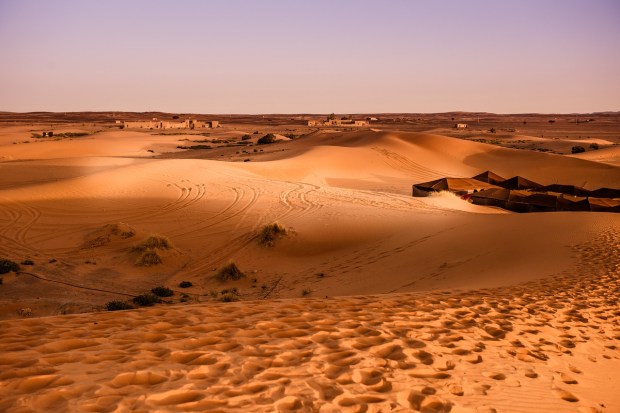
Sahara Desert, Morocco


St Vincent and The Grenadines

St Vincent and The Grenadines, or SVG, is a country in the Caribbean, not a music band, like I thought when I first pulled it out of the bag! Situated in the Lesser Antilles island arc, it is made up of St Vincent, the main island, along with the Grenadines, 32 smaller islands stretching south. There are 9 inhabited islands, one of which is Mustique, which has been visited by Queen Elizabeth II, the Duke and Duchess of Cambridge, Sir Paul McCartney and Amy Winehouse. Pirates of the Caribbean I, II and III were all filmed on the islands. Natasha Mayers, born in St Vincent, won the Women’s 100m gold medal in the 2010 Commonwealth Games.

The highest point is La Soufriere, an active volcano on St Vincent, which last erupted in 1979. Many of St Vincent’s beaches are black volcanic sand, while the Grenadine beaches are fine white sand. Forest covers 69 per cent of the land area. In 2006 it was voted number 4 in the world on The Happy Planet Index (HPI) which is calculated from perceived well-being, life expectancy and ecological footprint. Homosexuality is illegal in Saint Vincent and the Grenadines.

Much of the food eaten in SVG is grown or sourced locally. Popular dishes include bul jol (roasted breadfruit and saltfish), pumpkin soup, arrowroot cakes and curried goat. I made stuffed sweet potatoes, which we found a little bit too sweet with the filling, unfortunately the sweet potato and sweetcorn overpowered the chicken and bacon.

Rating: 5/10

Serves 3 as a main meal or 6 as a starter
Prep time: 30 mins
Cook time: 1 hr 15 mins

5-6 sweet potatoes
Vegetable oil
8 rashers of bacon
1 cup of any cooked diced meat
1 cup sweetcorn
1 large onion
2 tbsp chopped fresh thyme
1 tbsp margarine
Salt and pepper to taste

Preheat the oven to 200 C.
Scrub potatoes well. Dry and brush them with oil. Place on a baking sheet and cook for 1 hour.
Fry the onion with thyme leaves until it is soft and transparent, remove to a bowl.
Fry the bacon in the same pan until it is crisp and add to the onions.
Remove potatoes from oven, cut each in half and scoop out the flesh to a bowl. Mash the flesh.
Add the corn, chicken and margarine to the onion and bacon, add seasoning and mix well.
Put a spoonful of the filling mix into the potato shells, followed by a spoonful of the mashed potato and finally another spoonful of the filling mixture.
Place in the oven for 15 mins and serve hot.


Honduras

The Republic of Honduras, is a mountainous country in Central America discovered by Christopher Columbus in 1502. Honduras was home to Maya culture, famed for their hieroglyphic script. 80% of the country’s territory is mountainous and there are 91 protected national areas. It has 2 Unesco world heritage sites; the Maya site of Copan and Río Plátano Biosphere Reserve.

Copán Ruins Archeological Site is the most studied Maya city in the world. Dating back nearly 2,000 years, the society that lived here was highly stratified, deeply symbolic, and focused on tradition. The site is famous for the stelae and altars that are scattered around the immense plaza, most of which were erected during the years 711 and 736. Other highlights include the Hieroglyphic Stairway, a unique temple, which holds the longest known Mayan text and the Acropolis featuring superb carved reliefs of the 16 kings of Copán.

Río Plátano Biosphere Reserve is one of the few remaining tropical rainforests in Central America, a massive swath of jungle along the Mosquito Coast. It boasts an extraordinary diversity of ecosystems and species including the endangered Mexican Spider Monkey, the endangered Central American Tapir, the near-threatened Guiana Crested Eagle, several species of poisonous snakes and 4 species of marine turtles (loggerhead, leatherback, green turtle and hawksbill turtle).

Honduras has struggled with social and political instability and has the world’s highest murder rate (5,936 murders in 2014). Honduras was declared one of the heavily indebted poor countries by the World Bank and the International Monetary Fund, and became eligible for debt relief in 2005. In 2010, 50% of the population were living below the poverty line. About 83% of the population are literate and even though 94% enrol to primary education, only 40% complete.

Other than the Unesco sites, a major highlight is Islas de la Bahía, three Bay Islands – Roatán, Utila and Guanaja. Their reefs are part of the second largest barrier reef in the world, home to fish, coral, sponges, rays, sea turtles and whale sharks.

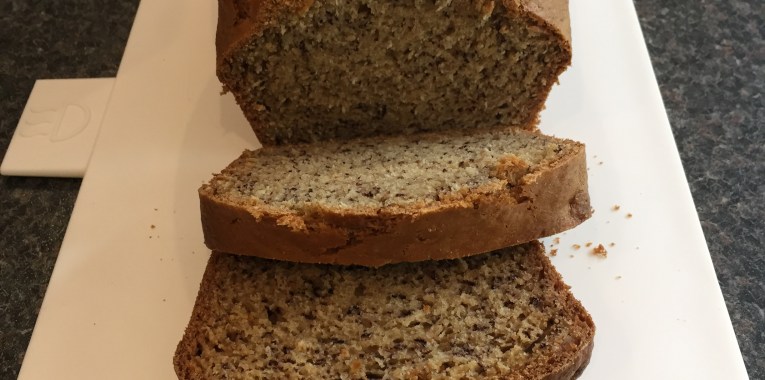
The cuisine of Honduras is a fusion of Spanish, Caribbean and African. Some of the dishes I found were Baleadas (flour tortillas with beans & cheese) , Sopa de Mondongo (tripe & vegetable soup) , Carneada (barbecued meat) and Tapado de Pescado (Baked fish with coconut milk and vegetables). Coconut and bananas are plentiful in Honduras, so I opted to make Banana and coconut bread.
It was really delicious.

Rating: 10/10

Serves: 8 – 10 slices
Prep time: 25 mins
Cook time: 1 hour

28g unsalted butter at room temperature
28g light cream cheese at room temperature
190g caster sugar
1 egg
300g plain flour
2 tsp baking powder
½ tsp baking soda
⅛ tsp salt
2 large bananas, mashed
120ml skimmed milk
1 tsp vanilla extract
25g coconut, flaked or desiccated

Preheat oven to 175 degrees.
Rub a loaf tin with butter ensuring its covered and set aside.
Beat butter and cream cheese at medium speed in mixer.
While beating add 1 cup sugar and egg.
Combine flour, baking powder, baking soda and salt in a bowl and stir until well-blended.
Combine banana, milk and vanilla in a separate bowl until well combined.
Add the flour mixture alternately with banana mixture to the butter and cream cheese mixture, mixing after each addition.
Stir in the coconut.
Pour batter into prepared tin and bake for 60 minutes.
Let it cool before enjoying with or without butter.

Angola

The Republic of Angola is in Southern Africa on the west coast. The Portuguese explorer Diogo Cão found what was known as the Kingdom of Kongo in 1484. It was a Portuguese colony until independence in 1975 and in the same year civil war broke out until 2002. The war ravaged the country’s political and social institutions and littered the country with land mines. However since the end of the war Angola’s standard of living has overall greatly improved. Life expectancy, which was just 46 years in 2002, reached 51 in 2011.

Angola’s oil and diamonds are its primary sources of income, making up roughly 60% of the country’s economy. The Northern Angolan province of Cabinda is unusual in that it is separated from the rest of the country, sharing borders with the Congo Republic and the DRC. It is best known for it’s oil production and has the nickname “the Kuwait of Africa”. It accounts for more than half of Angola’s oil output.

Despite it’s turbulent history, Angola has many interesting historical highlights including the Parque Nacional da Kissama (home to elephants and water buffalo, thanks to a relief project known as Operation Noah’s Ark), Fortaleza de São Miguel (a fort constructed by the Portuguese in 1576 and is the capital, Luanda’s, oldest surviving building) and the beautiful beaches of Namibe.

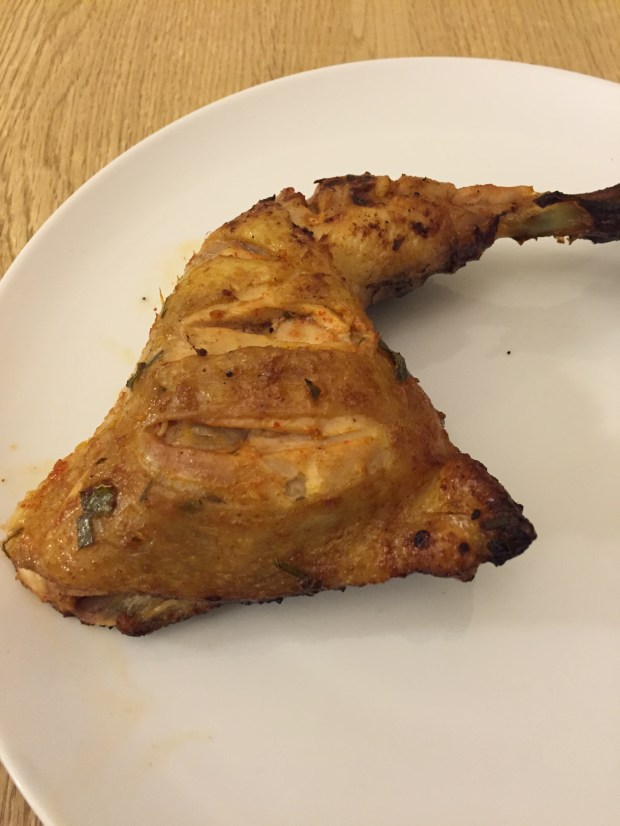
The cuisine of Angola is significantly influenced by Portuguese food. Common dishes include Funge (cassava porridge), Caldeirada de peixe (fish stew), Moamba de galinha (chicken stew with palm oil). Some other recipes I came across were Catatos (caterpillar fried with garlic!), Camaro Grelhado (grilled prawns) and Cocada amarela (yellow coconut pudding). I opted to cook Frango piri piri (grilled chicken in hot marinade). Although piri piri is generally associated with Portugal, it’s origins were from Angola and Mozambique. We enjoyed the chicken very much, but found the piri piri sauce too garlicky.

Rating: 7/10

Serves: 4
Prep time: 15 mins + 2 hours marinating time
Cook time: 35-40 mins

1 medium chicken
6 garlic cloves, crushed
2 lemons, juiced
2 bay leaves, chopped
2 tsp sweet paprika
80 ml scotch whisky (or brandy – I used brandy as we’re not big whisky drinkers)
2 tbsp butter, softened
rock salt

Piri piri sauce
6 small red chillies, finely chopped
pinch of salt
1 lemon, juiced
50 ml olive oil
1 tbsp garlic powder

Trim the chicken of excess fat. Use a sharp knife or kitchen scissors to cut the chicken through the backbone. Open the chicken out, turn over and flatten it by pressing down on the breastbone. Make a small cut under each wing to help the chicken flatten further. Make several slashes in the flesh with a sharp knife to allow the flavours of the marinade to get in and any fat to drain out. Prick the chicken all over with a fork.

Combine the garlic, lemon juice, bay leaf powder, paprika, whisky and butter, mixing well. Brush the chicken on both sides with the mixture and sprinkle with rock salt. Cover and marinate in the refrigerator for 2 hours.

Mix the piri piri ingredients into a thickish sauce.

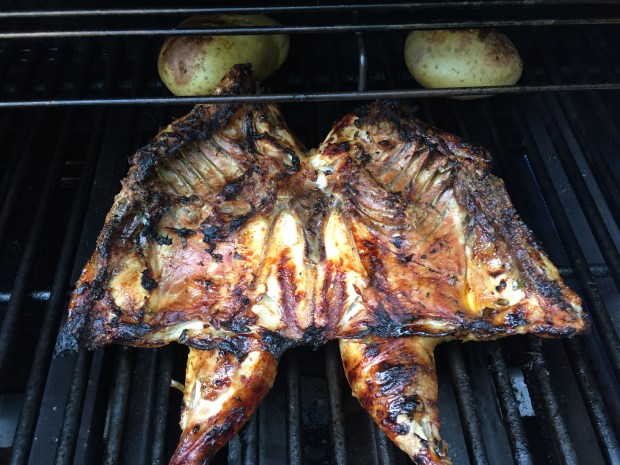
Cook the chicken on a hot charcoal barbecue, turning frequently and basting frequently with the leftover marinade, for 30 minutes or until golden brown. Cut the chicken into pieces and serve with the piri piri sauce.

IMG_9959
Ingredients for Frango piri piri
IMG_9961
Barbecuing the Frango piri piri
IMG_9974
Barbecuing the Frango piri piri

IMG_9977

IMG_9980

Angolan President Not To Seek Re-Election
Angola
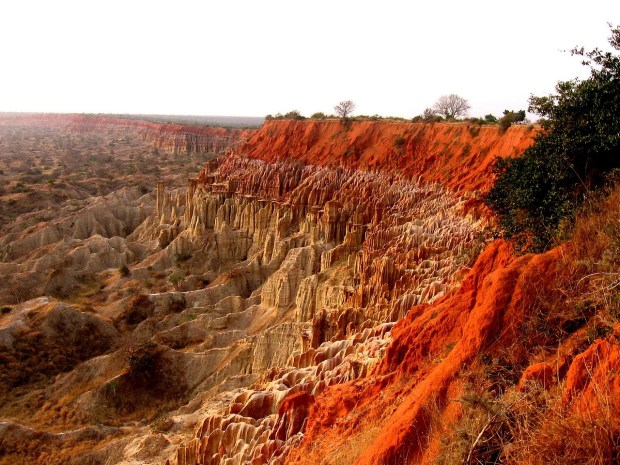
Miradouro da Lua mountains, Angola

Switzerland

Switzerland or officially the Swiss Confederation, is the best place to be born in the world, ranking number 1 in the EIU ‘where to be born’ index (previously known as quality of life index).
The Swiss Confederation was established on 1 August 1291, which is celebrated annually as the Swiss National Day. It has not been in a state of war internationally since 1815 and ranks number 5 in the Global Peace index.

Some random interesting facts
The Swiss eat more chocolate than any other nation in the world, 11.3 kg per year.
One is never more than 10 miles from a lake in Switzerland.
In Switzerland, it is illegal to keep just one guinea pig. They must be kept in pairs.
Albert Einstein came up with his theory of relativity and the formula E=MC2 in Bern, Switzerland.
The Sonnenberg tunnel in Lucerne is able to house up to 20,000 people for an extended period of time as a fallout shelter. It serves as the world’s largest nuclear bomb shelter.
The Dalai Lama owns the smallest vineyard in the world, which is located in Switzerland.
The most expensive hotel room in the world is The Royal Penthouse suite at Hotel President Wilson in Geneva. Bill Gates and Michael Douglas have both been residents. At $83,000 per night you can enjoy your own private elevator, gym, 12 bedrooms and 12 marble bathrooms, a Steinway Grand Piano, and a panoramic view of Lake Geneva.

Swiss cuisine shows many regional influences as well as French, German and Italian. Traditional dishes include Rosti (fried grated potato), Papet Vaudois (potatoes, leek with sausage) , Zürcher Geschnetzeltes (veal and mushroom in a cream sauce), Bűndnernusstorte (caramelised nut filled pastry) and Zopf (plaited loaf). Although I had a recommendation from Valerie who I had met on holiday, my friends and family well know that I am addicted to cheese, so there really was only one recipe for me to cook; it had to be Fondue! My sister and brother in law joined us for the evening and suffice to say, it was truly scrumptious.

Rating: 10/10

Serves: 4
Prep time: 5 mins
Cook time: 15-20 mins

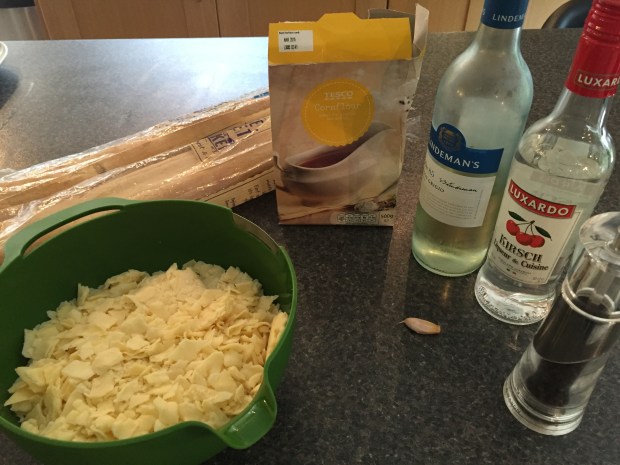
2 French sticks (a day old), cut into cubes
1 clove of garlic
350ml dry white
2tsp cornstarch
400g Vacherin Fribourgeois, grated
400g Gruyere, grated
2 tsp of kirsch
pepper

Half the garlic and rub it around the fondue pot
Dissolve the cornstarch in the kirsch
Place the fondue pot on the stove over a low heat
Pour the wine into the fondue pot and bring it to a simmer
Gradually add the grated cheese, stirring continuously with a wooden spoon until it melts together.
Add the kirsch and the pepper.
Transfer to the serving stand, with the burner on a steady temperature.
Serve with the cubed bread.

IMG_9559
Ingredients for Swiss fondue
IMG_9587
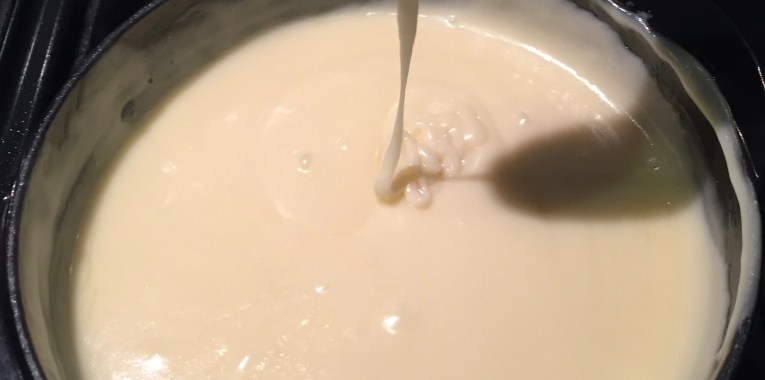
Swiss fondue
IMG_9590
Family enjoying Swiss fondue
IMG_9593
Swiss fondue

Foodies100 Index of UK Food Blogs
<a target=”

Saint Lucia

I visited Saint Lucia a few years ago and being entirely honest, I wasn’t as amazed as I’d hoped. The hotel was a little tired and we were there during rainy season. However, after doing research for the blog, I’d definitely like to go back and further explore what it has to offer.

Lying in the eastern Caribbean Sea and part of the Lesser Antilles, Saint Lucia is 27 miles long and 14 miles wide. It is more mountainous than most Caribbean islands. The French gave Saint Lucia it’s name, after Saint Lucy of Syracuse, as they were the first Europeans to colonise the island. Saint Lucia gained independence from Britain in 1979. It is a Commonwealth realm and Queen Elizabeth II is the Head of State.

Along with the picturesque beaches, tourists come to Saint Lucia to see The Pitons, majestic twin peaks called Gros Piton (797m) and Petit Piton (750m) soaring from the sea. They are the only two of its kind in the world and have recently attained world heritage site status. Other highlights include the rain forests, Pigeon Island National Park and the world’s only drive-in volcano at Sulphur Springs (Soufriere). Ranking no.1 on Trip Advisor, ‘the’ place to stay is The Inn On The Bay in Marigot Bay.

The cuisine of Saint Lucia is a blend of French, East Indian and British influences. Dishes include Banana fritters, Green figs and Salt fish (the national dish), Accras (fishcake), Souse (pork broth), Breadfruit (like potato but sweet) and Pouille Dudon (chicken stew with treacle and coconut). I made Hot bakes, which are a little like muffins. The recipe I followed didn’t advise how many I should make, so mine were larger than they should have been, however they went down a treat with the kids at breakfast. We had them with jam, treacle and chocolate spread, but I think they would work equally well with a poached egg.

Rating: 9/10

Makes 12 – 20 (depending on how big you make them!)
Prep time: 20 mins + 1 hour resting time
Cook time: 15 mins

3 1/2 cups plain flour
2 tbsp sugar
2 1/2 tbsp baking powder
1/2 tbsp salt
1 tbsp butter
1/4 cup milk
oil for frying
1 cup water

Put the flour into a large bowl add sugar, baking powder, melted butter and salt. Mix thoroughly. Add the milk and just enough water to make a dough sticky to the touch.
Knead the dough for about 5 minutes. If it becomes too sticky, add a little flour to make it easier to handle.
When you are done kneading the dough, cover it and allow it to rise in a warm place for at least half an hour.
Preheat the oven to 160°C
Heat up a frying pan over low – medium heat and then add enough oil to cover the pan.
Divide the dough into small balls (I made 13 but they were probably too big, so I’d aim for 20).
Flatten the dough balls to about ½ inches thick.
When the oil is hot (not smoking), place the flattened balls of dough in your frying pan until one side turns golden brown, about 3-4 minutes and turn over to the other side for same results. Do them in batches if necessary.
Once their all browned, place them in the oven for 10 minutes.
Serve with preserves or poached egg.

Dominican Republic

The Dominican Republic is the second largest republic in the West Indies, after Cuba. It was called Santo Domingo (which is it’s capital) until the early 20th century.
Santo Domingo, founded in 1496, is the oldest European settlement in the Western Hemisphere and is home to the oldest operating Cathedral in the Americas, the Cathedral of Santa María la Menor, was completed in 1540.

A few interesting facts:
The Dominican flag is the only one to have a bible in it.
Francis Ford Coppola filmed scenes of the The Godfather Part II in Santo Domingo.
Dominican Republic is one of the worst 20 countries in the world for murders with a murder rate of 22.1 per 100,000 people, most probably due to drug smuggling.
It is the only place in the world where you can find Larimar, also called “Stefilia’s Stone”, a rare blue variety of the silicate mineral pectolite. It’s healing properties are said to cool and draw out inflammation from the body, reducing fevers and the heat of sunburn.

Dominican Republic is the most visited destination in the Caribbean with 5.1 million visitors in 2014. Highlights include the beautiful beaches at Playa Rincón and Punta Cana, Pico Duarte (the largest peak in the Caribbean), Cascada el Limon (waterfall), whale watching in Samaná and snorkelling the Cayo Paraiso (Paradise Island).

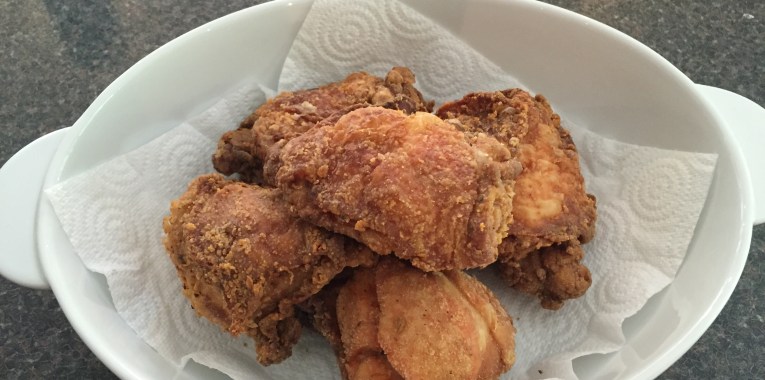
Some popular dishes I came across include Turkey a la Dominicana Stuffed with Rice and Pigeon Peas, Buñuelos de Yuca Recipe (Cassava ‘Beignets’ in Spiced Syrup), Locrio de Pica-Pica (Rice and Spicy Sardines), Dominican sancocho (meat stew) and Locrio de Pollo Dominicano (Dominican style Chicken with Rice). As it was Friday, and therefore we deserved a treat, I decided to cook Pica Pollo (fried chicken). It was crispy and tasty, but we felt it could’ve done with a bit more spice.

Rating: 7/10

Serves 4
Prep time: 20 mins + 12 – 24 hours marinating
Cook time: 30 mins

8 chicken pieces (a mix of thighs, breasts, legs or wings, whatever you prefer)
1/2 cup of vinegar
1 tsp salt
1/2 tsp freshly ground black pepper
4 garlic cloves, peeled and bashed
1 tbsp of oregano
1 tsp ground coriander
1 small red onion, quartered
Juice of 2 limes

Coating:
1 cup white flour
1 cup semolina flour
1/2 cup cornflour
1 tsp salt
1/2 tsp black pepper

Soak the chicken with the vinegar in a bowl for about 5 minutes, then drain and pat dry.
Place the chicken pieces in a large bag and add salt, pepper, garlic, onion, oregano, coriander and the lime juice.
Marinade in the fridge for 12 – 24 hours.
Remove the chicken from the fridge an hour before cooking.
In another large bag, place the flour, cornflour, semolina flour, salt & pepper. Shake to mix
Heat the oven to 100°C
Heat a deep fat fryer, or deep pan with enough oil to cover the chicken to 180°C.
Place the chicken pieces in the flour bag, draining off the marinade mix beforehand.
Ensure all the chicken pieces are coated in the flour mix.
Place 3 pieces of chicken into the hot oil and fry for 10-12 minutes.
Once done, put the chicken pieces onto a tray lined with kitchen towel and leave in the oven to keep warm, whilst frying the rest of the chicken pieces.
Serve with chips and ketchup.


Santo Domingo Cathedral
Cathedral of Santa María la Menor, Santo Domingo
Dominican Republic flag
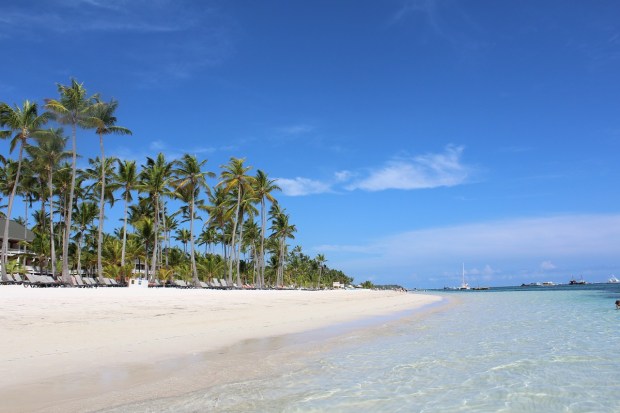
Punta cana beach Dominican Republic
Punta Cana beach
larimar
Larimar

Portugal

I’ve visited Portugal a few times and was looking forward to what the cuisine had in store for me. Piri Piri chicken is one of my favourites, so I was optimistic and fortunately not disappointed!
Portugal is situated on the Iberian Peninsula and was founded in 1139, making it one of the oldest nations in Europe. It is also the most westerly and it’s 754 mile long border with Spain is the longest in the EU.

Here are a few interesting facts I came across:
Portugal was the first county in the world to decriminalize the usage of all common drugs.
The biggest wave ever surfed, at 90ft (27.5m) was at Praia de Norte in Portugal by Hawaiian Garret McNamara.
The longest bridge in Europe, measuring 10.5 miles (17 kilometers) in length, is the Vasco da Gama bridge in Lisbon, completed in 1998 to celebrate the 500th year anniversary of the discovery of the sea route between Europe and India.
The largest community of Portuguese outside Portugal is in Paris.
There are 15 UNESCO World Heritage Sites in Portugal and more than 13 million tourists visit the country each year.
The largest artificial underwater park in the world – The Ocean Revival Underwater Park is in Portugal.
The oldest director in the world, Manoel de Oliveira lived until he was 106 and continued to make films until his death on 2 April 2015.
Portugal is the largest producer of cork in the world, around 70% of total production.

Besides the obvious Piri Piri, there were plenty of tasty recipe options I found including Cataplana stew with Sausage and Clams , Cabidela (rice with chicken or rabbit), Caldeirada (fish stew) , Canja de galinha (chicken soup) , Espetada (chunks of beef rubbed in garlic and salt, skewered and barbequed), Queijada (a sweet made with cheese, milk, sugar & eggs) , Peixinhos da horta (deep fried green beans) and Camel’s drool (a portuguese sweet that recently featured on Master Chef, UK). I opted for Carne de Porco à Alentejana (pork and clams). It was relatively simple and tasted really good. I served it with Portuguese style fried potatoes, which were equally delicious.

Rating: A high 9/10!

Serves 2
Prep time: 30 mins + 10 – 24 hours marinating time
Cook time: 45 mins

450g pork fillet cut into 2″ thick slices
50 ml dry white wine
250 ml milk
2 bay leaves
1 tbsp olive oil
2 garlic cloves, crushed
1 medium onion, thinly sliced
100 ml vermouth
500g clams (fresh or frozen)
175 ml (3/4 cup) chicken stock
1 bunch thyme, tied with kitchen string
1 tbsp parsley, chopped

For the roast pepper paste
2 long red peppers
6 cloves of garlic
1 tbsp olive oil
Salt & pepper

To make roast pepper paste
Preheat oven to 200°C. Place peppers and garlic cloves in an oven tray with olive oil. Season well and roast for 35 – 40 minutes or until softened and slightly blackened. Transfer to a bowl, cool slightly, then remove the skins and seeds from the peppers and the garlic skins.
Blend the peppers and garlic in a food processor until smooth. Season with salt and pepper. Transfer to a bowl and cover with oil.

To make the Porco à Alentejana
Place pork in a bowl with white wine, milk, bay leaves, ½ tsp salt and ¼ tsp white pepper. Cover and refrigerate for 10 – 24 hours.
Drain, discard liquid and pat dry with paper towel.
Preheat oven to 180°C.
Heat oil in a large ovenproof and lidded casserole dish over high heat and brown the pork for 3 minutes.
Remove the pork using a slotted spoon and transfer to a bowl.
Add garlic and onions to the same pan and cook over medium heat for 5 minutes or until softened.
Stir in ¼ cup roast pepper paste, vermouth and pork.
Place the dish in the oven and bake, uncovered, stirring occasionally, for 30 minutes or until pork is tender.
Add clams, stock and thyme, cover the pan and bake for a further 10 minutes or until the clams have opened.
Remove the thyme sprig.
Season and sprinkle with parsley.
Serve with Portuguese style fried potatoes.

Jamaica

Jamaica is a mountainous Caribbean island discovered by Christopher Columbus in 1494. England conquered the island in 1655 and renamed it to Jamaica from Santiago. Under British rule Jamaica became one of the world’s leading sugar-exporting, slave-dependent nations. Although the slave trade was abolished in 1807, the British government formally abolished slavery in Jamaica by an 1833 act, beginning in 1834, with full emancipation from chattel slavery declared in 1838. It has been independent from Britain since 1962. Although independence is widely celebrated, a 2011 survey showed that approximately 60% of Jamaicans would push to once again become a British territory, citing years of social and fiscal mismanagement in the country.

Kingston Harbour is the seventh-largest natural harbour in the world. Although not currently, it previously facilitated cruise ships in the 1950s and 1960s, and a project has been proposed for the development of a cruise ship pier.

Some interesting facts
Jamaica is the birthplace of Rastafarianism – an Afro-Caribbean Religio-political Movement.
Blue moons occur in Jamaica whenever the weather and climate is perfect. Over the past 40 years there have been 12 blue moon sightings.
Jamaica is home to the fastest man on the planet – Usain Bolt, who allegedly ate 1,000 Chicken McNuggets in Beijing in 2008.
Ian Fleming created the character James Bond 007 from his home called ‘Goldeneye’ in St. Mary Jamaica. He also used the island as a setting in his novels Live and Let Die, Doctor No, “For Your Eyes Only”, The Man with the Golden Gun, Octopussy and The Living Daylights. James Bond Beach is in Oracabessa.
Reggae originated in Jamaica in the late 1960s.
After quitting Hollywood, Errol Flynn lived in Port Antonio, Jamaica in the early 1950s and was largely responsible for developing tourism in this area.
An estimated 1.3 million foreign tourists visit Jamaica every year.

There are many highlights for the tourist including Fort Charles (the only one of Kingston’s 20 forts to survive the 1692 earthquake), Doctor’s cave beach (Montego Bay’s most famous beach), Blue Lagoon (the waters that launched Brooke Shields’ movie career), Bob Marley Museum in Kingston and Maima Seville Great House & Heritage Park.

Jamaican cuisine includes various dishes from the different cultures brought to the island, alongside flavours & spices from the indigenous people. Some popular dishes are Jerk chicken, Jamaican Escovitch Fish (marinated fish), Ackee and Saltfish (salt cod and ackee fruit), Curry goat and Callaloo (leaf vegetable stew). Thanks to a recommendation from a friend (cheers Nigel Smith), I decided to cook Oxtail with Broad beans and we thoroughly enjoyed it. It was definitely worth the wait!

Rating: 9/10

Serves: 2
Prep time: 15 mins
Cook time: 10 hours

500g beef oxtail, cut into pieces
1 large onion, chopped
1 spring onion, thinly sliced
2 cloves garlic, minced
1 tsp minced fresh ginger root
1 scotch bonnet chilli pepper, chopped
2 tbsp soy sauce
1 sprig fresh thyme, chopped
1/2 tsp salt
1 tsp black pepper
2 tbsp vegetable oil
1 1/2 cups water
1 cup canned or frozen broad beans, drained
1 tsp whole allspice berries
1/2 tbsp cornflour
1 tbsp water

Preheat oven to 130 degrees
Heat the vegetable oil in a large skillet over medium-high heat.
Add the oxtail, onion, spring onion, garlic, ginger, chilli, soy sauce, thyme, salt, and pepper.
Brown the oxtail in the skillet until browned all over, about 10 minutes.
Put the oxtail & onions mix into a lidded heavy casserole dish, and pour in 1 1/2 cup water.
Cover the casserole with foil and the lid.
Cook for 10 hours, checking a couple of times to ensure there is still liquid (add a little more water if dry)
Add the broad beans and allspice berries, and bring to a simmer over medium heat.
Dissolve the cornstarch in 2 tablespoons water, and stir into the simmering oxtail.
Cook for a few minutes until the sauce has thickened, and the beans are tender.
Serve with rice or mash potato


Democratic Republic of the Congo

The Democratic Republic of the Congo (DRC), located in Central Africa is the second largest country in Africa and was previously named Zaire (from 1971 – 1997). It is slightly larger than the combined areas of Spain, France, Germany, Sweden, and Norway. The country has a tiny coast on the Atlantic Ocean, just enough to accommodate the mouth of the Congo River. It’s equatorial position gives it the highest frequency of thunderstorms in the world and it is home to the Congo Rainforest, the second largest rain forest in the world (after the Amazon). Five of the country’s national parks are listed as World Heritage Sites: the Garumba, Kahuzi-Biega, Salonga and Virunga National Parks, and the Okapi Wildlife Reserve.

The Congolese Civil Wars, which began in 1996, brought about the end of dictator Mobutu Sese Seko’s 32-year reign and devastated the country. The wars ultimately involved nine African nations and resulted in the deaths of 5.4 million people. Mobutu Sésé Seko (he renamed himself), roughly means “the all-conquering warrior, who goes from triumph to triumph”. Mobutu became notorious for corruption, nepotism and embezzlement. Mobutu allegedly stole as much as US$5 billion while in office. In July 2009, a Swiss court determined that the statute of limitations had run out on an international asset recovery case of about $6.7 million of deposits of Mobutu’s in a Swiss bank, and therefore the assets should be returned to Mobutu’s family. Under his rule the nation suffered from uncontrolled inflation, a large debt, and massive currency devaluations. Around 55% of people live below the poverty line, living on less than a dollar each day and less than a third of children in the DRC attend secondary school.

The DRC is the world’s largest producer of cobalt ore and a major producer of copper and diamonds. It is the second largest diamond-producing nation in the world, although a third of the DRC’s diamonds are believed to be smuggled, making quantifying production very difficult.

Although the Foreign and Commonwealth Office (FCO) advise against non essential travel to the majority of the DRC, it has a lot to offer adventurous travellers. Highlights include the rare Mountain Gorillas, living in the Virunga Mountains, the Lola Ya Bonobo Sanctuary, Mt Nyiragongo volcano and taking a cruise down the Congo River.

Some of the recipes I came across were Poulet à la Moambé (chicken with a peanut sauce), Soso na Loso (chicken and rice), Ntaba or Ngulu yako tumba (grilled goat or pork), Liboke (fish stewed in manioc leaves). I opted to cook Kamundele (beef kebabs) which traditionally would be served with fried plantain (not that easy to find), so I served it in pitta bread with salad and grated cheese. It was very simple and pretty tasty.

Rating: 8/10

Serves 2 hungry people
Prep time: 10 mins + overnight marinating
Cook time: 6 mins

500g sirloin steak, trimmed of fat and cut into cubes
1 tsp ginger root, grated
2 tbsp mustard
1 oxo or maggi beef cube
2 garlic cloves, crushed
Juice of half a lemon juice
2 tbsp olive oil

Place all the ingredients in a bag, except the olive oil and marinate in the fridge overnight.
Put the beef on to skewers.
Heat the griddle pan or BBQ and cook the beef kebabs for 3 minutes on each side.
Serve with pitta, salad & grated cheese.


Czech Republic

The Czech Republic is an independent country in Central Europe consisting of the regions of Bohemia and Moravia. It was once part of the Great Moravian Empire formed by Slav tribes in the early ninth century. At the close of WW I, the Czechs and Slovaks of the former Austro-Hungarian Empire merged to form Czechoslovakia. On 1 January 1993, Czechoslovakia peacefully dissolved, with its constituent states becoming the independent states of the Czech Republic and Slovakia.

Some interesting facts:
The Czech Republic possesses a developed high-income economy with a per capita GDP rate that is 87% of the European Union average.
Škoda Auto is one of the largest car manufacturers in Central Europe. In 2014, it sold a record number of 1,037,000 cars.
The Czech Republic has the most Wi-Fi subscribers in the European Union.
Czech people are the world’s heaviest consumers of beer.
The Charles University in Prague, founded in 1348, is the oldest university in Eastern Europe, and one of the oldest in the world in continuous operation.
The Czech chemists Otto Wichterle and Drahoslav Lím invented the soft contact lenses in 1959.

The Czech economy gets a substantial income from tourism. Prague is the fifth most visited city in Europe after London, Paris, Istanbul and Rome. The spa towns of Karlovy Vary, Mariánské Lázně, Františkovy Lázně and Jáchymov, are also popular relaxing holiday destinations. There are many castles and palaces that appeal to visitors namely Prague Castle, the castle and chateau in Český Krumlov and Karlštejn Castle.

Czech cuisine is marked by a strong emphasis on meat dishes. Pork is quite common, beef and chicken are also popular. Dishes I came across during my research include Houbova Polevka Myslivecka (Hunter’s mushroom soup), Pečené kuře s brambory (Roasted chicken with potatoes), Koleno (Roast pork knuckle), Knedlíky (dumplings) and Schnitzel (fried breaded meat). I opted to cook Hovězí Guláš (Czech Beef Goulash) which I served with rice and thick slices of bread. Along with our guests, we thoroughly enjoyed it.

Rating: 9/10

Serves 4 hungry people
Prep time: 25 mins
Cook time: 2 hours

500g sirloin steak, cut into cubes
2 medium size onions, chopped
1/4 cup of oil
2 tsp caraway seeds
3 tsp sugar
3 tsp paprika
4 garlic cloves
4 tbsp tomato paste
1 1/2 tbsp salt
pepper
5 cups water
1 beef oxo cube
1 cup breadcrumbs
2 tsp marjoram

Fry the onions in the oil over a medium heat for 5 – 10 minutes, so they are soft but not browned
Add the caraway seeds, sugar, paprika, garlic and mix well to coat, cook for 2 minutes
Add the tomato paste and mix well
Add the beef and mix well to coat
Add the salt, pepper, oxo cube and water
Bring to just before boiling point, reduce the heat and simmer for 1.5 hours, stirring occasionally
Add the breadcrumbs and stir
Simmer for a further 30 minutes
Turn off the heat, add the marjoram and stir
Serve with rice or thick slices of bread (or both)

IMG_9206
Ingredients for Hovězí Guláš (beef goulash)
IMG_9207
Making Hovězí Guláš (beef goulash)
IMG_9214
Hovězí Guláš (beef goulash)
IMG_9250
Hovězí Guláš (beef goulash)


IMG_9257
Our guests enjoying Hovězí Guláš (beef goulash) … cheers!


Micronesia (FSM)

The Federated States of Micronesia (FSM) are in the western Pacific Ocean and comprise of around 607 islands with a combined area of 271 sq miles. The FSM is made up of what is known as the Western and Eastern Caroline Islands. The islands are grouped into four states; Yap, Chuuk, Pohnpei and Kosrae. It forms part of the Micronesia region encompassing the FSM, Palau, Kiribati, Marshall Islands and Nauru. FSM’s capital is Palikir, located on Pohnpei Island. Pohnpei reputedly is one of the wettest places on earth, with up to 330 inches of rain per year.

Pohnpei is notable for the prevalence of an extreme form of color blindness called Achromatopsia, and known locally as maskun (meaning ’no see’). Approximately 5% of the atoll’s 3000 inhabitants are afflicted. A person with complete achromatopsia would see only black, white and shades of grey. The neurologist Oliver Sacks wrote a book about it in 1997 called ‘The Island of the Colorblind’.

Economic activity in the FSM consists primarily of subsistence farming and fishing. The potential for a tourist industry exists, but the remoteness of the location and a lack of adequate facilities hinder development. Top things to see and do in FSM include The ‘Venice of Micronesia’, Phonpei’s ancient stone city Nan Madol, Yap’s large stone money banks, diving Chuuk’s underwater WWII ‘museum’ that’s hailed as one of the world’s ultimate aquatic experiences and Kosrae’s mangrove swamps and sandy beaches.

The main staple foods in the FSM are taro, yam, bread-fruit, banana, and coconuts. Crab, shellfish, pork and chicken are also popular. Recipes include Prawn Adobo in Coconut Milk, Coconut Chicken Curry and Breadfruit salad. I opted to cook Kelaguen Chicken (Marinated chicken with coconut, spring onion & chilli) served with toasted flatbreads. We had friends to dinner and they all thought it was unique and very flavoursome.

Rating: 10/10

Serves 4
Prep time: 30 mins + 6 – 24 hours marinating time
Cook: 15 mins

For chicken kelaguen
4 boneless chicken thighs (with skin)
1/2 lb fresh coconut, coarsely grated
3 spring onions with their stalks, finely chopped
2 red chillies, seeds removed
1 green chilli, seeds removed
1/2 cup of fresh lemon juice
Flatbreads, toasted under the grill

For finadene marinade
1 cup lemon juice
1 cup soy sauce
1 medium onion, finely slices
1 red chilli

Mix together all the marinade ingredients and marinate the chicken for at least 6 hours.
Grill the chicken thighs on the barbecue for 10 – 15 minutes.
Remove the skin and slice.
Mix with coconut, onions, lemon juice, and chilies.
Add salt and pepper.
Serve with toasted flatbreads.


Diving in Yap
Diving with Manta Rays in Yap
micronesia
Federated states of Micronesia
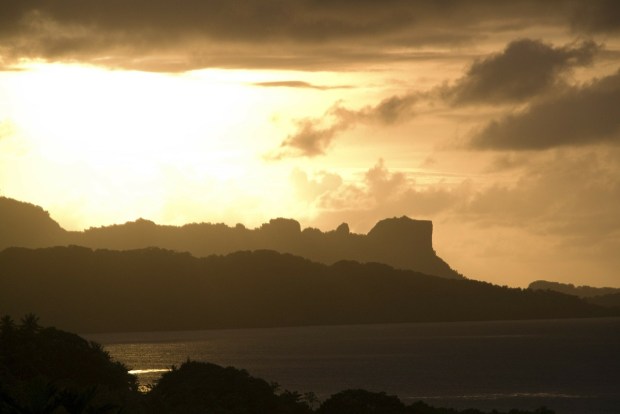
micronesia sunset
Micronesia sunset

South Korea

South Korea, officially the Republic of Korea is situated in East Asia in the southern half of the Korean Peninsula bordering the Sea of Japan and the Yellow Sea. The Seoul Capital area is the world’s sixth leading global city, with the fourth largest economy. 75% of South Korea is mountainous, making it a popular winter sport destination. They are to host the 2018 Winter Olympics.

President PARK Geun-hye, daughter of former ROK President PARK Chung-hee, took office in February 2013 and is South Korea’s first female leader. Her father PARK Chung-hee took over leadership of the country in a 1961 coup. During his regime, from 1961 to 1979, South Korea achieved rapid economic growth, with per capita income rising to roughly 17 times the level of North Korea.

Some interesting facts about South Korea
South Korea has the highest rate of plastic surgery per capita in the world.
They have a very unusual approach to age. Every South Korean child is considered to be one year old when it is born and it will turn two on the next Lunar New Year.
The iconic song “Gangnam Style” by the South Korean musician Psy became the first YouTube video to reach 1 billion views (The phrase “Gangnam Style” refers to a luxury lifestyle associated with the Gangnam District of Seoul).
It has the world’s fastest Internet speed and highest smartphone ownership, with half of Koreans paying all their bills using their mobile phones.
Although South Korea has very high living standards, suicide is a serious and widespread problem. It has the second-highest suicide rate in the world according to the World Health Organization.
Since 1997, every July the nine-day Boryeong Mud Festival takes place, attracting 1.5 million attendees. It was started to promote the health benefits of mud.

South Korea has 12 world heritage sites including Changdeokgung Palace Complex in Seoul, Hwaseong Fortress, Jongmyo Shrine and the Jeju Volcanic Island and Lava Tubes. In 2012, 11.1 million foreign tourists visited South Korea, making it the 20th most visited country in the world. The South Korean government has set a target of attracting 20 million foreign tourists a year by 2017.

Korean cuisine is largely based on rice, vegetables, and meats. Ingredients and dishes vary by province. Traditional Korean meals are noted for the number of side dishes that accompany steam-cooked rice. Recipes I came across include Kalbi Jim (stewed korean short ribs), Dak Galbi (spicy stir fried chicken) and Mi Yeok Gu (seaweed soup). I opted to cook Bulgogi (grilled marinated beef) which was absolutely delicious.

Rating: 10/10

Serves 2
Prep time: 10 mins + 2 hours marinating
Cook time: 6 mins

450g thinly sliced beef (sirloin or rib eye)
5 tbsp sugar
½ cup soy sauce
2 garlic cloves (bashed)
¼ tsp salt
5 tbsp Mirin (sweet sake, optional)
2 tbsp sesame oil
2 tbsp toasted sesame seeds
1 cup spring onions, chopped
2 cups thinly sliced carrots

Mix together all ingredients except carrots.
Marinate in the fridge for at least 2 hours.
Griddle the beef slices on a medium to high heat for a few minutes.
Add the marinating juice and carrots and cook for an additional 3 minutes.
Serve with steamed rice.


Chad

Chad is a landlocked nation in north central Africa. It is the fifth largest country in Africa in terms of area and the largest of Africa’s 16 landlocked countries. Lake Chad, after which the country is named, is the largest wetland in Chad and the second largest in Africa. Lake Chad occupied 130,000 sq mi of the Chad Basin 7,000 years ago, now it covers only 6,875 sq mi. Sadly it is falling victim to the Sahara and is receding northwards each year and may soon not even be in Chad.

Not long ago, geologically speaking – what is today the Sahara, was green savannah teeming with wildlife. During the African Humid Period, roughly 11,000 to 5,000 years ago, a vibrant animal community including elephants, giraffes, hippos, and antelope lived there. The last remnant of the “Green Sahara” exists in the Lakes of Ounianga in northern Chad, a series of 18 interconnected freshwater, saline, and hypersaline lakes now protected as a World Heritage site.

Extensive deforestation has resulted in loss of trees such as acacias, baobab, dates and palm trees. This has also caused loss of natural habitat for wild animals and lions, leopards and rhino have been almost decimated. Poaching is a serious problem in the country, particularly of elephants for the profitable ivory industry. Elephants are often massacred in herds in and around the parks by organised poaching. The problem is worsened by the fact that the parks are understaffed and that a number of wardens have been murdered by poachers.

Since independence from France in 1960, Chad has suffered instability stemming mostly from tension between the mainly Arab-Muslim north and the predominantly Christian and animist south. The only thing that unites the two is abject poverty. The United Nations’ Human Development Index ranks Chad as the seventh poorest country in the world, with 80% of the population living below the poverty line. In 2005, Transparency International’s Corruption Perceptions Index named Chad (tied with Bangladesh) as the most corrupt country in the world.

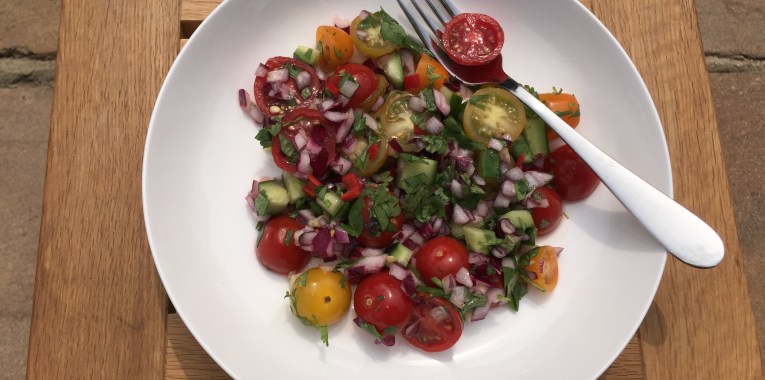
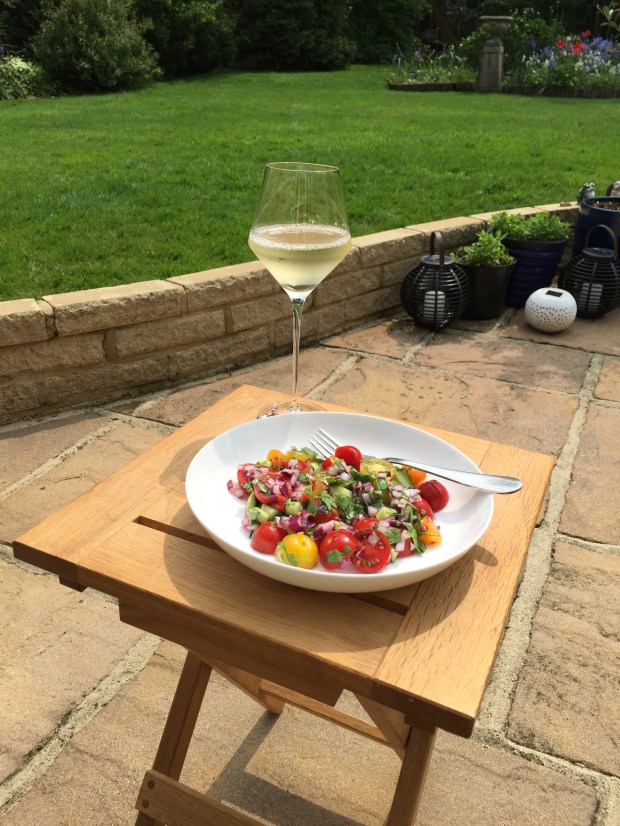
Despite all this, Chad possesses a rich cultural heritage and the cuisine offers a variety of grains, vegetables, fruits and meats. Fish is abundant in northern Chad, including tilapia, perch, eel, carp and catfish. Some of the recipes I came across during my research include Jarret de Boeuf (slow cooked beef and vegetable stew), Broiled Fish (A recipe from the villages along the Chari River) , Kisser (sourdough crepe) , Fangasou (fried doughnuts made of millet or wheat flour) and Maharagwe (beans in coconut milk). I decided to make Kachumbari (Chadian Tomato & Onion Salad) which I enjoyed al fresco in my garden on a rare sunny day in the UK! Unbelievably simple and it tasted so zingy and fresh – I absolutely loved it.

Rating 10/10

Serves 1
Prep time: 10 mins
Cook time: 0 mins

1/4 red onion, thinly sliced (or diced)
8 cherry tomatoes – red & yellow, halved (use ripe ones, ideally that have been on the window shelf for a while)
2 inches of cucumber, middle removed and diced
1/2 red chilli, seeds & placenta removed and sliced
Handful of fresh coriander, chopped
The juice of 1/2 lime

Combine all ingredients in a mixing bowl and toss until well combined and serve immediately.

IMG_9158
Ingredients for Kachumbari (Chadian tomato and onion salad)


IMG_9170
Kachumbari (Chadian tomato and onion salad)

IMG_9161
Kachumbari (Chadian tomato and onion salad)
chad sahara
Chad Sahara